HokkaVia · Guide 11
Hokkaido Winter Driving: Safety, Routes & Private Drivers
Driving in Hokkaido in winter needs a different decision from a summer road trip. This guide helps you judge your experience, route and timetable, understand winter tyres and 4WD, and compare a rental car with trains, resort buses and a local private driver.
Updated 19 October 2026
Request a winter travel quote ↗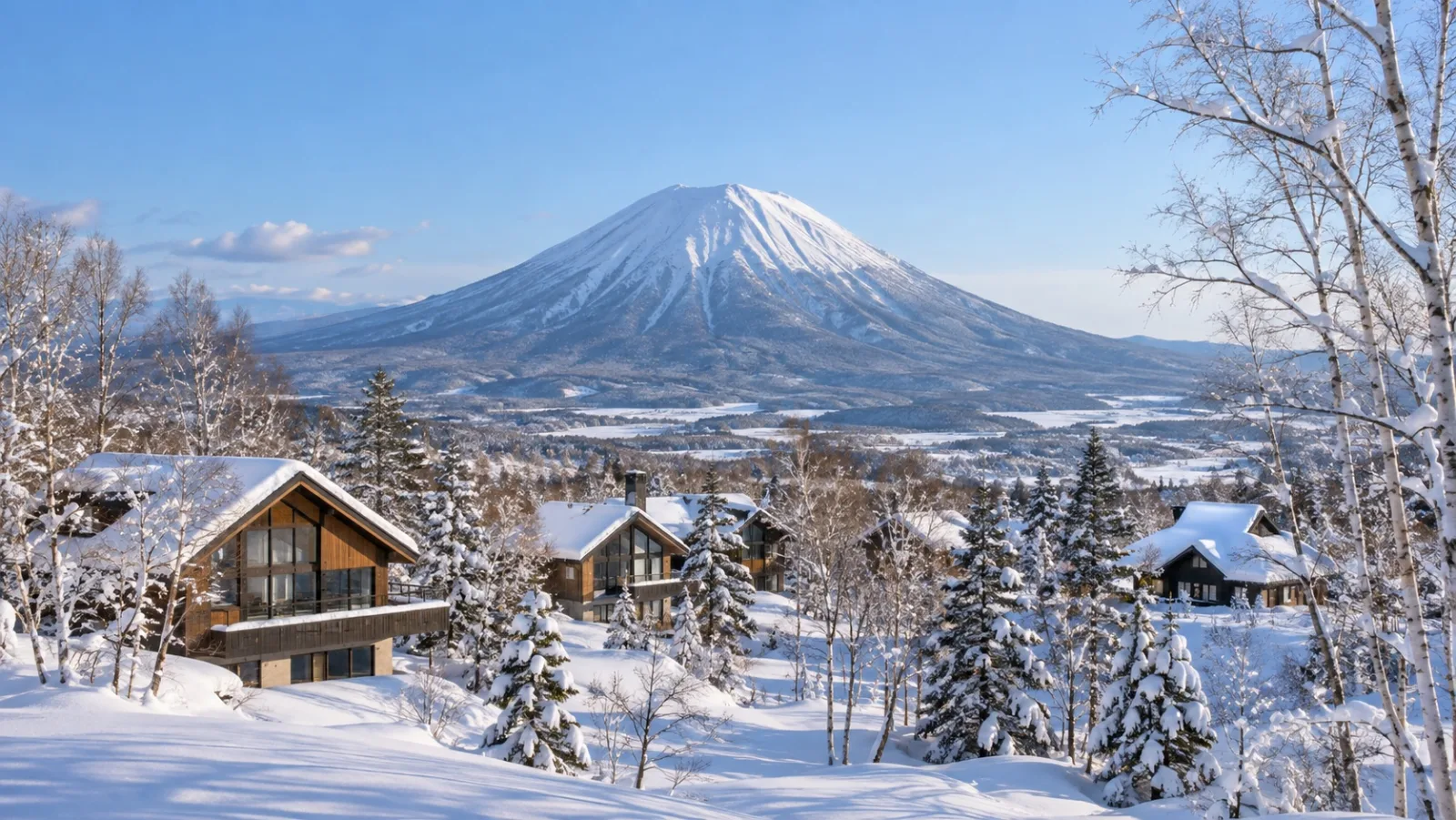
HokkaVia · Planning guide
The short answer
If snow and ice are new to you, avoid making a demanding Hokkaido road trip your first winter-driving experience. A Sapporo city base can work with rail and local transport; a scheduled resort bus or private transfer may suit a ski stay. Experienced winter drivers still need suitable tyres, route-specific information and permission to change the plan. A private driver takes over the driving and local coordination, but cannot override road closures or severe weather.
Should you drive in Hokkaido in winter?
Ask two questions before hiring a rental car: have you driven on snow and ice before, and does your holiday still work if a road journey is postponed? A visitor experienced with winter roads and a flexible local route faces a different decision from someone learning in a rented vehicle before a fixed flight or ski lesson.
For a first winter visit without that experience, consider a Sapporo base, rail for suitable city connections and a scheduled bus or private transfer for the resort. You can still enjoy a varied holiday without driving every day. A train ticket, however, does not solve the final journey from a station to a remote chalet; map that connection before deciding.
| Your situation | Transport to investigate first | Check before committing |
|---|---|---|
| First snow-and-ice driving experience | Rail, suitable scheduled bus or private driver | Last-mile connection and the ability to change the day |
| Central Sapporo with an Otaru town walk | Rail and local transport | Current services and slippery walking surfaces |
| Niseko hotel with ski bags and children | Resort bus or private transfer | Exact hotel access, luggage rules and restraints |
| Experienced winter driver with a flexible rural route | Properly equipped rental or private driver | Tyres, live restrictions, assistance and a smaller fallback itinerary |
| Long remote drive before a fixed flight | Reassess overnight location and the route | Avoid depending on an optimistic road time |
A private driver is useful when you want someone else to handle navigation, parking and the day’s road decisions, especially with children, grandparents or long ski bags. It is a transport service, and weather remains a shared constraint. Ask how the operator handles a closure or an unsuitable final approach, rather than selecting a company because it promises to go in any conditions.
We can assess a winter private-car itinerary with your full hotel addresses and priorities. Tell us if the final part is a steep driveway or isolated accommodation, and if an evening flight or early lesson is fixed. Those details affect the route more than a list of sightseeing names. An enquiry starts planning; it does not reserve a car until the arrangement is confirmed.
HokkaVia
Plan your winter journey with HokkaVia
Share your dates, overnight locations, passengers and luggage. Tell us the stops that matter most so we can assess a realistic route and suitable vehicle. Availability and inclusions are confirmed in writing.
Self-drive, private driver, train or resort bus?
Match the transport to the particular day. An airport transfer, a day of sightseeing and several nights in a ski resort solve different problems.
| Option | Good fit | What you still need to manage |
|---|---|---|
| Self-drive rental | Experienced snow driver; flexible rural itinerary | Documents, winter equipment, parking, navigation, insurance and weather decisions |
| Private driver | Hotel-to-hotel travel, family luggage, several agreed stops | Correct vehicle, service hours, written inclusions and a weather fallback |
| Train | Station-based city stays and straightforward rail journeys | Hotel connections, luggage and disruption notices |
| Scheduled resort bus | Airport or city to a served resort stop | Operating dates, reservation, baggage rules and final hotel connection |
A private vehicle reduces the work of driving and finding parking, but it uses the same road network as other vehicles. Trains and buses can also be delayed or suspended. Compare the full door-to-door journey, not just the time printed between two stations or the driving estimate on a map. For a broader, year-round comparison, read Hokkaido self-drive vs private driver.
Black ice, packed snow and whiteouts are different problems
Grip and visibility are separate issues. Black ice can be difficult to see, while compacted snow changes the way a car responds. Blowing snow can hide the road edge even when the vehicle has suitable tyres. A blue sky at your hotel is not evidence that a bridge, open stretch or mountain approach farther away is clear.
Hokkaido Police’s winter-road guidance stresses slower travel, more separation and avoiding abrupt inputs. Treat those principles as a reason to make the holiday schedule less demanding. They are not a formula that makes any icy journey safe, and a travel article is not a replacement for practical winter-driving experience.
If you are choosing transport, the useful question is what happens when conditions get worse. Can you cancel the optional viewpoint, take a city day instead or stay another night? If every stop is prepaid and the return flight is just hours away, the itinerary has little room for a weather decision.
Do not plan a snow chase with roadside photo stops wherever the view is attractive. Use permitted parking and viewpoints, keep clear of working vehicles and respect closures. A driver may need to skip a stop even when it was on the original wish list. The ability to accept that change is part of a workable winter holiday.
November to spring: plan by conditions, not the calendar
Do not use a fixed date as a promise that winter driving has started or ended. Conditions depend on elevation, region, time of day and recent weather. An autumn or spring trip can still include a winter-like stretch in the mountains. Ask about equipment for your actual dates and route, particularly when the booking sits outside the main ski season.
December and January itineraries need particular attention to usable daylight. Check the sunset for your destination and travel date; do not build a countryside day around summer opening hours or summer photographs. Moving a scenic stop into daylight may mean removing another destination rather than starting an already tired family very early.
For February snow events or a March ski holiday, the same planning principle applies: seasonal appeal does not guarantee good driving conditions. Confirm event or activity dates separately from road access. Keep one alternative indoor or nearby day available, and avoid making every booking dependent on a precise arrival time.
Winter tyres, 4WD and rental-car questions
Ask the rental company to confirm suitable winter tyres on the actual car for your dates, particularly around the start and end of the season. Ask about tyre condition and the vehicle controls, not just whether a web page says “winter equipment.” Four-wheel drive can assist movement in some conditions; it does not remove the need for grip when slowing or solve poor visibility.
Before leaving the depot, have the supplier show you the demister, lights and any controls unfamiliar to you. Confirm the snow brush, scraper, assistance contact and the procedure if the car becomes stranded or damaged. If the route includes an isolated property, discuss the approach with the accommodation as well as the rental company.
JAF’s snow-and-ice guidance advises checking the rental equipment, allowing more travel time and avoiding unsuitable minor roads. Use its official material for preparation. Do not treat a navigation app’s fastest route as a judgement about winter suitability, particularly when it suggests a narrow rural shortcut.
Equipment and experience work together. If you are not comfortable deciding whether the conditions are within your ability, hiring a larger or more expensive vehicle is not the solution by itself. Reconsider the route or arrange suitable transport before the trip becomes a roadside decision.
Driving documents, rental cover and responsibility
Check eligibility before paying for a self-drive rental. Requirements depend on the country or region that issued your licence. Japan recognises qualifying 1949 Geneva Convention international driving permits; some licences, including Taiwan-issued licences, use a recognised Japanese translation route instead. Do not assume that any document marketed online as an international licence is sufficient. Check JAF’s licence guidance and the rental company’s requirements for your circumstances.
Ask the rental company to explain the excess, collision cover, non-operation charges, roadside assistance and any exclusions. Confirm what to do after even a minor incident, and whether every intended driver is registered. “Insurance included” is not a useful comparison unless you know what it covers and what you could still pay.
For a car with a driver, ask who operates the journey, how the vehicle is arranged and what the service includes. Driving support and sightseeing guidance are not identical services. Request the communication language you need and have its availability confirmed; the language of a website is not a guarantee of the driver’s language.
Choose transport route by route
New Chitose Airport to Sapporo: Start with your hotel location and arrival time. Rail may be convenient for a light-luggage stay near a station. A private transfer can simplify the final hotel connection with children or multiple suitcases. Collecting a rental after a tiring flight adds paperwork and unfamiliar controls before the drive. Compare the options in our airport-to-Sapporo guide.
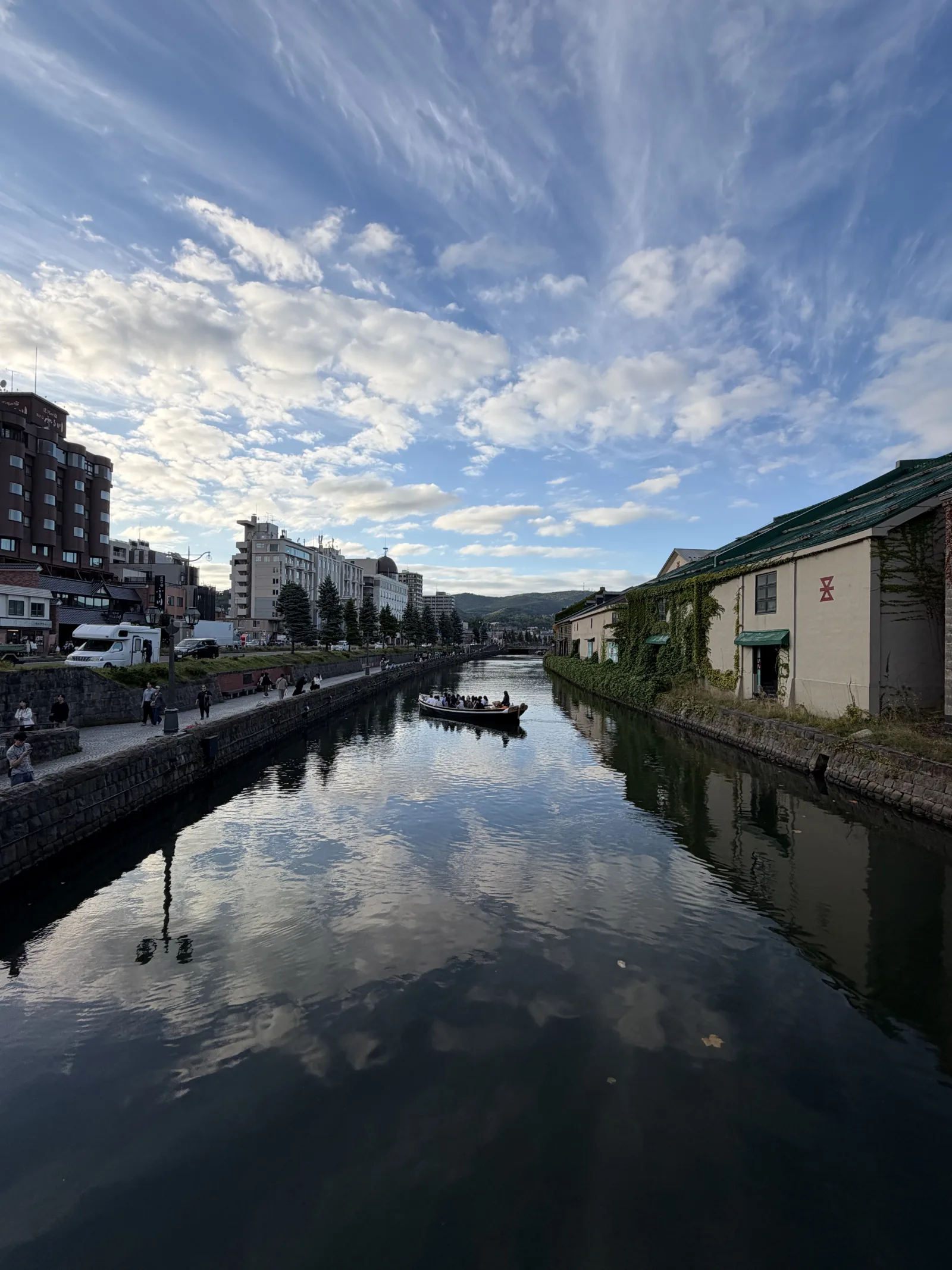
Sapporo to Otaru: A station-based visit focused on the canal and town centre may not require a car. A private day trip becomes more useful when combining several locations or when a traveller needs shorter outdoor walks. Agree on the winter-accessible stops in advance; a viewpoint is not automatically open or worthwhile in poor visibility. See Otaru trip ideas.
New Chitose Airport or Sapporo to Niseko: Provide the resort base and full hotel or chalet address. Hirafu, Niseko Village, Annupuri and Hanazono are not interchangeable drop-off points. Ski bags and bus-stop connections can change the best choice. Read New Chitose Airport to Niseko and Sapporo to Niseko before choosing a service.
Furano and Biei: Treat scattered countryside stops as a dedicated day or overnight stay. Do not squeeze them between an airport arrival and an evening commitment elsewhere. Winter scenery is a different experience from the summer flower fields; agree on permitted stopping places and weather alternatives. Start with our Furano–Biei guide.
Build a winter timetable that can survive a delay
Use a door-to-door time budget. Loading bags, finding the pickup point, clearing the vehicle, a comfort stop and the final driveway all belong in it. Then add an uncommitted block that can absorb ordinary delays. Severe weather can require a much bigger change than a buffer, so avoid suggesting that an extra thirty minutes guarantees an airport arrival.
Work backwards from the real deadline
For a flight, start with the airline’s required arrival time at the terminal. For a lesson, start with equipment collection and the meeting time, not the moment skiing begins. Ask the transport operator for a date- and address-specific assessment. An advertised summer road time is not a winter promise.
As an illustrative calculation, a ten-hour sightseeing booking that uses six hours for driving and local transfers, one hour for loading and breaks, and one hour for lunch leaves two hours for visits. Four separate ninety-minute attractions cannot fit in that remaining time. Reduce the attractions before trying to recover the shortfall on the road.
Choose which part can move
A flexible dinner can move more easily than a final flight. An Otaru outing can sometimes swap with a Sapporo city day. A remote hotel transfer may need a different overnight plan if conditions deteriorate. Agree on the flexible element while booking, and check amendment costs before travel.
Keep substantial rural driving in daylight where practical and check the daylight for the actual place and date. A universal “finish by” time is not appropriate for every winter week or route. If your flight lands after dark, discuss a direct transfer or nearby first night rather than adding evening sightseeing to an already demanding arrival.
What a local private driver adds—and what to confirm
The strongest reason to book a private driver is the work you hand over: driving, navigation, arranging practical pick-up points and adapting the agreed route. Everyone in the family can remain a passenger. On a day with bags, several accommodation addresses or children who need breaks, this can matter more than adding another sightseeing stop.
Ask about experience on your intended winter route, vehicle preparation, communication and how route changes are decided. Confirm whether the driver stays with the vehicle at attractions, whether entrance fees or a separate guide are included, and the start and end of the paid service period. A private tour is not automatically an unlimited-hours booking.
No driver can promise that a closed road will reopen in time for your booking. A good plan therefore gives the operator permission to discuss a shorter route or changed departure when conditions require it. Describe your priorities—such as reaching the hotel, attending one activity or keeping outdoor walks short—so changes protect the part of the trip that matters most.
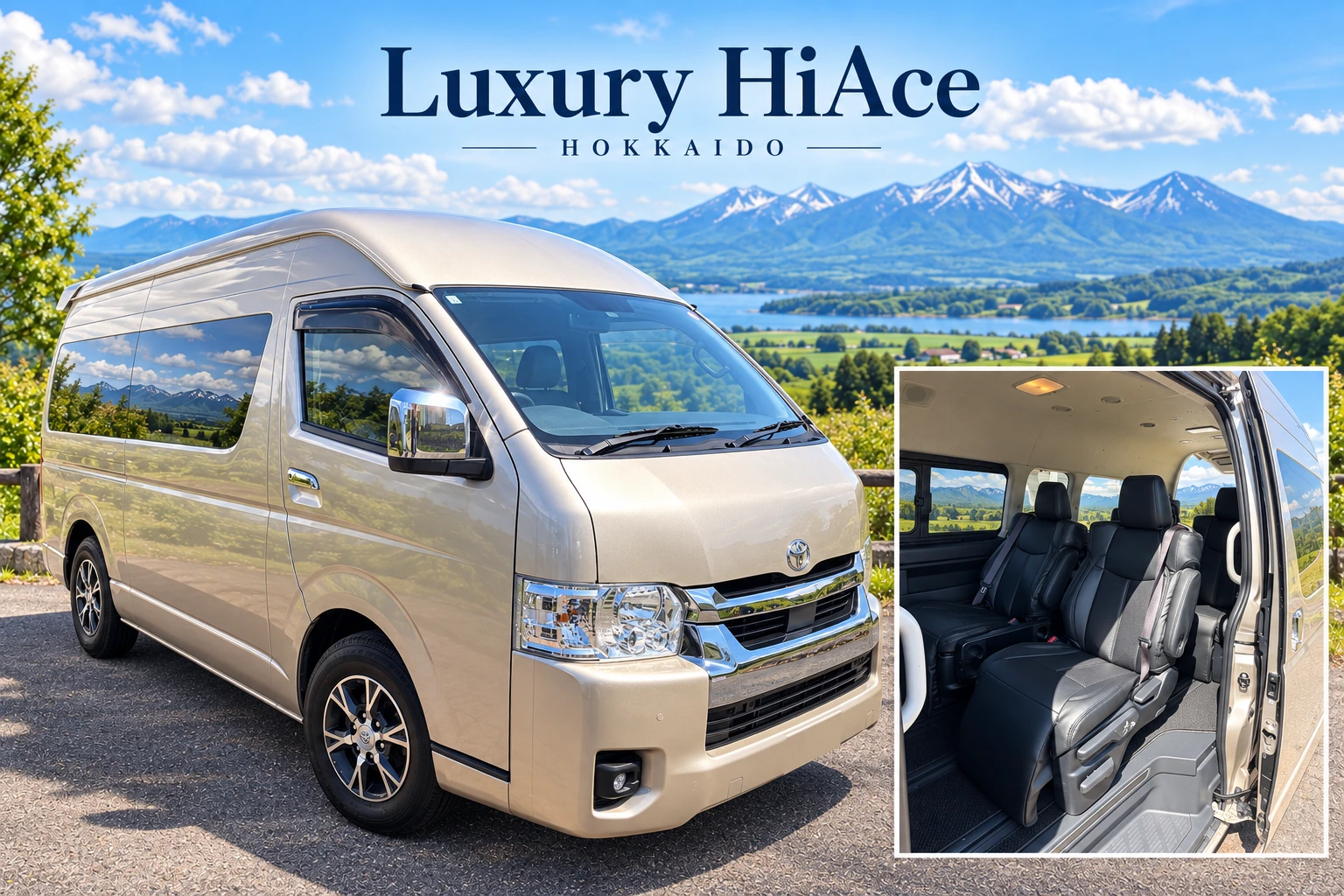
Alphard or Luxury HiAce for a winter trip?
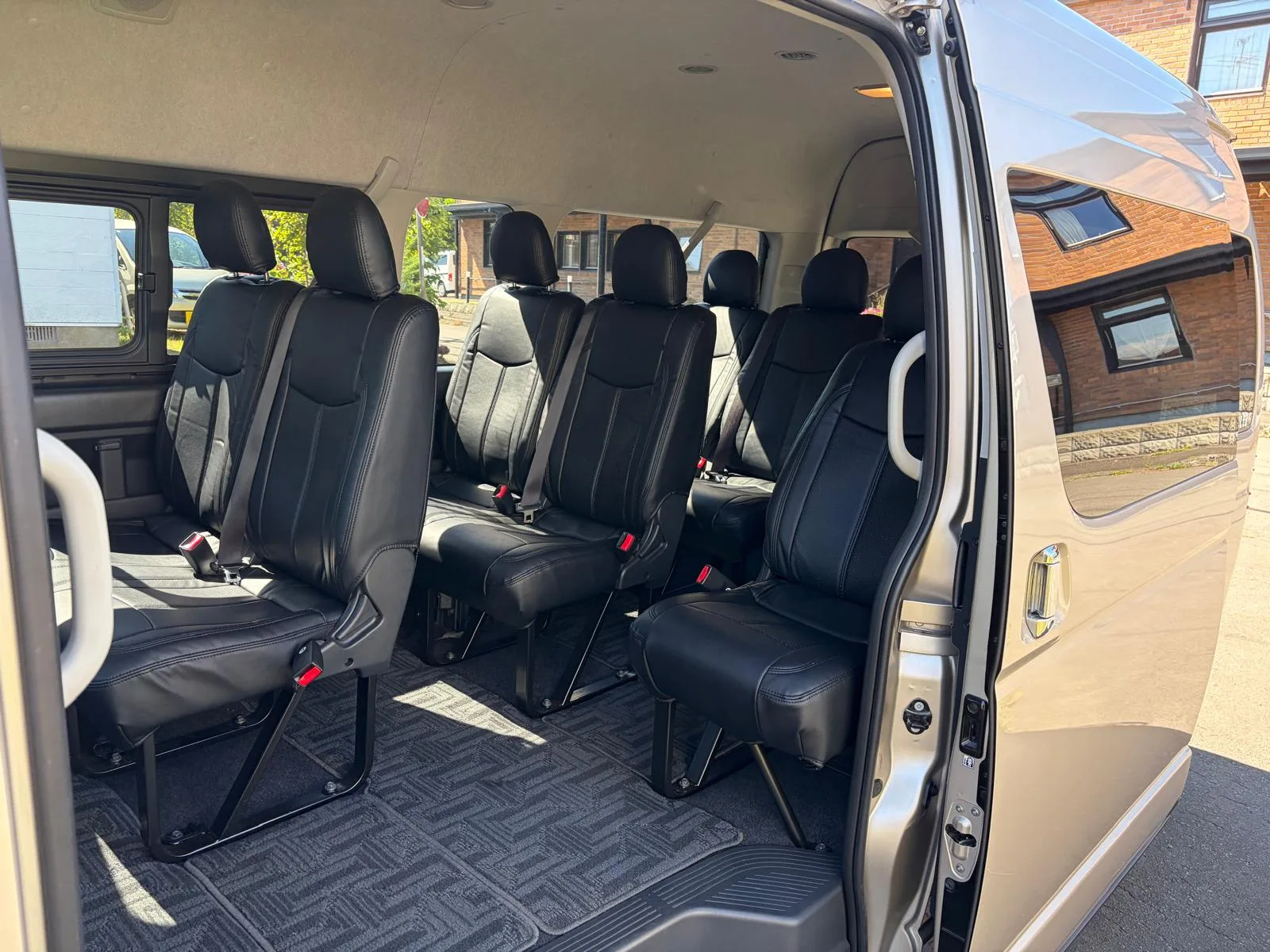
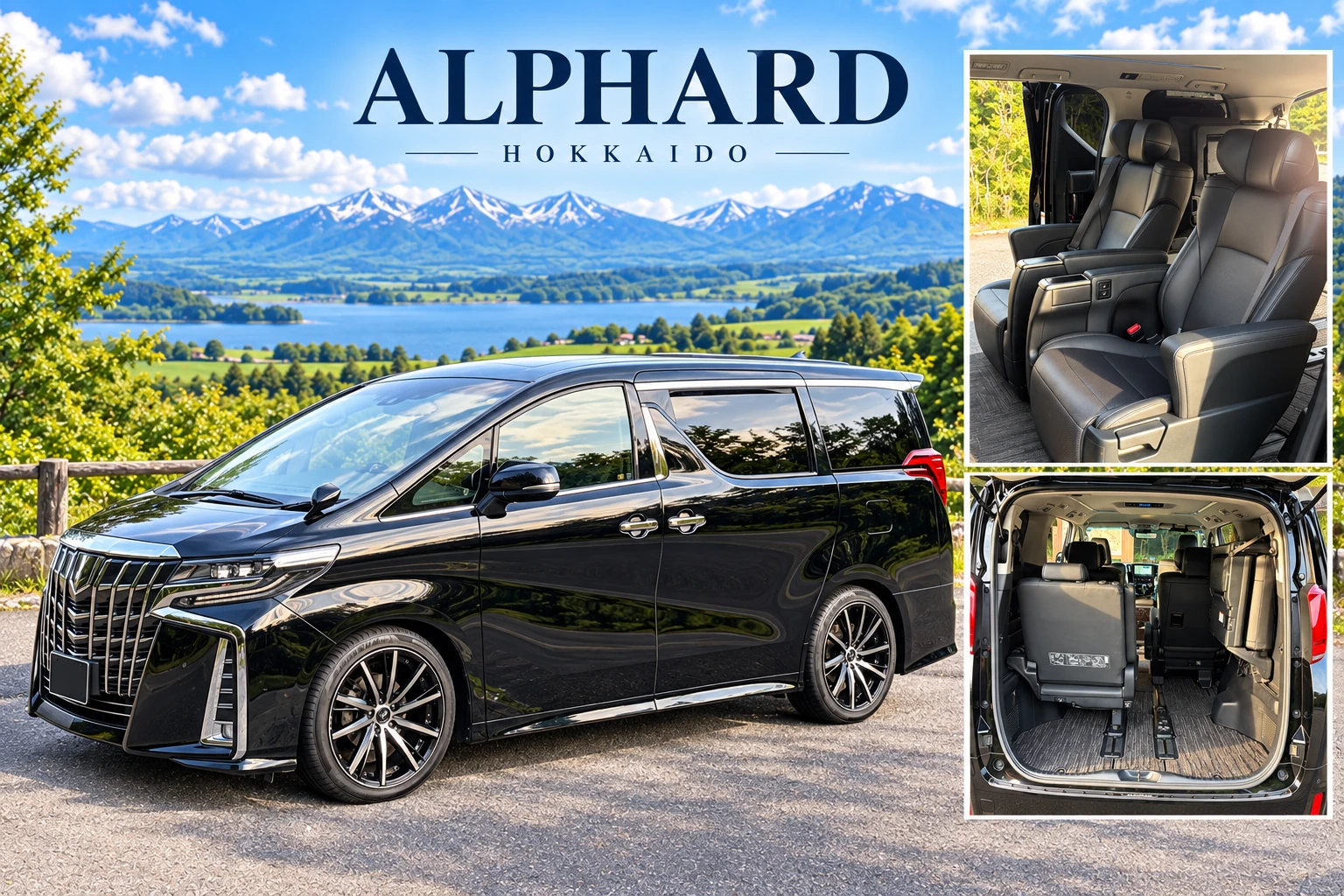
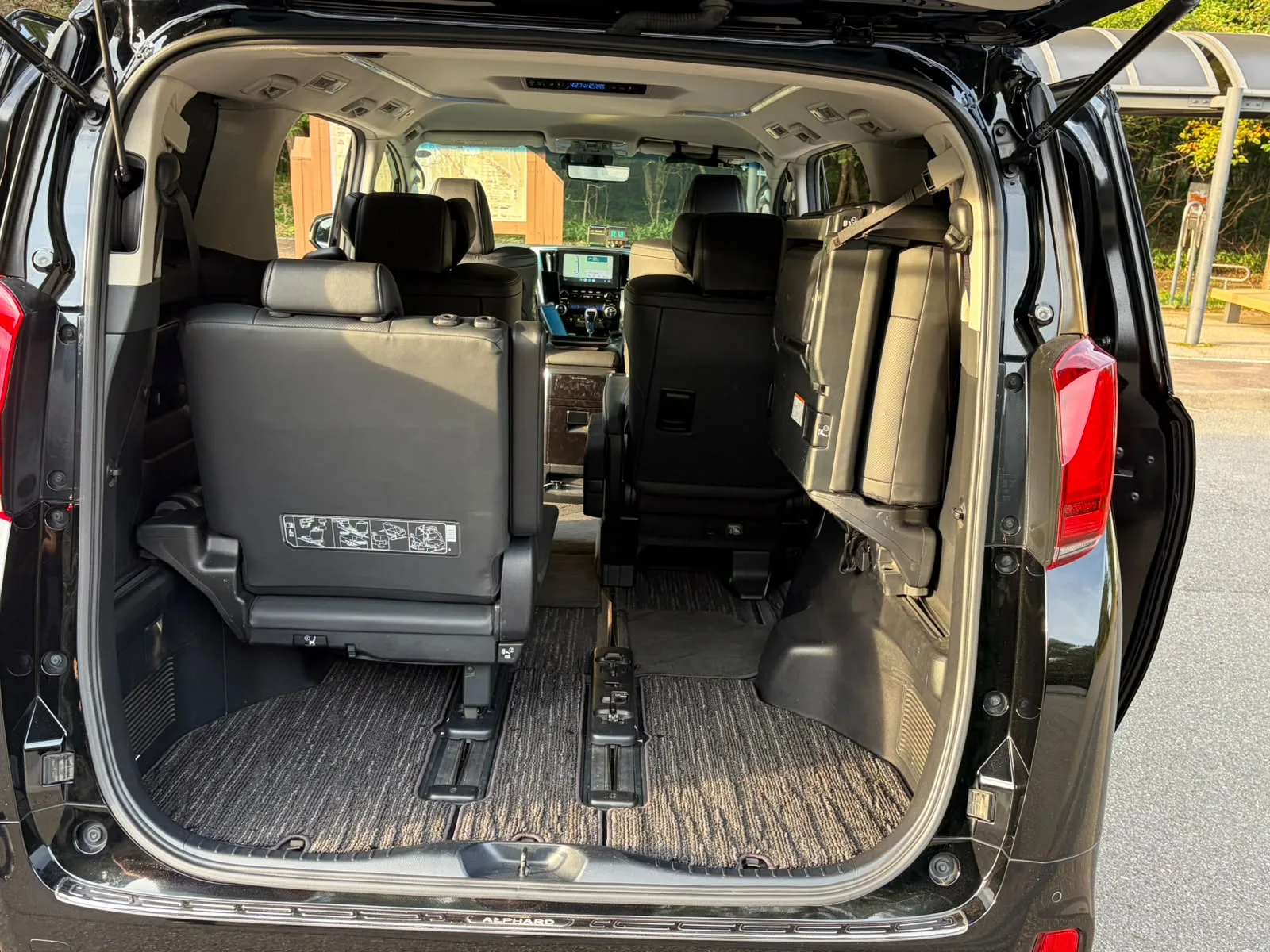
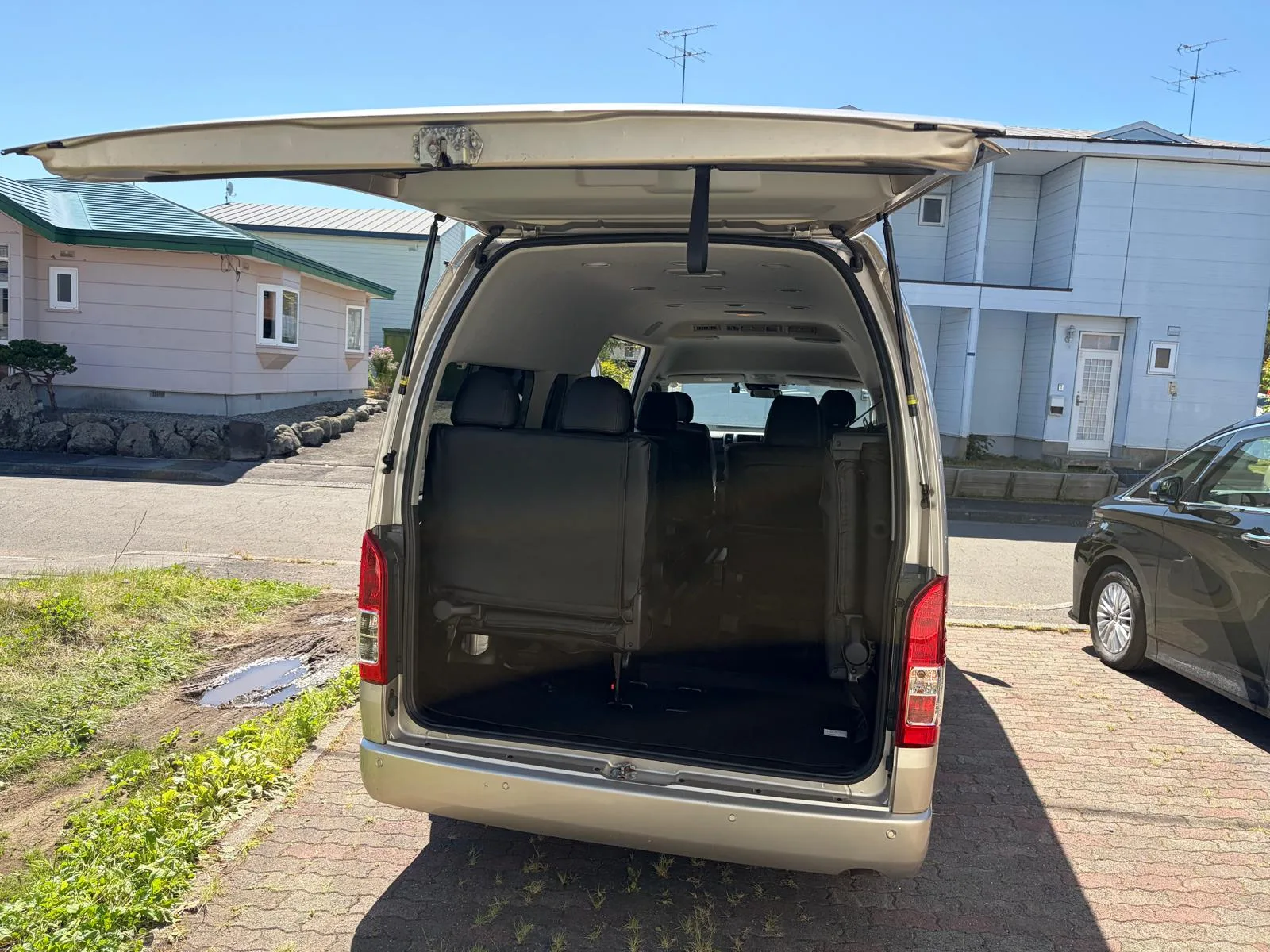
Choose the vehicle using passengers and luggage together. Winter coats, child seats, ski equipment and large suitcases quickly change the usable space. Send a bag count and approximate dimensions, not just “four people.” Mention whether ski equipment is rented at the resort or travelling with you.
An Alphard may suit a smaller party wanting a comfortable private journey. A Luxury HiAce can be worth considering for a larger family or more luggage, subject to the seating and cargo layout offered. Neither name alone confirms that a particular combination of skis, cases and child seats will fit. Check our vehicle information and request written confirmation for your group.
Keep essential medication, warm layers and a small bag for the journey accessible rather than underneath the main luggage. If someone uses a mobility aid, explain its size and whether it folds. Winter pick-up planning should include the short walk to the vehicle as well as the seat inside it. For more detail, see our Hokkaido family trip guide.
Winter transport costs: rental, rail and a private driver
Compare the same journey. A rental quote may exclude fuel, tolls, parking, equipment, additional cover and a one-way return fee. A train fare may leave a final taxi or shuttle still to pay. A private transfer is different from a ten-hour sightseeing charter with stops. Asking for a “winter car price” without the route makes those products hard to compare.
For sightseeing with pickup and return in Sapporo, HokkaVia currently publishes the following December–March vehicle rates for up to ten hours from pickup. These route areas are alternative day plans. Availability, conditions and the written itinerary determine the final arrangement.
| Separate December–March day area | Alphard per vehicle | HiAce per vehicle |
|---|---|---|
| Sapporo / Jozankei | From ¥55,000 | From ¥60,000 |
| Otaru / Yoichi | From ¥60,000 | From ¥65,000 |
| Biei–Furano area | From ¥70,000 | From ¥85,000 |
The agreed sightseeing vehicle rate includes a driver, fuel, tolls and parking. Guest meals, admissions and hotels are separate. Overtime is published at ¥5,000 per thirty minutes; request a realistic service period before confirming an evening mountain or illumination visit. A long countryside circuit should not be compared with the shortest Sapporo city day.
An overnight itinerary is priced day by day and can require driver accommodation, published from ¥15,000 per night depending on the location and availability. Confirm weather amendments, cancellation and payment with the quote. The price page sets out current starting figures and terms; a winter reservation does not mean that road closures can be ignored.
For a ski holiday, compare a direct airport-to-Niseko transfer or Sapporo-to-Niseko transfer separately. Those route services have their own pricing and hours. A mixed plan—city transport in Sapporo, then one private hotel transfer—may fit the holiday better than keeping a rental for every night.
Weather, closures and what to do when the plan changes
Before travel, save the official Hokkaido road-information gateway, weather resources and your operator’s contact details. Check live information again near departure. A saved forecast and a map route drawn yesterday cannot confirm that the road is open now.
Agree on a smaller plan before you need it
Your fallback can be a later departure, a shorter nearby outing or a change of overnight location. Identify who will contact the hotel, restaurant or activity operator. A private driver may help with transport coordination, but cannot automatically cancel third-party reservations without their terms applying.
If a road closes, do not substitute an unfamiliar minor route merely because a map app offers one. Ask the transport operator or rental company about the official restriction and safe alternatives. Sometimes the practical answer is to stop sightseeing or stay put. Discussing that possibility beforehand makes a difficult decision less rushed.
Save assistance information before setting off
Know the rental or transport company’s instructions for an incident and the contact for roadside help. JAF publishes road-service information; eligibility and charges depend on the situation and cover. In an immediate emergency, contact the appropriate emergency services. Follow official instructions, and do not attempt an improvised vehicle recovery as part of a sightseeing plan.
If your family depends on a fixed flight, consider whether moving closer to the airport the night before would reduce the long final-day drive. This is a planning choice to evaluate against the forecast, hotel cost and available transport, rather than a guarantee against disruption.
A flexible winter itinerary: two planning examples
City base plus one private day: Arrive at New Chitose and travel to a Sapporo hotel. Keep the next day local, using suitable city transport. Give Otaru its own day, choosing rail for a town-centre visit or a private car for an agreed wider route. Leave a spare city day that can swap with the Otaru day if weather or activity availability changes. This avoids paying for an idle rental while staying central.
Sapporo and Niseko with luggage: Spend the first part of the trip in Sapporo, then book a specific hotel-to-hotel transfer to your Niseko base. Keep transfer day separate from a fixed early ski lesson. Use the resort’s confirmed local transport where it fits, and plan the return airport journey around the flight rather than an extra attraction. A night nearer the airport is an option for an early departure.
These are planning examples, not guaranteed packages or operating schedules. A Furano–Biei winter trip needs its own geographic plan rather than being added to either example as a quick detour. Share your overnight locations when requesting a tailored itinerary.
What to send when asking for a winter driver quote
A useful enquiry lets the operator assess both the route and the vehicle. Send the following together:
- Travel dates, flight details and any fixed departure deadline.
- Full hotel or chalet names and addresses for each pick-up and drop-off.
- Adults, children’s ages and requested child seats.
- Suitcase count and sizes, ski bags, stroller and mobility equipment.
- Essential destinations, optional stops and preferred pace.
- Required communication language, planned service hours and overnight locations.
- Questions about inclusions, changes, cancellation and severe-weather arrangements.
Tell us whether you want a one-way transfer or a sightseeing charter. HokkaVia can assess the request and propose a suitable arrangement; availability and the final service are confirmed in the written quote. An enquiry does not itself reserve a vehicle. Use the enquiry form for a multi-stop winter journey, or visit the relevant Niseko or Sapporo page for transfer planning.
Before booking a Hokkaido winter journey
- Route: list the complete accommodation addresses, including the final chalet or driveway.
- Experience: decide honestly whether you can handle winter roads in an unfamiliar vehicle; choose rail, a bus or a private car where that is a better fit.
- Equipment: confirm tyres, restraints, bag capacity and the actual vehicle arrangements.
- Time: include loading and breaks, then protect the flight or activity deadline.
- Change plan: agree which stop can be removed and how weather amendments are handled.
- Contacts: save the operator, accommodation and assistance details somewhere available during travel.
For a private car, also confirm the distinction between a driver and a guide. HokkaVia offers English planning support; a driver’s everyday English and translation tools are different from continuous specialist guiding inside attractions. Explain the level of language support you need so the arrangement can be confirmed before payment.
Send us the journey as a whole rather than asking about one attractive section in isolation. A flexible town outing and a remote transfer before an early flight should not receive the same recommendation. We will assess a suitable private vehicle and a practical route for the date, with service conditions confirmed in writing.
Hokkaido winter travel: frequently asked questions
Is it safe to drive in Hokkaido in winter?
It depends on experience, equipment, route and the conditions on the day. If you have not driven on snow and ice, consider rail, a suitable scheduled bus or a private driver. No transport choice guarantees uninterrupted travel in severe weather.
Do I need 4WD for a Hokkaido winter trip?
Do not make the decision on drivetrain alone. Confirm winter tyres and the actual vehicle with the rental supplier. Four-wheel drive can help in some situations but does not remove icy braking or visibility problems.
Are winter tyres automatically included with a rental car?
Ask the rental company to confirm them for your exact dates and vehicle. Do not rely on a general seasonal assumption, especially around the beginning or end of winter.
Can I visit Sapporo and Otaru without renting a car?
A station-based city trip may work well with rail and local connections. Check current services and the walking distance to your hotel and attractions. A private vehicle can help when several stops or reduced walking matter.
Is a private transfer useful for Niseko ski luggage?
It can simplify the hotel connection, but the vehicle must fit the group and equipment. Send the exact resort address, ski-bag dimensions, suitcase count and child-seat needs before booking.
How much extra driving time should I allow in winter?
There is no reliable universal allowance. Obtain a route-specific assessment near departure and include loading, breaks and airport check-in requirements. Reconsider long final-day journeys before an early flight.
Will a private driver still travel when roads are closed?
A private booking does not override closures or make unsafe conditions acceptable. Discuss postponement, a shorter route and cancellation or amendment conditions in advance.
Is a private driver also a tour guide?
Not necessarily. Confirm whether the service includes attraction guiding, the communication language, admission costs and waiting time. Do not infer these from the word private.
Can I combine trains with a private car?
Yes. A practical plan may use rail around a city base and a private car for a rural day or a hotel transfer with luggage. Ask for a quote for the specific legs you need.
What details make a winter quote accurate?
Dates, flight times, full accommodation addresses, passengers, child ages, bag sizes, essential stops and service hours. Ask for written inclusions and weather-change terms.
Planning sources and date
Reviewed by the HokkaVia planning team. Updated 19 October 2026. Timetables, fees and operating conditions can change; use the linked operators for your travel date. Itinerary time blocks and shared-car calculations are our planning examples.
Attraction details and road conditions change. The official links below are useful for checking your travel date; route and vehicle availability are confirmed in a written quote.