Private Car Travel / Guide 07
Hokkaido Self Drive: Itineraries, Costs & Private Drivers
Build a road trip that fits your dates, driving experience and the people travelling with you. Compare rental and private-driver costs, use realistic five- and seven-day itinerary examples, and check the practical details before choosing your transport.
Discuss my route and quote
Should you self-drive in Hokkaido or hire a driver?
Self-drive can suit a confident, properly documented driver on a flexible green-season trip. A private driver reduces the driving and luggage workload, especially for a family or a countryside touring day. Use rail where it fits, and compare the difficult parts separately; you do not need the same transport for the whole holiday.
Hokkaido self drive or private driver: the quick decision
A Hokkaido self-drive trip suits someone who enjoys driving, has the correct documents, can manage the chosen vehicle and wants flexibility between countryside stops. A private driver suits a group that would rather spend that time together, with hotel pickup, luggage space and the route agreed in advance. Season, actual road experience and the shape of the holiday matter more than a general claim that one option is always best.
For a stay focused on central Sapporo and a straightforward Otaru visit, you may not need a car every day. For Biei’s scattered countryside attractions, a vehicle is much more useful. For a ski holiday, airport transfers may solve most of your transport needs without a rental sitting parked while you are on the slopes.
| Your situation | Start by comparing | Main question |
|---|---|---|
| Confident driver, flexible green-season rural trip | Self-drive rental | Will everyone, including the driver, enjoy the hours on the road? |
| Family, older relatives or substantial luggage | Private driver or a combination | How many changes, walks and loading tasks can your group manage comfortably? |
| First experience of snowy and icy roads | Rail, a suitable scheduled bus or a private driver | Can you change the plan without having to drive in conditions beyond your experience? |
| Station-based Sapporo and Otaru stay | Rail, subway and short local connections | Does a car add useful access, or mainly parking and collection tasks? |
| Several nights at one ski resort | Airport transfers and occasional local transport | How many days would a rental actually be used? |
HokkaVia arranges private vehicles and drivers, so that is the service we can quote. This guide also explains when keeping your rental days limited, or using public transport, may fit your plans better. For detailed charter rates and booking arrangements, use our Hokkaido private-driver guide.
Plan a Hokkaido road trip around overnight towns
Choose the places where you will sleep before filling every day with attractions. Mark the arrival airport, departure airport, any fixed dinner or activity, and the two or three areas you most want to see. Then decide whether the route forms a manageable loop, or whether returning the vehicle somewhere else would save a repeated drive.
A five-day trip based on Sapporo, Otaru and Furano–Biei is a different project from a journey that also includes Hakodate or eastern Hokkaido. Adding a distant town uses a large part of a day even before sightseeing. An extra hotel change also adds checkout, loading, finding the next entrance and possibly a different parking arrangement.
Count time that a map does not show
Your daily plan needs the road journey plus parking, comfort stops, meals, ticket queues and the visit itself. Add the rental-office procedures on collection and return days. Airport landing time is not the time you can drive away, and an advertised driving estimate does not include a detour to refuel or find your hotel’s garage.
Make one visit optional
Identify the place you most want to enjoy and one stop that can be shortened or dropped. That makes a delayed start or an unexpectedly good lunch manageable. The same approach works with a private driver: an agreed vehicle does not make an overfilled route shorter, but our team can help put your priorities in a practical order.
Check seasonal access and opening dates before paying for accommodation that depends on a particular road or attraction. Do not assume a summer route remains suitable in winter. For countryside details, see the Sapporo–Furano–Biei guide rather than treating every viewpoint as a quick roadside stop.
A five-day Hokkaido self-drive itinerary with a manageable final night
This example suits a first green-season trip through central Hokkaido, with four hotel nights and New Chitose Airport at both ends. It deliberately keeps the final night in the Chitose area rather than making an early flight depend on a long drive from Furano. It is a planning example, not a fixed tour or a promise of year-round access.
| Day | Route and priorities | Overnight | Transport decision |
|---|---|---|---|
| 1 | New Chitose Airport → Sapporo. Keep the arrival day simple. | Sapporo | Consider rail or a private transfer after a long flight; collect the rental later if you do not need it in the city. |
| 2 | Sapporo → Otaru → Sapporo. Canal, Sakaimachi and lunch are a useful core. | Sapporo | Rail works for a simple central visit; a car or driver helps if adding agreed countryside stops. |
| 3 | Sapporo → Biei / Shirogane → Furano. Pick a small number of countryside visits. | Furano | This is a substantial travelling day. Start early enough for the actual route and check-in. |
| 4 | Enjoy one Furano-area morning, then travel towards Chitose. | Chitose area | Decide which attraction matters most rather than filling the morning with distant stops. |
| 5 | Refuel and return the car, or use the agreed airport connection. | Departure | Allow for office procedures and the terminal shuttle as well as airline check-in. |
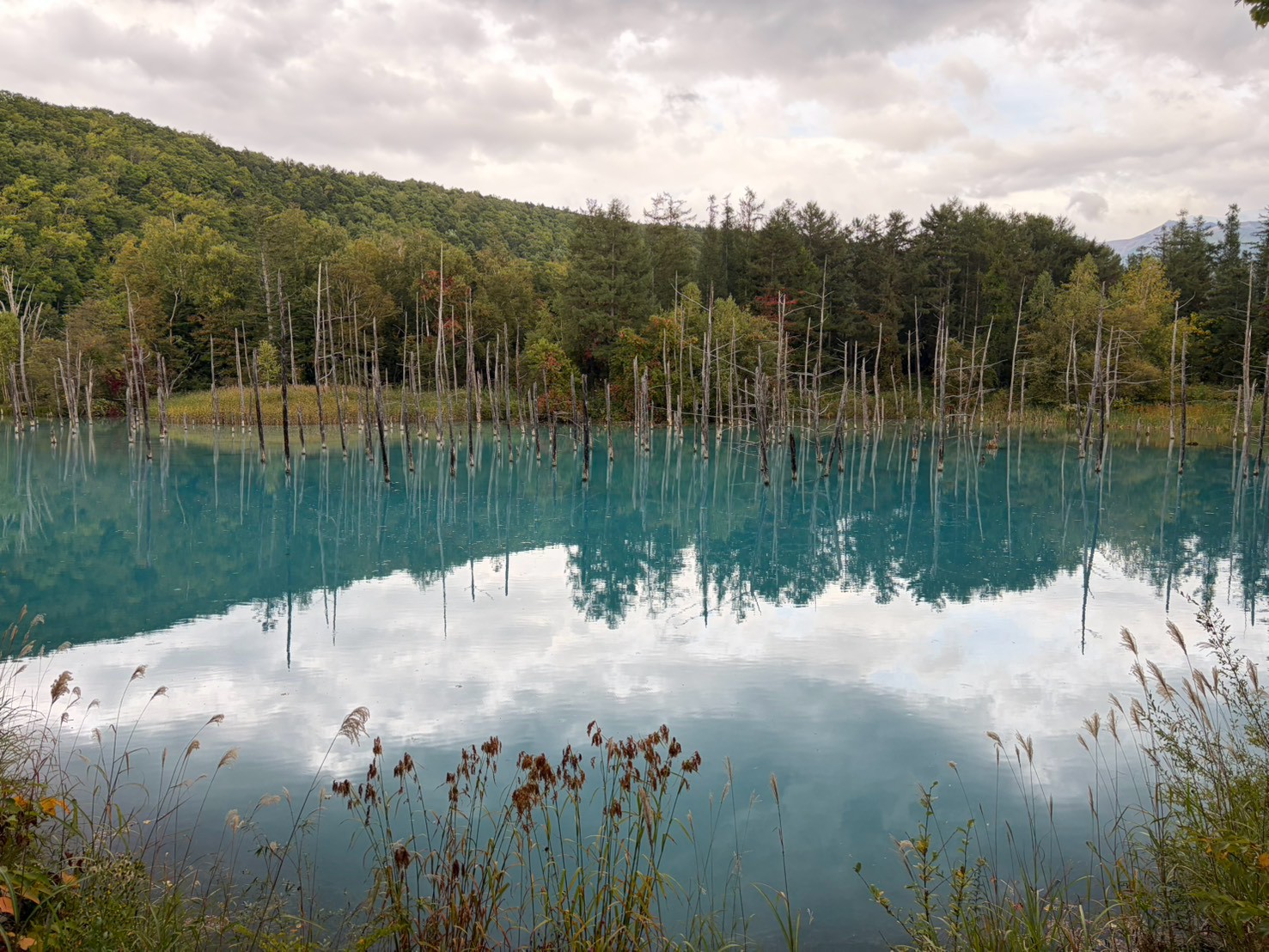
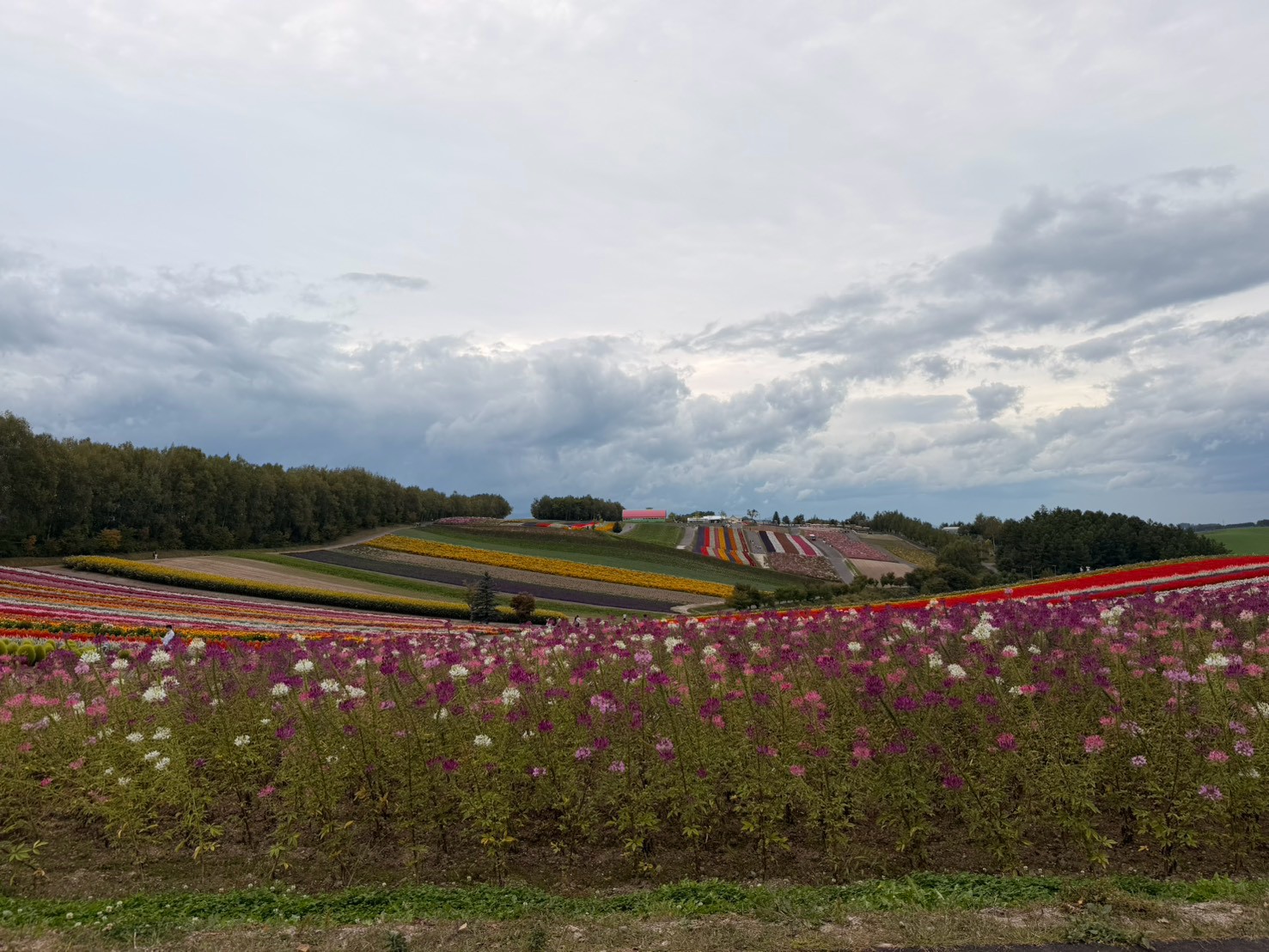
If lavender or flower fields are the main reason for your trip, check the particular garden’s seasonal information and consider adding a Furano night. If your flight arrives late, remove an arrival-day drive instead of trying to preserve every stop. You can ask HokkaVia to quote the countryside section as a private sightseeing transfer while keeping Sapporo days independent.
A seven-day itinerary: add time at the places you came to see
Two extra days do not have to mean two extra regions. A more relaxed central-Hokkaido trip can give Furano–Biei a proper sightseeing day, return to Sapporo without a tight connection and use Lake Shikotsu as a separate final excursion. This avoids turning a short holiday into an island-wide driving challenge.
| Day | Suggested focus | Overnight |
|---|---|---|
| 1 | Arrival and Sapporo, with no essential long drive after the flight. | Sapporo |
| 2 | Otaru day trip, or a slower Sapporo day if arrival was late. | Sapporo |
| 3 | Travel to the Biei–Furano area with limited sightseeing on the way. | Furano / Biei area |
| 4 | A local countryside day, arranged around the season and weather. | Same accommodation |
| 5 | A selected morning visit, then return towards Sapporo. | Sapporo |
| 6 | Lake Shikotsu if conditions and opening arrangements suit, then continue to Chitose. | Chitose area |
| 7 | Car return and airport departure with a practical time buffer. | Departure |
For a private-driver version, request the specific touring and hotel-transfer dates you need. You do not automatically need a charter while exploring central Sapporo on foot. For a self-drive version, compare collecting the rental for only the countryside block with keeping it for all seven days, including hotel parking and any branch-return fees.
Would you rather include Niseko, Lake Toya or Noboribetsu? Substitute a region and review the overnight sequence. Do not add all three on top of this plan. Our model itineraries offer starting ideas, and a quote enquiry can explain your priorities without committing to every stop.
Hokkaido self-drive cost: compare the complete group total
A rental’s daily base price is only one part of the budget. Use the vehicle class you actually need, on your real dates, and add the selected protection products, fuel, expressway tolls, attraction and hotel parking, child seats, an ETC-card rental if applicable and any one-way branch-return fee. Ask which items are already included so you do not count them twice.
For a private driver, compare the same addresses, stops, dates and hours. HokkaVia’s published Sapporo-return day tours include the vehicle, professional driver, fuel, expressway tolls and parking for the agreed route. Guest meals, admissions and accommodation are separate. A longer day, changed route or overnight driver stay changes the calculation.
A worked example, not a rental-market price quote
Suppose your chosen rental is ¥12,000 for the day, selected protection and equipment add ¥2,000, fuel is budgeted at ¥2,500, tolls at ¥3,000 and parking at ¥1,500. That is ¥21,000 for the group, or ¥5,250 each for four adults. Replace every assumption with an actual supplier quote and a route budget.
For comparison, HokkaVia publishes an Alphard countryside day-tour starting price of ¥65,000 in April–November for the listed longer route areas, up to ten hours with Sapporo pickup and return. That is ¥16,250 each for four travellers at that vehicle price, with availability and the actual route still to confirm. A rental can remain substantially cheaper; the driver’s service buys a different level of workload and convenience.
Compare the whole holiday, not just a day rate
Seven rental days with several unused city days can cost differently from three rental days plus rail or transfers. Likewise, one private countryside day does not imply hiring a driver for the full week. Count how many days each service will actually be used and include the time needed to collect and return a vehicle.
Current charter prices are on our JPY rates and conditions page. Transfer journeys have separate route quotes; use their dedicated pages when your requirement is simply airport-to-hotel transport.
Driving documents: check the issuing licence, not just nationality
Japan recognises qualifying international driving permits issued under the 1949 Geneva Convention. Some licences, including Taiwan-issued licences, use the recognised Japanese-translation route instead. An overseas licence by itself, an unofficial online “international licence,” or the wrong permit format should not be assumed sufficient.
Check the current Japan Automobile Federation guidance and your rental company’s document, validity and vehicle-category requirements before paying. Carry the required originals and evidence of entry. Requirements depend on the licence and circumstances, including for visitors travelling from the US, Australia, Singapore, Taiwan, Hong Kong and South Korea.
Check every intended driver before the trip, rather than discovering at the counter that the person who planned to share the driving cannot be registered. Ask about authorised additional drivers and the capacity category needed for the selected vehicle. If documents remain unresolved, plan alternative transport before arrival.
Rental pickup, insurance, ETC and returning the car
Allow for the rental office, not just the airport
Confirm the branch address, opening hours, airport shuttle procedure and late-arrival policy with the chosen supplier. Landing, immigration, baggage collection, finding the shuttle and completing the rental are separate steps. After a tiring overnight flight, an airport transfer and a next-day rental collection may be a more comfortable sequence.
Read the protection terms
Basic insurance, collision-damage excess protection and non-operation-charge protection are different items. Ask what the selected product covers, what remains excluded and what procedure is required if something happens. For a primary-source example of those distinctions, see Toyota Rent a Car’s insurance explanation; another supplier’s terms may differ.
Ask about toll payment before departure
If using expressways, confirm whether an ETC card is supplied, its rental fee and how tolls are settled. Do not enter an ETC-only lane merely because the car has an ETC device: the payment arrangement must be ready. A prepaid pass is not automatically better value for every route; compare its coverage and conditions with your actual itinerary.
Plan the return backwards from your flight
Confirm the required fuel type and refuelling policy, the return branch, inspection procedure and shuttle to the terminal. Keep the last-night location and departure time realistic. A reservation deadline at the rental branch and the airline’s check-in deadline are different commitments, with a journey between them.
Driving in Hokkaido: everyday decisions that shape the trip
Japan drives on the left. The person taking the wheel needs to be comfortable with that road position as well as the vehicle’s size, controls and navigation. Before leaving the rental area, identify the essential controls and confirm the first destination. Choose a simple first section rather than asking a tired driver to handle a long unfamiliar journey immediately.
Use the hotel’s actual vehicle entrance and attraction parking area as your navigation destinations. A map pin in the middle of a property may direct you to the wrong side. Read posted restrictions, use designated parking and plan safe, legal stops; an attractive countryside view is not automatically a place where you can pull over.
Rural roads also belong to residents, farms and other businesses. Stay on public visitor routes and marked paths, and do not enter cultivated fields for photographs. Keep an eye on the next practical fuel and comfort stop before setting off on a long rural section, rather than relying on a last-minute search with poor reception.
Build breaks around the driver as well as passengers. If one person is navigating, parking and driving every day, they experience a different holiday from the rest of the group. That is one reason to shorten a loop, add a non-driving day or request a private driver for a particular section.
Summer, autumn and winter need different plans
Green-season countryside trips
Self-drive can work well when you want a flexible sequence of countryside stops and have time to adjust the plan. Choose attractions by the actual opening season, not a general “summer” label. A garden visit, a short hill walk and a dairy stop may be a more enjoyable day than trying to cross between every well-known photo location.
Autumn: leave room for elevation and daylight
Colour and conditions vary by place and elevation. Keep your accommodation plan workable even if one scenic road is unsuitable. Ask the rental company about equipment for the intended route and dates, especially for mountain areas. A lower-altitude alternative is useful when the original scenery plan depends on good weather.
Winter: snow-road experience is a separate skill
Winter tyres and four-wheel drive do not replace experience on snow and ice. Poor visibility or a road closure can force a shorter itinerary or a change of route. If you have no practical winter-road experience, consider rail, a suitable resort bus or a private driver for that part of the trip.
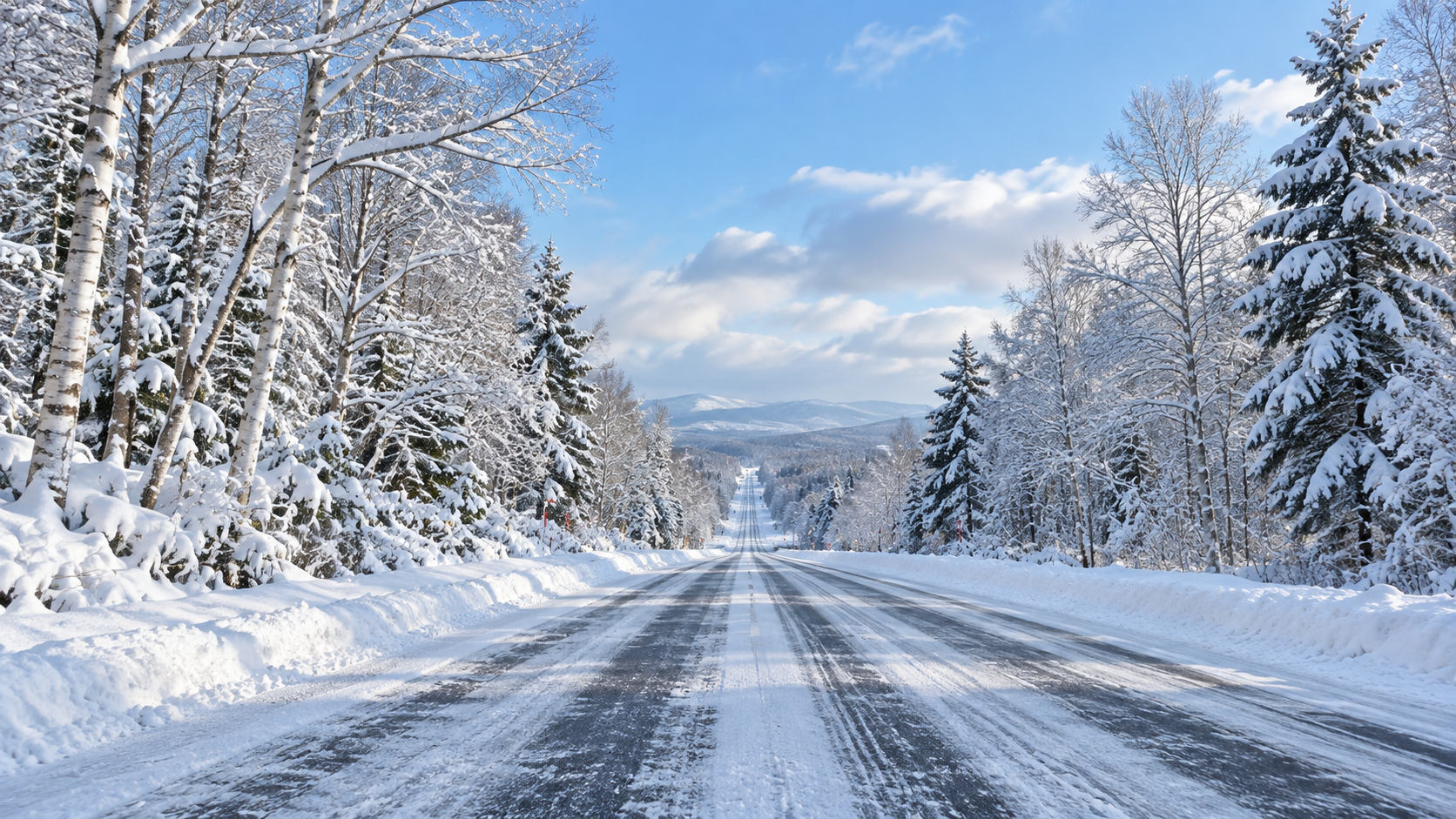
A private car still uses the road network and remains subject to weather. Confirm the important connection first and keep sightseeing optional where necessary. Use the Hokkaido Regional Development Bureau’s current winter-road resources, and read our winter transport decision guide for a fuller discussion.
Family luggage and the real seating arrangement
Compare the car you need, rather than the smallest rental rate on the first search screen. Count large suitcases, cabin bags, a stroller, sports equipment and child seats. Once child seats are fitted and all passenger positions are occupied, the usable bag space may differ greatly from an empty-vehicle photograph.
For HokkaVia, an Alphard normally suits four guests with around four large cases when the third row is folded; up to six guests requires lighter bags and a suitable layout. A HiAce can offer room for a larger group, with the exact configuration confirmed. Send each child’s age, height and weight and the size of any unusual equipment.
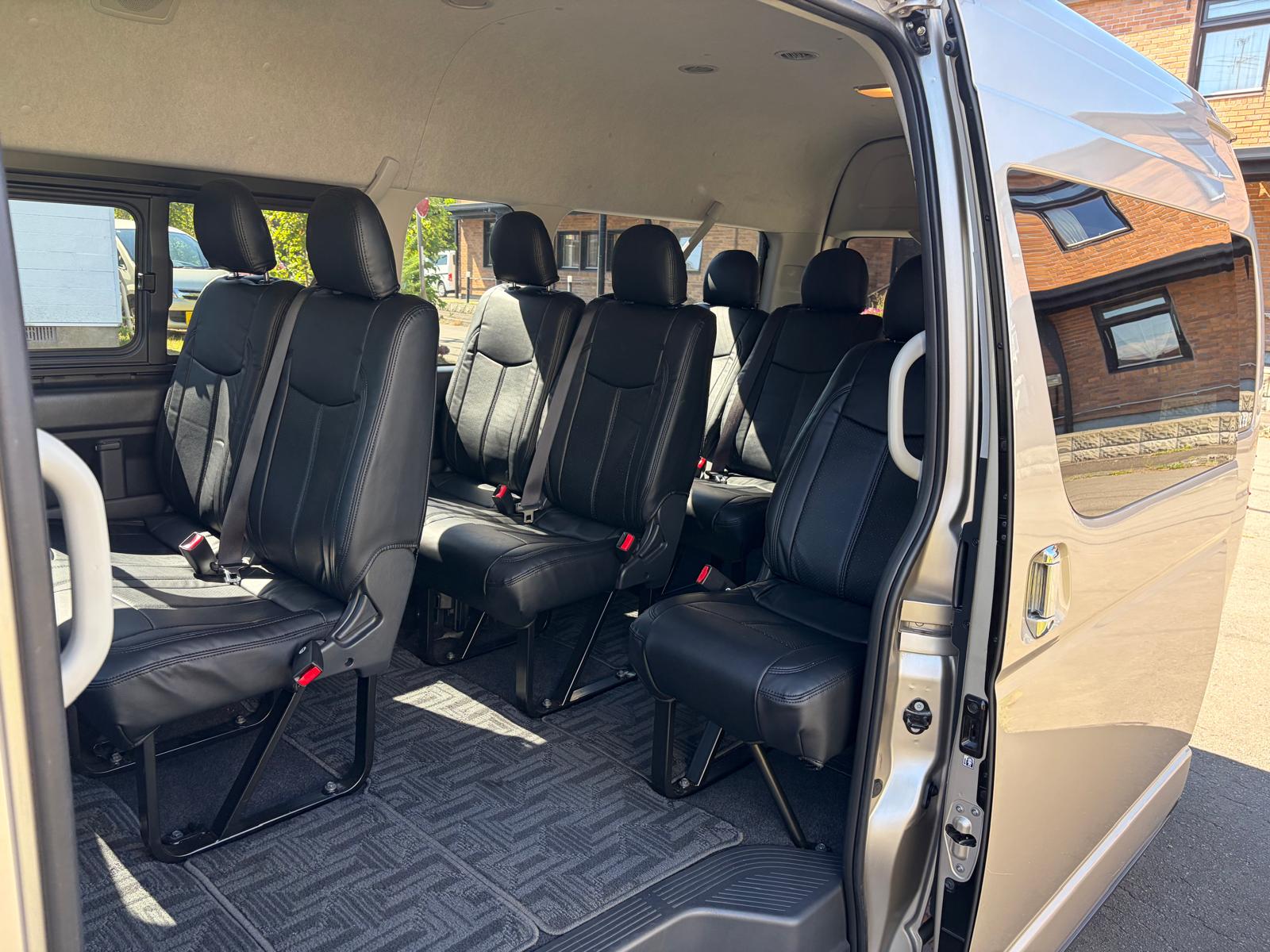
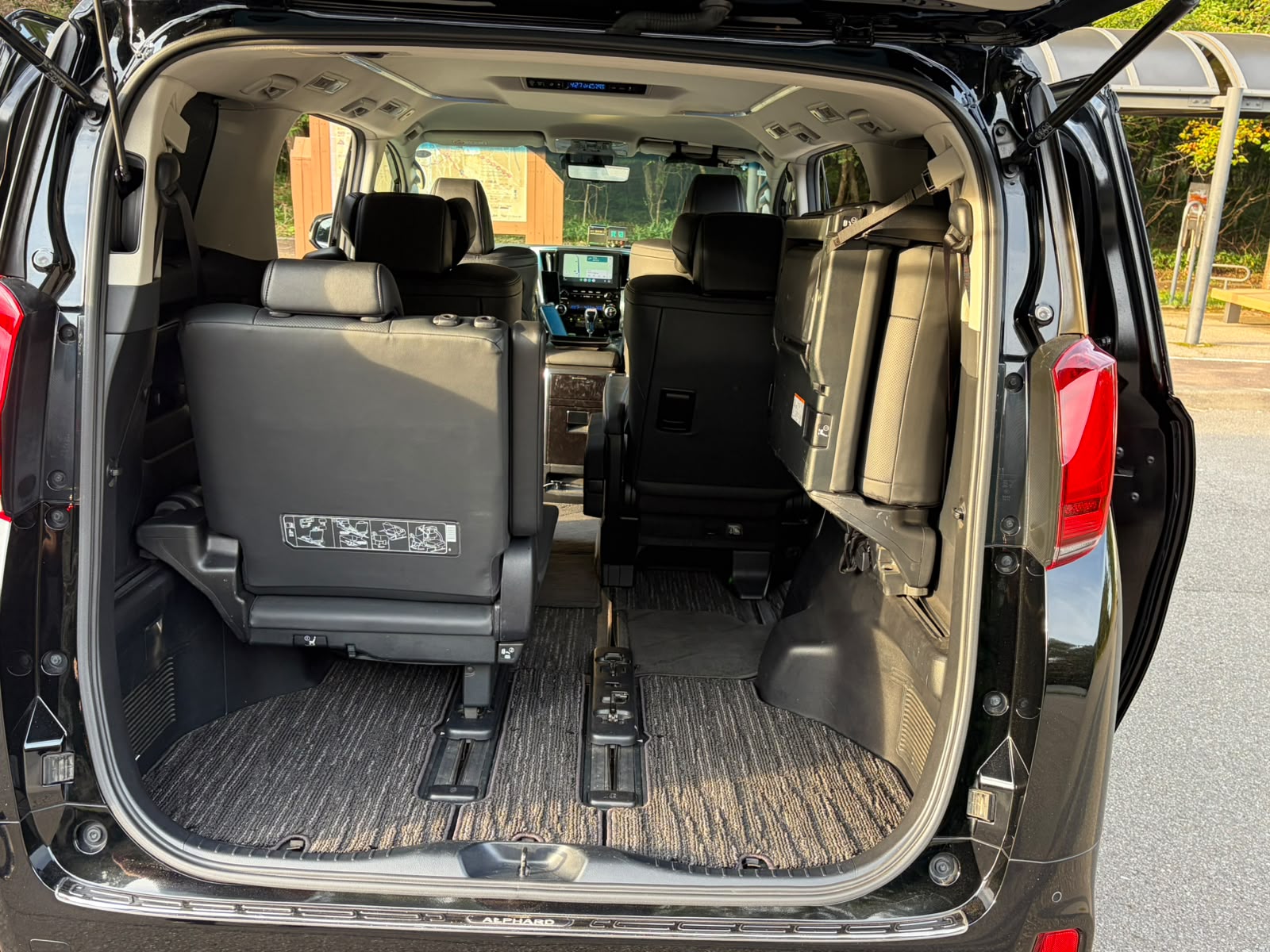
The same discipline applies to a self-drive reservation. Confirm the model or class policy, child-seat availability and realistic luggage capacity with the supplier. A larger van is useful only if the registered driver is qualified and comfortable operating it. Avoid solving a space problem by creating a driving problem.
You can combine self-drive, rail and private-driver days
A flexible transport plan matches the service to the day. Stay without a car while exploring Sapporo, use rail for a simple station-to-station trip, then collect a rental for a green-season countryside block. Alternatively, ask for a driver on the countryside dates and keep the rest of the week independent.
For a ski-resort holiday, compare a scheduled bus with a private airport–Niseko transfer and your accommodation’s actual final connection. If there is no useful driving during the resort stay, a week-long rental may solve fewer problems than expected. For a city arrival with bags, our airport–Sapporo transfer service is a separate point-to-point option.
A hotel change can become a sightseeing day: collect the group and luggage at one hotel, visit agreed places and finish at the next. Share both addresses and all bags when requesting that quote. It is a different itinerary from a direct transfer, so stops and service time must be agreed rather than added informally on the day.
If you are still deciding, send the rough dates, overnight towns and difficult sections. Ask for a private-driver quote for those dates alone, then compare it with the complete rental and public-transport alternatives.
Your own vehicle. A route planned with you.
Compare a private-driver option for your route.
Send your travel dates, overnight towns, passengers and bags. Tell us which days or connections you would like help with. Our team can discuss a suitable private vehicle and written quote in English while you arrange the rest of the trip independently.
There is no need to finish a minute-by-minute itinerary first. Accurate dates, addresses, people and luggage help us make a useful proposal.
WhatsApp +81 70-2279-9152 ↗info@hokkaidome.com
An enquiry is not a confirmed booking. Review the vehicle, itinerary, total and conditions before deciding.
Your final Hokkaido self-drive planning checklist
- Confirm documents for every driver. Check the original licence, the required permit or translation, validity and the supplier’s acceptance.
- Choose the overnight sequence. Protect arrival and departure days, and avoid making an early flight depend on a distant countryside departure.
- Check the actual car and bags. Include child seats, strollers and long equipment before selecting a class.
- Build the complete budget. Rental, protection, equipment, fuel, tolls, parking, branch-return fees and unused rental days all matter.
- Read the collection and return instructions. Include branch opening hours, shuttles, refuelling and flight buffers.
- Check the route for the season. Confirm access, opening dates and a workable alternative if weather changes.
- Give the driver a manageable day. Add breaks, identify optional stops and keep the final hotel arrival practical.
- Compare the difficult section separately. A private driver, rail or a transfer may be useful for one part of the trip without replacing every other day.
Hokkaido self drive: frequently asked questions
Is Hokkaido suitable for a self-drive holiday?
It can suit a confident, properly documented driver with a manageable route and suitable vehicle. Countryside sightseeing benefits from a car, while central city days may not. Assess the season, road experience and the amount of driving your holiday requires.
How many days do I need for a Hokkaido road trip?
Five days can support a focused central-Hokkaido plan such as Sapporo, Otaru and Furano–Biei, with careful arrival and final-night planning. Seven days gives more time in the same region. Adding Hakodate or eastern Hokkaido calls for a different route and more time, rather than a few extra stops.
Is self-drive cheaper than a private driver?
It often can be, especially for a small group that uses the rental efficiently. Compare the full rental budget with a quote for identical dates, addresses and service hours. A private driver adds a professional driving service and agreed pickup arrangements; it should not be assumed to become cheaper automatically at a particular passenger count.
Do I need a car for Sapporo and Otaru?
Not necessarily. Rail and city transport can work for central, station-based visits. A car or private driver becomes more useful when adding countryside stops, moving between hotels or managing substantial bags and a difficult final connection.
Can I drive in Hokkaido with a foreign licence?
Check the current official rules for the licence’s issuing country or region and your circumstances. A qualifying 1949 Geneva Convention international driving permit or a recognised licence-and-Japanese-translation route may be needed. Confirm the rental company’s requirements before paying; a licence alone should not be assumed sufficient.
Should a first-time snow driver rent a car in winter?
Consider other transport if you lack practical snow-and-ice driving experience. Vehicle equipment does not replace that skill. Rail, a suitable bus or a private driver can reduce the driving workload, although every mode can be affected by severe weather.
Can I use a rental car for part of the trip and a driver for another day?
Yes. Compare the timing of rental collection and return with the days when a car is useful. HokkaVia can quote specified private touring or transfer dates while you arrange the remaining transport independently.
Does a private driver also provide fluent English guiding?
HokkaVia’s team handles planning and enquiries in English. Drivers use everyday conversational English and translation apps. A fluent guide or specialist interpretation is a separate requirement to discuss before booking.
Can we bring a stroller, ski bags and child seats?
Send the complete passenger and luggage list, including sizes of long bags and each child’s age, height and weight. Whether renting or arranging a driver, check the full seating and baggage layout rather than relying only on a maximum passenger number.
Can HokkaVia help if we have not finalised the route?
Yes. Send dates, overnight towns, pickup and final drop-off, group size, bags and the places that matter most. The team can discuss a practical private-driver itinerary and quote in English. An enquiry is not a confirmed booking.
Official checks and further planning
Updated 18 October 2026 by HokkaVia’s travel-planning team. The itineraries and rental-budget arithmetic are planning examples, not live road forecasts, rental offers or guaranteed journey schedules. Confirm the requirements and arrangements for your own dates.
- Japan Automobile Federation: driving in Japan and licence procedures
- JAF: recognised licence-translation procedures
- Toyota Rent a Car: insurance, compensation and non-operation charges
- Hokkaido Regional Development Bureau: winter-road resources
- Hokkaido private driver: prices, vehicles and booking
- Furano–Biei route and sightseeing guide
- HokkaVia: current charter prices and conditions