HokkaVia · Guide 13
Sapporo to Furano and Biei: Day Trip Routes, Costs & Overnight Plans
Travelling from Sapporo to Furano is only the first part of a Furano and Biei itinerary. The flower gardens, dairy stops, hills and Blue Pond are spread across different areas. Compare transport and realistic time budgets here, then choose a focused day trip or an overnight stay with time for a proper Furano dinner.
Updated 19 October 2026 · HokkaVia
Request a Furano–Biei quote ↗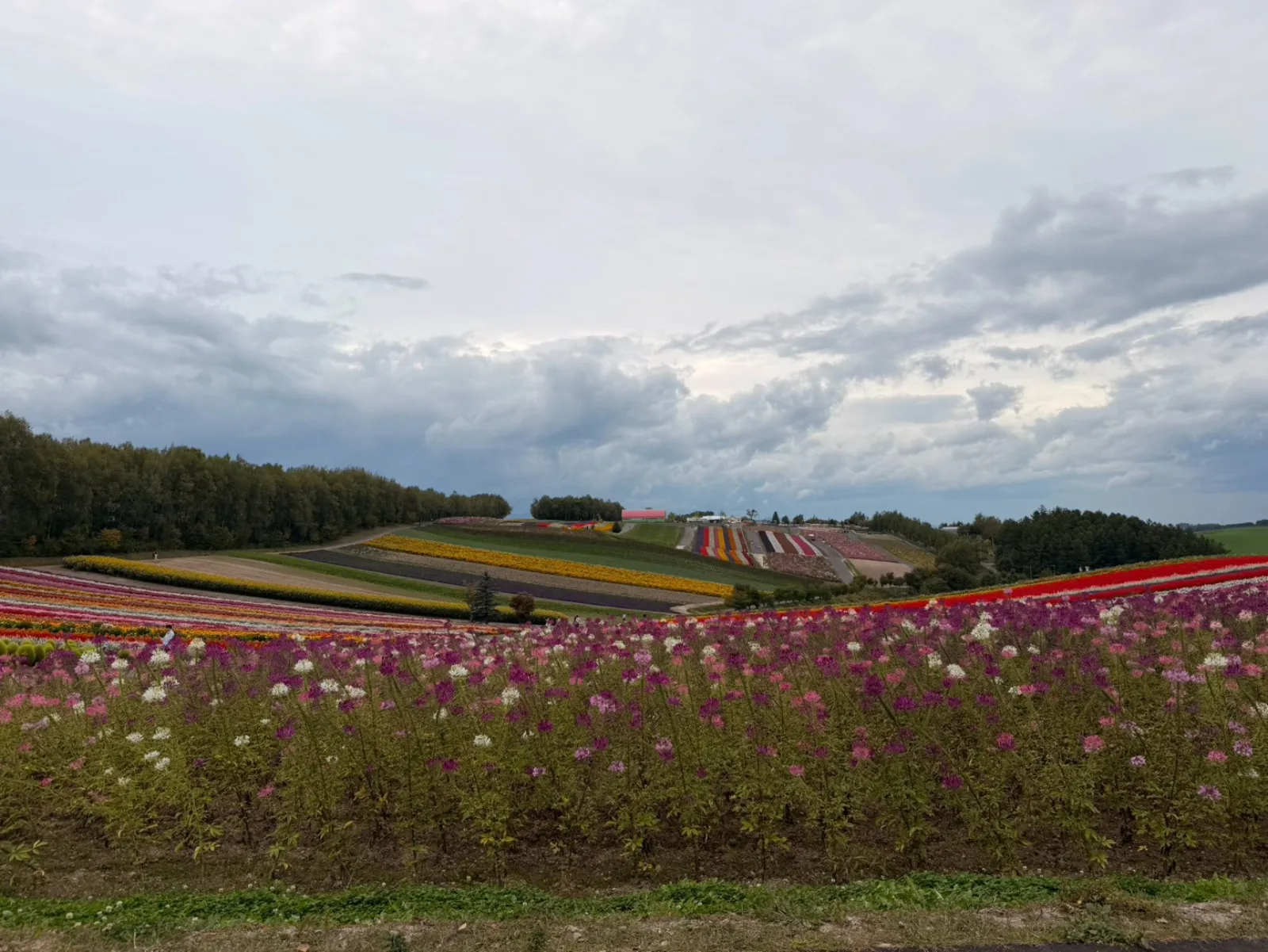
HokkaVia · Planning guide
The short answer
A selective Furano or Biei day trip from Sapporo is possible, but the area needs a full day. Choose a Furano-side food-and-flower route or a Biei-side hills-and-Blue-Pond route when time is limited. An overnight stay makes more sense if Farm Tomita, Shikisai-no-oka, the pond, Cheese Factory and a relaxed dinner are all priorities. Winter uses a different itinerary, and seasonal train names are not a year-round timetable.
Furano and Biei: day trip or overnight at a glance
A day trip from Sapporo works when you want a small selection of countryside highlights, can leave early and are comfortable spending a substantial part of the day travelling. An overnight stay is the better starting point when both Furano and Biei are priorities, when you want an evening experience, or when children and older relatives need a gentler pace. Staying overnight does not eliminate driving; it spreads the sightseeing and long-distance travel across two days.
| Your priorities | Start with | The trade-off |
|---|---|---|
| Two or three main stops, one Sapporo hotel throughout | Day trip | Early departure and a long return day; fewer optional stops |
| Flower gardens, Blue Pond, food stops and time to explore | One night / two days | Another hotel check-in, luggage and accommodation costs |
| Winter scenery and an evening illumination | Overnight, or a deliberately limited late-return day | Dark-road travel and weather may change the plan |
| Rail travel without a car | A focused route with booked local connections | Reaching a station does not solve access to the sights |
Choose the experience first, then the transport. A long list of attractions does not automatically make a better day. For a destination overview, see our Furano and Biei private tour guide.
HokkaVia
Plan Furano and Biei with HokkaVia
Send your dates, hotels, group, luggage and two must-see places. We will assess a suitable route and vehicle, with service hours and inclusions confirmed in writing.
Understand the geography before choosing stops
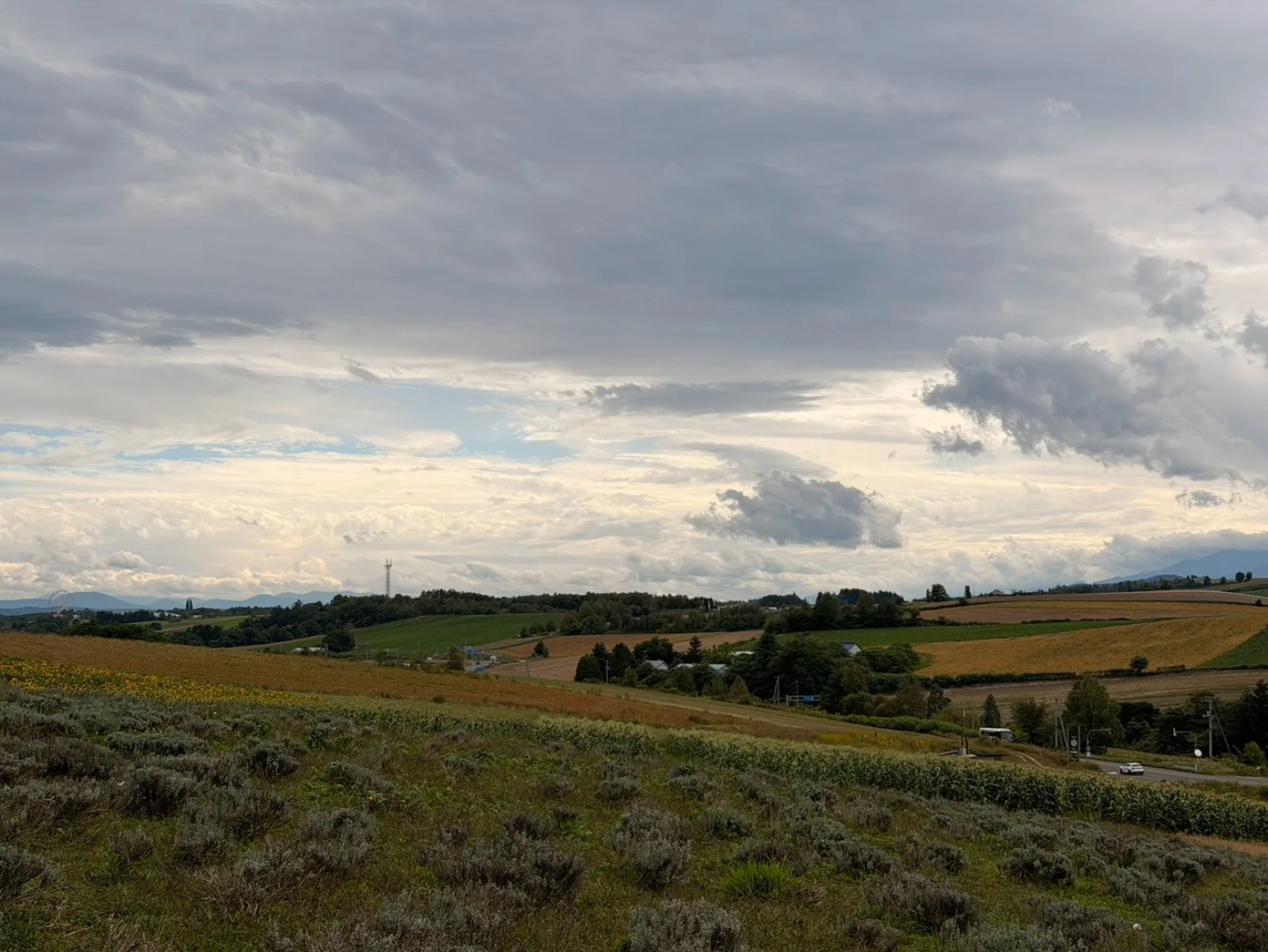
Furano, Nakafurano, Kamifurano and Biei are separate places across a broad rural area. Farm Tomita is in Nakafurano; Shikisai-no-oka is on the Biei side; Shirogane Blue Pond is farther towards the Shirogane area. Furano Cheese Factory is a separate stop south of central Furano. A hotel labelled “Furano area” may therefore be convenient for one part of your plan but far from another.
Group the sights into a southern flower-and-food day and a northern hills-and-pond day if staying overnight. For a day trip, select one main cluster and one additional priority, then check the route between their actual entrances. The map distance between town centres leaves out parking access, toilet stops, restaurant queues and walking.
Write down where the day starts and ends: a Sapporo hotel, Furano accommodation, Asahikawa or New Chitose Airport. Changing the endpoint can be useful on a wider tour, but it changes the route and the quote. Avoid adding Otaru or an Asahiyama Zoo visit as a casual extra to an already full Furano–Biei day.
Sapporo to Furano and Biei: train, highway bus or private car?
Choose the arrival town and the onward transport together. Furano Station is useful for a Furano-town stay; Biei Station is a different starting point for the hills and Shirogane area. Neither puts every major garden and the Blue Pond within a convenient short walk. Your transport decision needs to cover those final connections.
| Option | What it solves | What remains to arrange |
|---|---|---|
| JR trains | Date-specific station-to-station travel | Interchange, reservations and station-to-sight connections |
| Highway bus to Furano | Reaching the route’s listed Furano stops | Local sightseeing transport and the return departure |
| Organised sightseeing coach | A fixed set of stops in one booking | Meeting point, date, language and time at each attraction |
| Rental car | Independent local connections | Eligible documents, collection, parking, cover and road conditions |
| Private vehicle with driver | Hotel pickup and selected countryside connections | A feasible agreed route, hours, vehicle fit and quote |
By train: check the date, interchange and final connection
Use JR Hokkaido’s timetable search for Sapporo to Furano or Biei on your actual travel date. A route via Takikawa and one via Asahikawa can involve different connections. Compare the full journey and the return, then arrange the local transport needed for the sights. A station-to-station train ticket is not a countryside sightseeing itinerary.
Check the official Furano–Biei rail page for the current seasonal sightseeing services. A Norokko train or Lavender Express mentioned in a previous itinerary should not be assumed to operate on your date. Do not reuse a summer 2026 model course as a timetable for winter or another year. Check the future season’s announced services before booking around a named sightseeing train.
By highway bus: useful for reaching Furano town
Check the current Hokkaido Chuo Bus Sapporo–Furano route for the boarding point and departures. The timetable updated on 1 July 2026 lists an 08:50 Sapporo Station departure reaching Furano Station at 11:27, with an adult fare of ¥2,700 one way or ¥5,100 return. This dated example is not a promise for winter or a future season; recheck the linked operator page before travelling. A highway bus takes you to its listed stops; it does not become a flexible Blue Pond and flower-garden tour on arrival. Arrange the onward leg before choosing this option for a day trip.
By private car: keep one realistic route
HokkaVia can arrange hotel pickup, room for the agreed luggage and a driver for the countryside connections. The benefit is less transfer handling and control over the selected stops. It does not reduce a long list of scattered attractions to a short day. Share the two places that matter most, and we can assess the route, hours and suitable vehicle.
How long does Sapporo to Furano or Biei really take?
For a first road plan, reserve roughly two to three hours for each long Sapporo-to-area leg in ordinary conditions, then ask for an assessment using the actual pickup, stops, season and return address. This is a broad planning allowance, not a published transfer guarantee. Traffic, breaks, parking queues and snow can make it substantially longer.
Count local driving separately. Travelling from a Furano dairy stop to the Biei hills and then to Shirogane is movement within the countryside after you have already arrived from Sapporo. The word “nearby” on a regional map is not spare sightseeing time.
A ten-hour time budget
Consider an illustrative ten-hour day with five hours for the long outbound and return legs, one hour of local connections, one hour for lunch and half an hour for comfort stops and loading. It leaves two and a half hours for the attractions. A fourth major visit has to replace something else or require a separately agreed longer service.
That calculation is a way to test a route, not a promise that those driving assumptions will hold. If the forecast or your accommodation makes the travel longer, shorten the visits or choose a nearer area. Do not recover the time by removing every break, and do not use a minimum map estimate as the buffer for an evening flight.
Why a local day itinerary is not a Sapporo round trip
The official tourism Biei driving itinerary starts at Biei Station and finishes at Asahikawa Station. It is useful for understanding local sightseeing, but its day starts after the journey from Sapporo. Add your own intercity legs before treating that kind of route as a same-day return plan.
Farm Tomita and Shikisai-no-oka: choose by season
Lavender and the broader patchwork of seasonal flowers are different reasons to visit. Farm Tomita is the classic lavender stop; Shikisai-no-oka offers sweeping planted hills. Visiting both can suit a flower-focused trip, but a one-day itinerary also needs time for the journey and your other priorities. Pick the garden that best matches the current flowering conditions if time is limited.
Late June through summer is the period many visitors associate with lavender, with the strongest display varying by field, variety and weather. Do not interpret a July photograph as a guarantee for your date. Check Farm Tomita’s current updates and the gardens’ latest photographs. Other flowers can extend the appeal beyond the lavender peak; winter is a different landscape altogether.
Allow time for a cart or tractor-bus ride
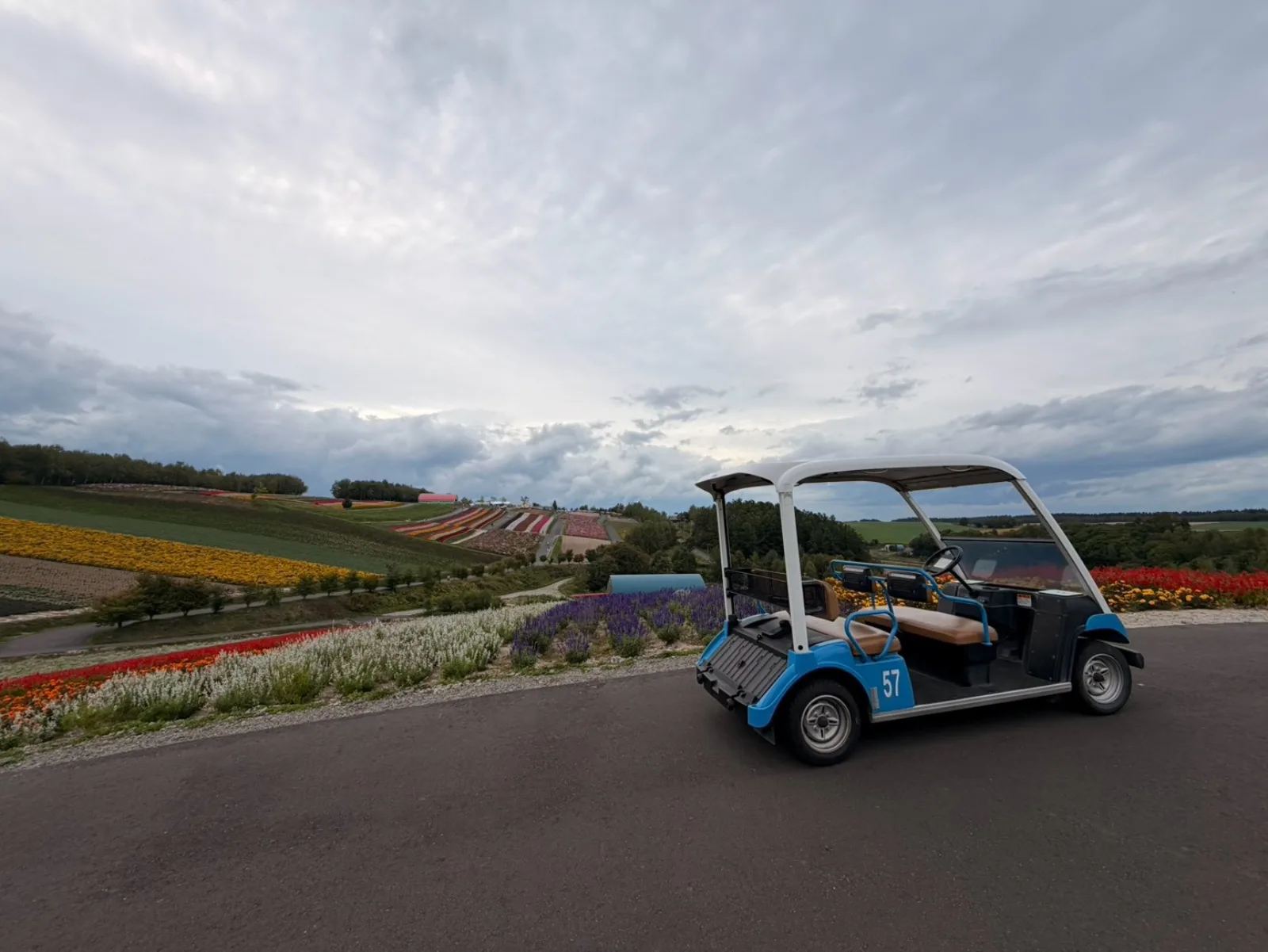
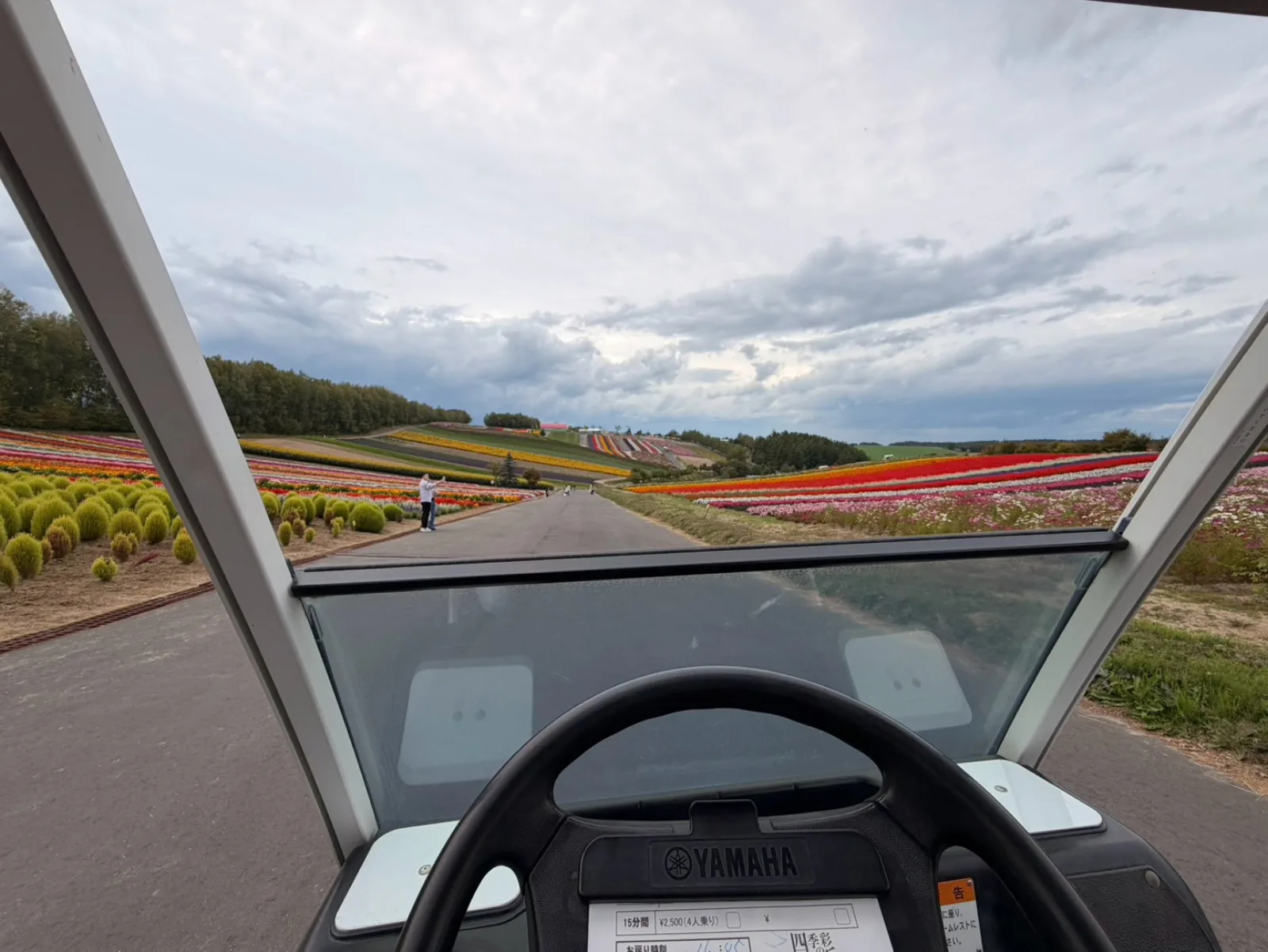
Shikisai-no-oka offers carts and a tractor bus during the green season. They can make the large grounds easier to explore, but availability, queues and ride rules need checking. Admission and rides are separate charges where applicable. A cart should not be assumed to provide step-free access or to suit every mobility need; discuss boarding and walking requirements in advance.
For a relaxed visit, keep one meaningful garden stop rather than rushing between every flower field on a map. Photos, a drink and simply looking across the hills are part of the experience.
Blue Pond and Shirahige Falls: set realistic expectations
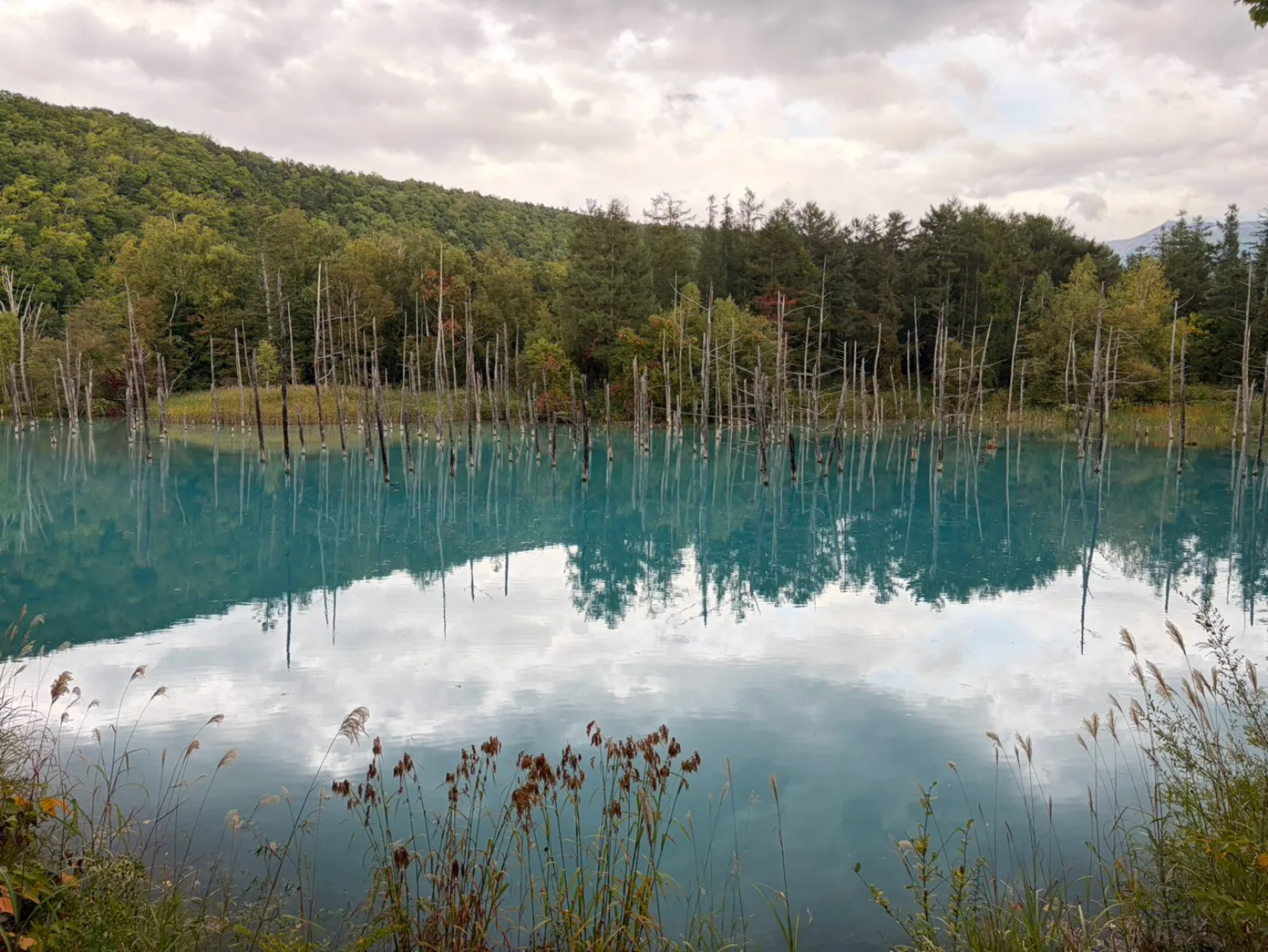
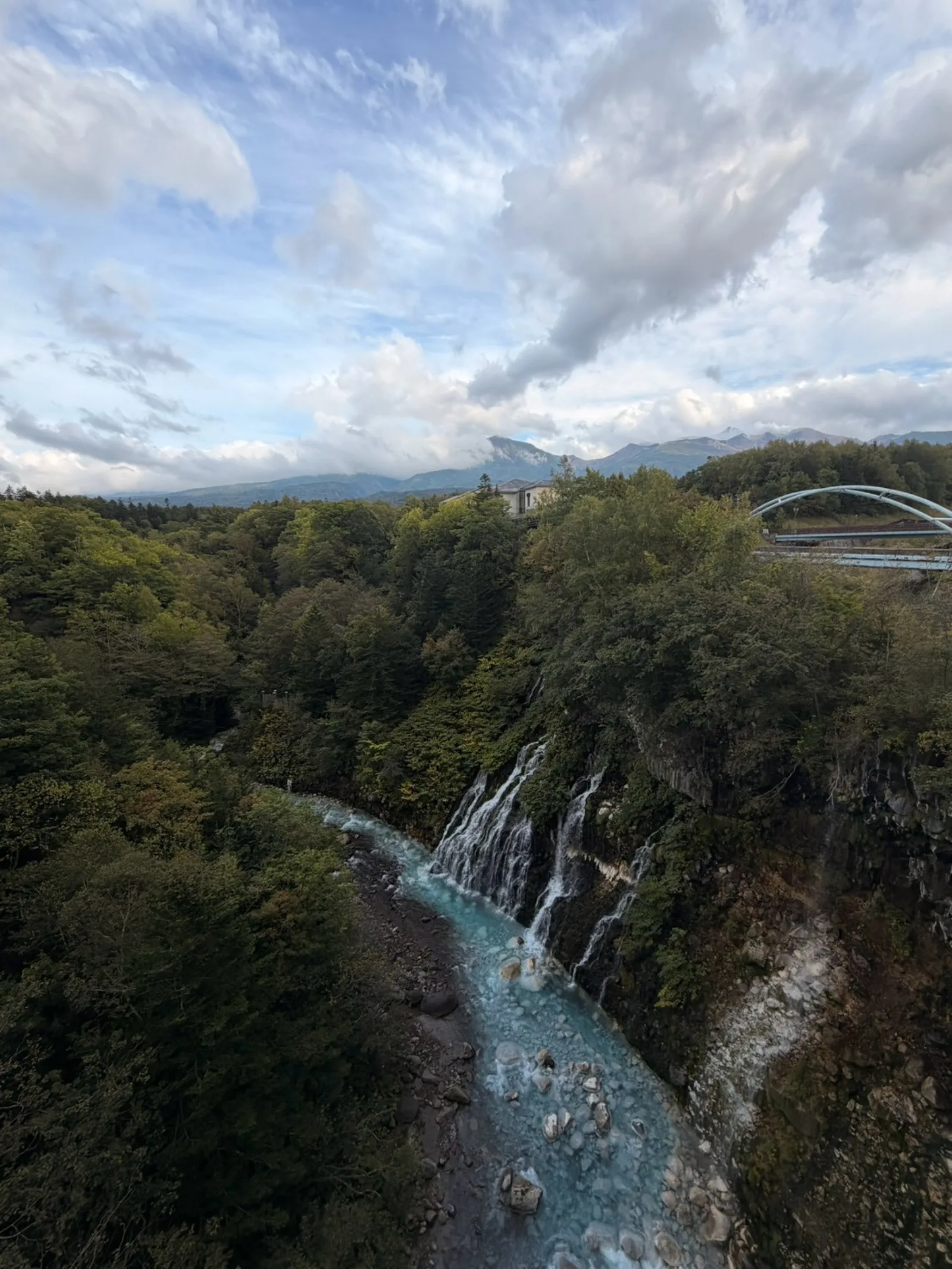
Shirogane Blue Pond is a strong choice for a Biei-focused route, often paired with the nearby Shirogane area and Shirahige Falls. Its appearance changes with light, weather and season. The bright blue scene used in travel photography is one possible view; the colour on the day is not something a tour can guarantee.
In winter the pond can freeze and be covered by snow, obscuring the blue water. Seasonal illumination is a separate evening experience with its own dates and hours. Check the current announcement instead of applying last winter’s schedule. Wanting daylight flower gardens and an evening light display may also combine experiences from different seasons.
Budget time for parking, the approach to the viewing area and a careful walk back. Wet or snowy paths may require a slower pace. Stay in permitted areas and never walk on the frozen pond. If the view is your main reason for travelling, build flexibility into the wider itinerary rather than treating one exact photo as the measure of a successful day.
Leave a proper break for Furano's dairy and lunch
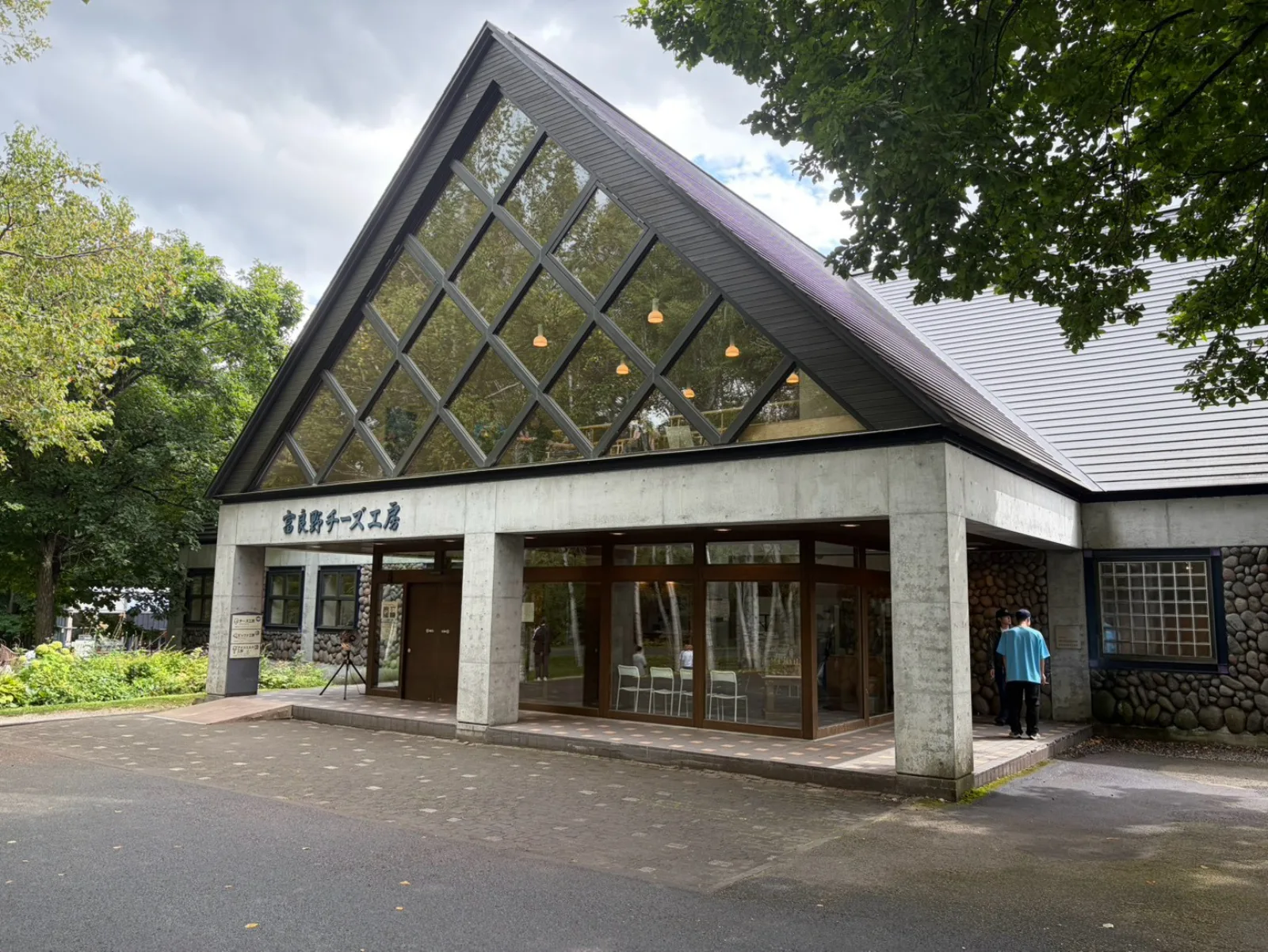
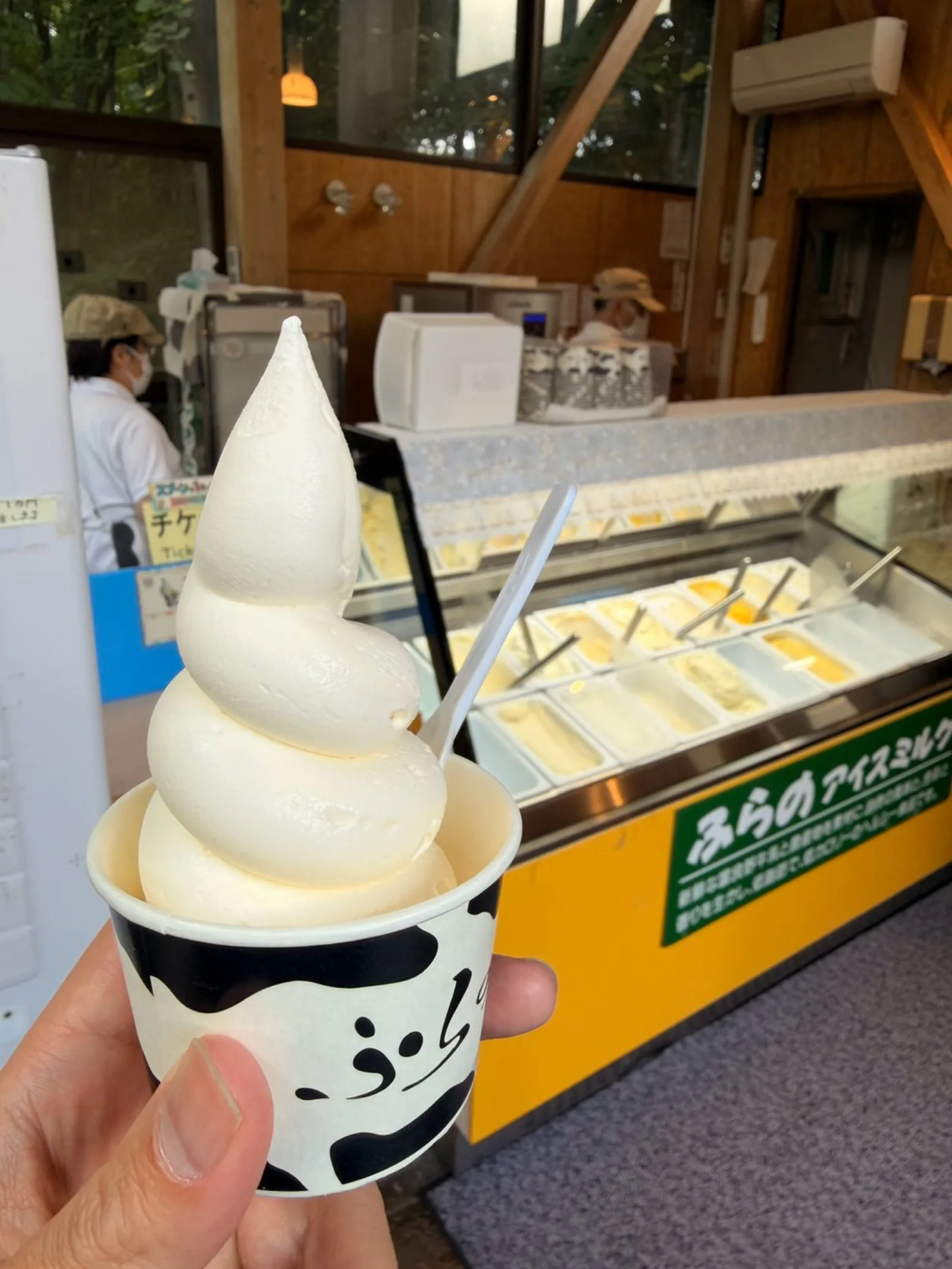
Furano Cheese Factory makes a useful food stop on a Furano-focused day. Its official information describes ice milk made from Furano milk and cheese soft-serve; the site also has a pizza workshop. Check the individual facilities’ opening days and last orders because arriving at the main building does not guarantee that a meal is still available.
Choose whether this is lunch, a dairy snack or a longer visit before placing it in the schedule. Ordering, queues and a child’s rest break take more time than a quick photograph. If the morning runs late, replacing a secondary viewpoint is usually more comfortable than removing lunch. A nearby alternative should be selected before the group becomes hungry.
Tell us about dietary needs when enquiring. Dairy products contain milk, and seafood or vegetable dishes are not automatically suitable for every dietary requirement. For halal needs, confirm ingredients, sauces and preparation directly; this guide does not claim certification for the venues mentioned. Restaurant bookings and meals are included only if the written quote says so.
Our Furano dinner recommendation: Bonzoku
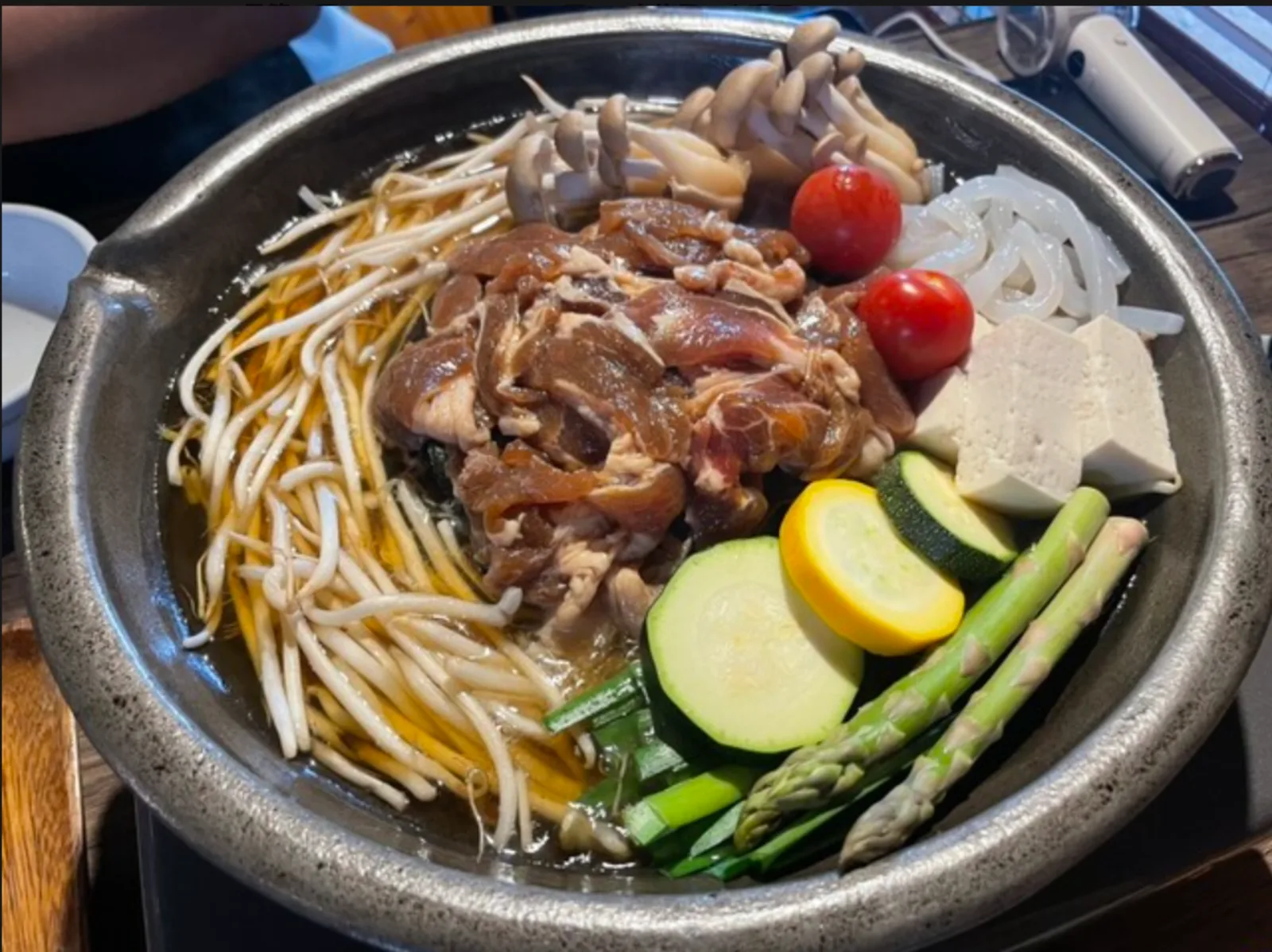
For a memorable local dinner in Furano, we recommend jingiskan Bonzoku (盆賊衆). Its seasoned sheep meat is cooked in a sukiyaki-style pan with vegetables—a different experience from a simple plate of grilled meat.
What is jingisukan? Also written “Genghis Khan barbecue”, it is a Hokkaido speciality of lamb or mutton cooked with vegetables, usually on a domed iron pan. Some versions use marinated meat; others are dipped in sauce after cooking. Bonzoku is a good introduction to the seasoned style.
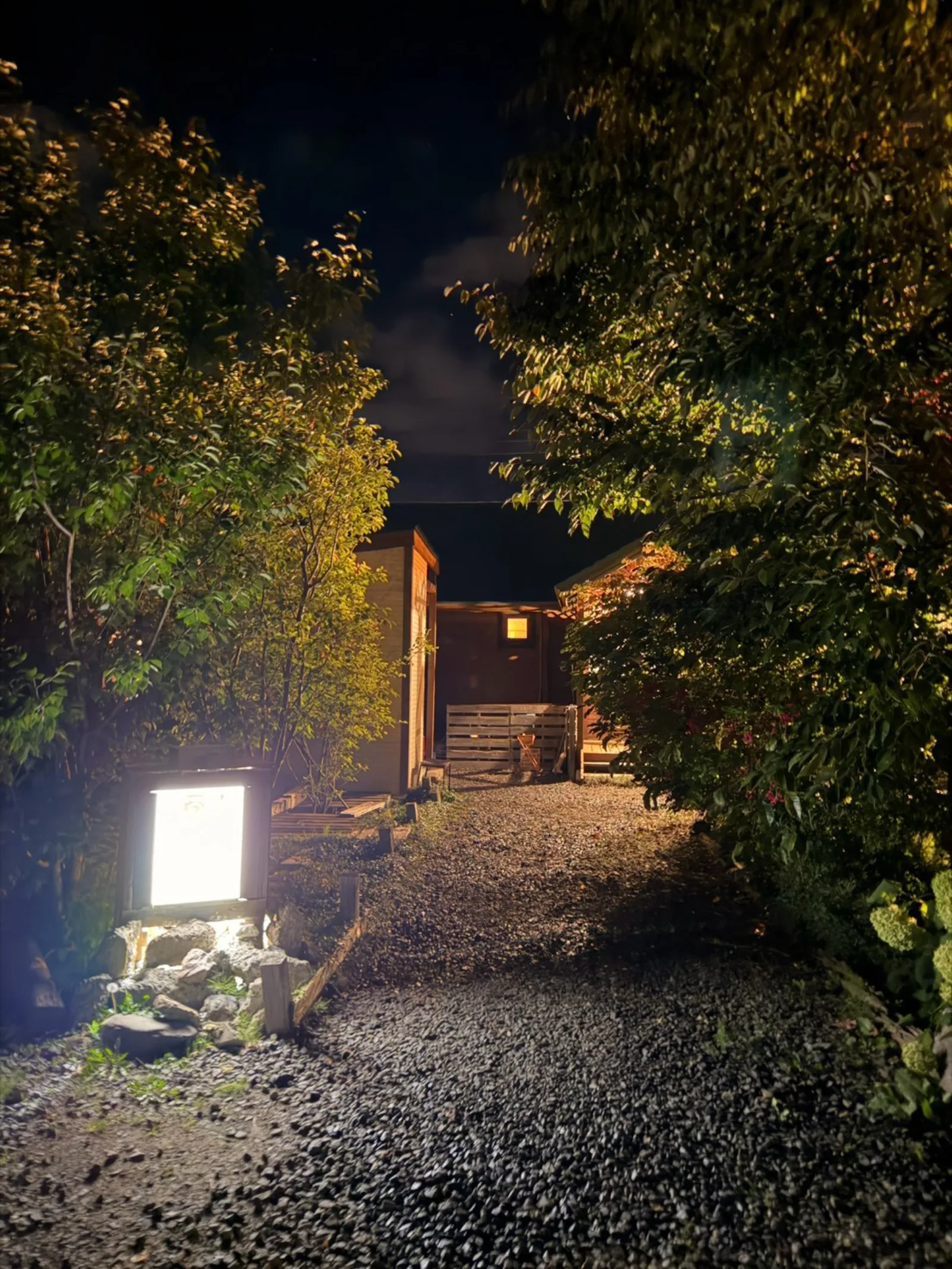
Make it an evening stop when staying in Furano, or ask us to assess the timing before adding dinner to a day trip. The restaurant generally works by reservation. Check its current opening days, booking conditions and menu before visiting; meals and restaurant reservations should be confirmed separately from your car service.
Bonzoku official information and reservations ↗
Two focused day trips from Sapporo: choose Furano or Biei
A good Furano and Biei day trip does not need to reach every named attraction. Choose the route that matches the season and the two places you most want to see. The examples below use approximate time blocks for planning, subject to the confirmed route and service period.
Option A: Furano-side flowers and dairy
| Part of the day | Furano-side focus | Planning decision |
|---|---|---|
| Early morning | Sapporo departure with a comfort break | Set the departure using the actual first stop |
| Late morning | Farm Tomita or one date-suitable garden | Use current bloom information |
| Midday | Lunch on the chosen route | Allow time to sit down and eat |
| Early afternoon | Cheese Factory if open and time permits | Treat it as a dairy visit or snack, not an instant photo stop |
| Afternoon | Start the return to Sapporo | Do not add Blue Pond as an unplanned distant detour |
This is the better starting point if Farm Tomita and the Cheese Factory are priorities. In a date outside the main flower period, decide whether the food stops and landscape still justify the long day, or choose another area. It does not include a promise of lavender in bloom.
Option B: Biei hills and the Blue Pond
| Part of the day | Biei-side focus | Planning decision |
|---|---|---|
| Early morning | Sapporo departure with a comfort break | Confirm the route and conditions |
| Late morning | Shikisai-no-oka or a permitted hills viewpoint | Choose using the season and activity operation |
| Midday | Lunch before the Shirogane leg | Avoid losing the meal to an extra viewpoint |
| Early afternoon | Blue Pond, then Shirahige Falls only if feasible | Include parking, paths and optional-stop time |
| Afternoon | Return towards Sapporo | Keep the agreed finish and breaks protected |
Shikisai-no-oka is in Biei, not Furano town. Keeping the route on this side avoids driving south solely to tick “Furano” off a list. Choose the flower garden or a suitable hills stop by the actual season, then assess whether Shirahige Falls fits after the pond. Drop that optional stop first if parking or lunch takes longer.
If you want the complete flower-and-pond circuit
Farm Tomita, Shikisai-no-oka, Blue Pond, Shirahige Falls, the Cheese Factory and a proper restaurant meal make a more demanding programme. Ask for a separately assessed longer day, or stay overnight. A twelve-hour wish list should not be sold as a standard ten-hour charter without explaining the hours and overtime. Avoid placing the full circuit before a fixed flight from New Chitose.
A two-day Furano and Biei itinerary with one overnight
One night gives the two sides of the area their own time. The itinerary below is our suggested green-season structure, not a package with hotels or meals included. Confirm the dates, vehicle schedule, accommodation and restaurant independently or in your written arrangements.
Day 1: travel from Sapporo to the Furano side
Start with a planned comfort break on the road, then visit Farm Tomita or another flower stop selected for current conditions. Leave a real lunch period and decide whether the Cheese Factory is a dairy snack or a longer visit. Check into the chosen Furano-area hotel with time to settle in before dinner.
For a local dinner, consider our recommendation jingiskan Bonzoku (盆賊衆). Its seasoned sheep-meat dish with vegetables is a distinctive introduction to Hokkaido jingisukan. Confirm the booking and opening days directly. A dinner reservation and any evening transport need to fit the agreed service hours; a sightseeing driver is not automatically on call after hotel drop-off.
Day 2: Biei hills and the Shirogane area
Choose the Biei flower or hills stop for the morning, then allow for lunch and the journey to the Blue Pond. Add Shirahige Falls if the paths, weather and time are suitable. Return to Sapporo with a sensible break, or assess an Asahikawa finish if it fits the rest of the holiday.
For photographers, two nights can be more useful than one because it allows a second weather window. For a family, a second night may reduce packing and permit a longer rest after an outdoor morning. Neither arrangement guarantees particular light or a particular shade of blue water.
Compare the entire two-day cost: guest accommodation, both vehicle days, driver accommodation where needed, meals and attractions. Staying overnight changes the travel pattern; it should not be presented as a free extra on a one-day quote.
Where to stay: Furano, Biei, Shirogane or Asahikawa?
| Base | Why consider it | Question to resolve |
|---|---|---|
| Furano / Nakafurano | Southern flower-and-food stops, or a Furano resort stay | Is the property in town, by a resort or in the countryside? |
| Biei | Hills and northern sightseeing priorities | How will you reach dinner and the next day’s sights? |
| Shirogane area | A hot-spring stay paired with the pond and falls | Meal times, transfers and any seasonal evening access |
| Asahikawa | A wider itinerary that also includes the city or onward rail | Additional travel to your chosen Furano stops |
Compare exact addresses, not only the town name. A rural property may offer the setting you want but require transport for every meal. Confirm check-in deadlines, dinner arrangements, luggage storage and any shuttle directly. Do not assume a hotel shuttle is available outside its published times or that a private driver remains on call overnight.
Before booking non-refundable accommodation, check whether the proposed driving route and service hours work. Separate hotel costs, the travellers’ meals and any driver overnight costs in the quote so two proposals can be compared fairly.
Winter and shoulder seasons need a different plan
Summer’s colourful fields become snow-covered landscapes in winter. Replace flower-hunting with a small number of accessible views, warm indoor breaks and, if suitable, a bookable snow activity. A photograph of a cart in a flower garden is not a winter activity promise. Shikisai-no-oka’s winter operations depend on snow conditions and have activity restrictions that must be checked for each participant.
Plan the daylight portion first. If an illumination is important, decide where you will eat, wait warmly and finish the day. A late drive back to Sapporo may be acceptable for some groups, while an overnight stay offers a less compressed alternative. Neither option removes the possibility of weather disruption.
Spring thaw and autumn transitions are also worth checking carefully: summer gardens, winter activities and seasonal transport do not necessarily overlap. Select places confirmed open for your dates and have an indoor or shorter-route alternative. Read our Hokkaido winter driving guide if considering a rental car. A professional driver still needs to respond to road conditions; no vehicle makes a tight winter timetable reliable.
Furano–Biei private-tour prices and the complete travel budget
HokkaVia currently publishes the Biei–Furano-area vehicle rates below for pickup and return in Sapporo and up to ten hours from pickup. These starting figures were checked on 19 October 2026. They are per vehicle, subject to date, availability, luggage fit and the agreed feasible route.
| Vehicle for the agreed group | April–November | December–March |
|---|---|---|
| Alphard | From ¥65,000 per vehicle | From ¥70,000 per vehicle |
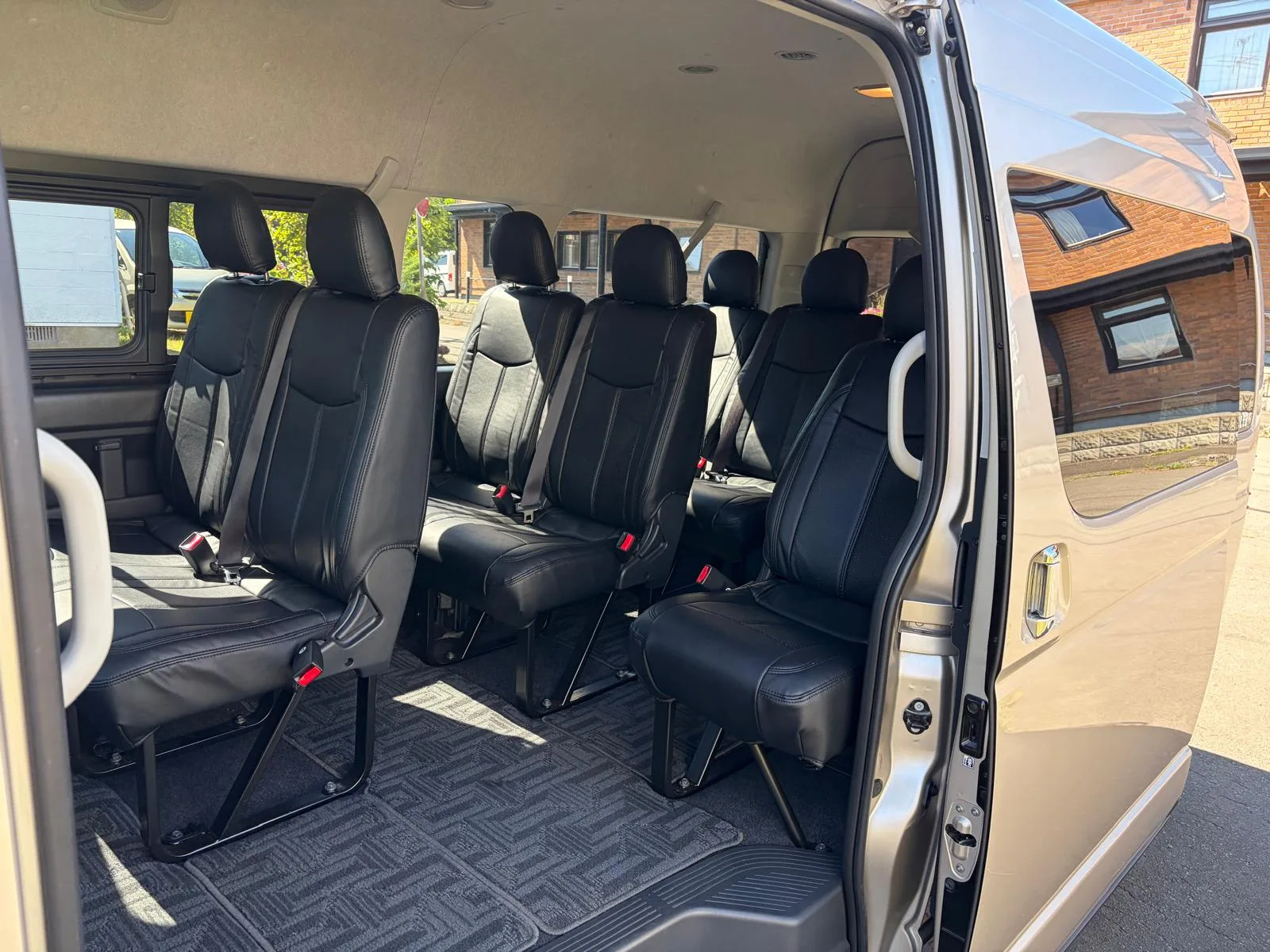
| HiAce | From ¥75,000 per vehicle | From ¥85,000 per vehicle |
The sightseeing vehicle price includes a driver, fuel, tolls and parking for the agreed itinerary. Guest meals, attraction tickets and guest hotels are separate. Four people sharing an April–November ¥65,000 Alphard vehicle rate divide it to ¥16,250 each, before those personal costs. The arithmetic does not confirm that four people and every luggage combination fit.
Overtime is published at ¥5,000 per thirty minutes. An agreed twelve-hour service would therefore add ¥20,000 to a ten-hour vehicle rate under that overtime schedule; actual availability and the route still need confirmation. Compare that longer day with the cost and comfort of staying locally rather than assuming that more stops fit at the same starting price.
An overnight route is priced day by day, with driver accommodation published from ¥15,000 per night depending on location and availability. Guest accommodation is additional. Consult the current price and cancellation page and ask for a quote covering both days, including where the car service ends each evening.
For independent travel, add intercity tickets, seat reservations where required, local buses or taxis, storage and admissions. For self-drive, include fuel, tolls, parking, the chosen cover and rental collection or return time. At Blue Pond, the tourism association’s current notice lists parking at ¥1,000 for a car from 1 July 2026; older ¥500 figures should not be used. Larger vehicles have different charges. This is an expense to budget in a self-drive plan, while parking on our agreed sightseeing route is included in the published vehicle rate.
A highway ticket to Furano and a driver who connects several countryside stops are different services. Compare the total for your actual group and itinerary, not just the cost of reaching the first station or town.
Families, luggage and the right vehicle
Tell us the number of adults and children, children’s ages, suitcase sizes, pushchairs, mobility aids and any ski equipment. Seat count alone does not establish usable luggage capacity. Compare Alphard and Luxury HiAce against your actual load, and confirm child seats and boarding needs before booking.
A family day benefits from an agreed comfort stop and a lunch plan. Build one optional attraction into the route that can be dropped for tired children or changing weather. For an overnight stay, pack a small bag with the essentials you need during sightseeing so every stop does not involve unloading the car.
Hotel pickup and a private vehicle reduce some transfers, but the driver is not automatically a licensed guide, interpreter or childcare provider. Confirm the language and service you need. For wider planning, see our Hokkaido family trip guide.


Enjoy the views without entering farmland
Biei’s patchwork hills are working agricultural land, including areas that look empty or are covered by snow. Follow signed viewing areas and public routes; do not step into fields for a photograph. Use designated parking and keep farm access clear. The same care applies when a favourite photo location on social media appears to have no fence.
Keep this principle in the itinerary itself: select legitimate stopping places before travelling, allow a little time for a safe alternative and accept that some views are best enjoyed from the road. A private tour should adapt to access restrictions rather than promise every roadside tree. At the pond, remain behind barriers and on permitted paths.
Send these details for a workable Furano–Biei quote
Send your travel date, Sapporo pickup address, end point, passenger ages, luggage and your two most important sights. Say whether you are considering a day trip or one night, and whether hotels are already booked. Include any fixed meal, activity or flight time, plus walking and dietary needs.
We can then assess the route and vehicle rather than simply agreeing to a list of attractions. Ask for written confirmation of inclusions, hours, expected pickup and return arrangements, and how weather-related changes are handled. An enquiry is not a confirmed booking.
If your Hokkaido holiday also includes an Otaru day trip, place it on a separate day or a carefully assessed onward leg. The goal is a coherent trip with enough time at each destination, not a single day crossing every region.
Flower season, winter visits and what to recheck before travel
For a lavender-focused trip, use Farm Tomita’s own flower-field information and current updates. Different fields and varieties have different flowering periods; July is a planning starting point rather than a guaranteed peak date. A colourful mixed flower garden later in the year is a different experience from the classic lavender photograph.
Shikisai-no-oka also changes with the season. The garden, rides and alpaca area have their own charges and operating arrangements; do not assume one admission covers every activity. In winter the site offers a snow-based programme when conditions permit, rather than the striped summer flowers shown in this guide’s photographs.
For Blue Pond, check the current tourism association facility notice and seasonal information. Snow cover can hide the water and illumination is an evening programme with its own dates. The pond photograph is an example of a visit, not a promise about the colour or weather on yours.
Before leaving Sapporo, recheck opening days, the restaurant booking, road or rail operation and your agreed return time. If the day needs to shrink, preserve the two priority stops and remove the others. A shorter route with time to enjoy the place is a stronger holiday plan than a long circuit experienced mostly through the car window.
Furano and Biei travel: frequently asked questions
Can you visit Furano and Biei in one day from Sapporo?
Yes, with an early start and a selective route. It is a long travel day; overnight is worth comparing if both areas and several activities are essential.
How many days should I spend in Furano and Biei?
One day suits highlights. One night and two days gives more room for both areas; add another night for a specific activity or a slower pace rather than simply adding stops.
Can I travel without renting a car?
Yes, but plan the local connections as well as the train or highway bus. A sightseeing coach or booked private vehicle can link dispersed attractions.
Is the Furano Lavender Express available all year?
No. Check the operating calendar for your travel date and year. Do not assume a seasonal route in an older guide is still running.
Can I see blue water at Blue Pond in winter?
The surface can freeze and be covered with snow, so the summer blue-water view may not be visible. Check current conditions and any illumination announcement.
Should I stay in Furano or Biei?
Choose using your actual attractions, hotel address and dinner arrangements. Furano suits southern priorities; Biei or Shirogane can suit a northern focus, subject to transport.
Is a private driver the same as a tour guide?
Not automatically. Confirm the required language, guiding service and responsibilities before booking.
Are accommodation and attraction tickets included?
Only when listed in the written quote. Confirm hotels, meals, tolls, parking, tickets, overtime and any driver overnight costs separately.
Planning sources and date
Reviewed by the HokkaVia planning team. Updated 19 October 2026. Timetables, fees and operating conditions can change; use the linked operators for your travel date. Itinerary time blocks and shared-car calculations are our planning examples.
Attraction details and road conditions change. The official links below are useful for checking your travel date; route and vehicle availability are confirmed in a written quote.
- Furano Tourism Association — transport
- JR Hokkaido — dated seasonal route
- Farm Tomita
- Shikisai-no-oka
- Biei Tourism Association
- Biei — visitor etiquette
- Furano Cheese Factory — dairy
- Hokkaido official tourism — Blue Pond
- Bonzoku / 盆賊衆 — Bonzoku official information and reservations
- Jingisukan — MAFF
- Biei Tourism Association: current Blue Pond parking notice
- Biei Town: Blue Pond parking charges
- Hokkaido Tourism Organization: local Biei route
- HokkaVia: published sightseeing rates