HokkaVia · Guide 12
Otaru Day Trip from Sapporo: Itinerary, Costs & Private Tours
An Otaru day trip from Sapporo can be a simple canal walk by train or a comfortable private tour with hotel pickup, sushi and Mount Tengu. Use the route choices below to decide how long to stay, what to leave out and what the full day will cost.
Updated 19 October 2026 · HokkaVia
Request an Otaru tour quote ↗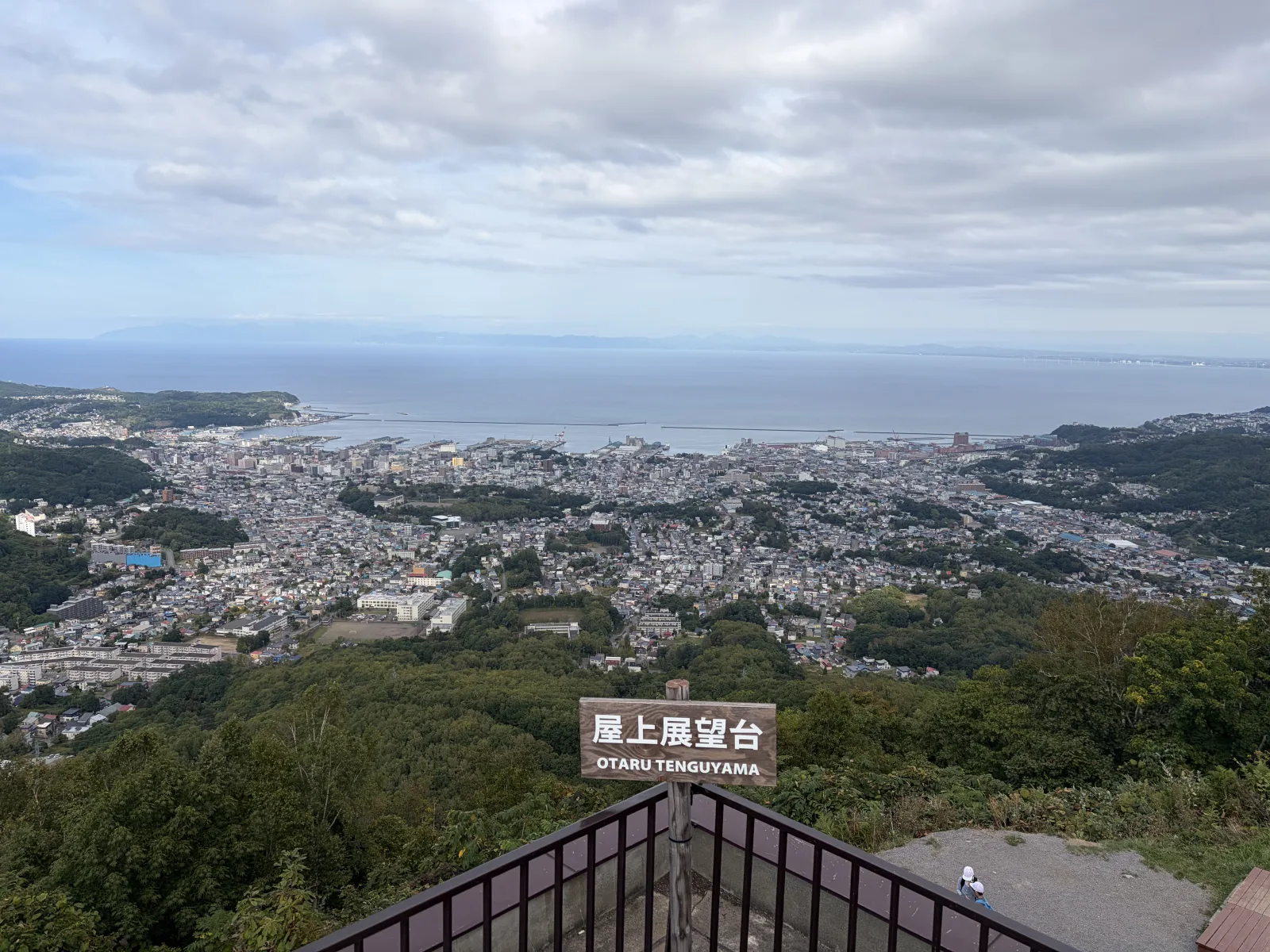
HokkaVia · Planning guide
The short answer
Allow around five to six hours in Otaru for the canal, Sakaimachi and an unhurried lunch, plus travel from Sapporo. For Mount Tengu, reserve a full day and check the ropeway calendar and visibility. The train suits a compact central walk; HokkaVia can arrange a private vehicle and driver when hotel pickup, a mountain visit, luggage or a gentler family pace matters. Choose one main addition outside the centre and keep its return connection in the plan.
Is Otaru worth a day trip, and how much time do you need?
Otaru is a good choice when you want a change of atmosphere from Sapporo without moving hotels. The canal, old commercial streets, glass shops and food stops give a focused town day. The central area can be explored independently; Mount Tengu and other outlying attractions change the transport plan.
For a first visit, we recommend roughly five to six hours on the ground for the canal, a proper lunch and browsing in Sakaimachi. A short three- to four-hour visit needs fewer shops and a simpler meal. A full day can add the mountain if it is operating and the view is worthwhile. These are our planning allowances, not attraction opening hours or a train timetable.
| Time in Otaru, excluding intercity travel | A practical focus | Leave for another visit |
|---|---|---|
| 3–4 hours | Short canal walk and selected shops or one meal | A separate mountain or aquarium programme |
| 5–6 hours | Canal, lunch and unhurried Sakaimachi browsing | Multiple outlying destinations |
| Full day | The central route plus Mount Tengu if suitable | A rushed combination of every neighbouring area |
The best Otaru day is the one that matches the group. Two adults with light bags may prefer the train and a central walking route. A family travelling with a stroller, grandparents or luggage may value hotel pickup and shorter connections. We can arrange a private driver for an agreed itinerary; you still choose where to spend your time.
Make one decision early: do you want to be back in Sapporo for dinner, or stay for evening views? Keeping both a late mountain visit and an early Sapporo reservation creates avoidable pressure. Check that the return transport and booked car hours support the finish you actually want.
HokkaVia
Plan your Otaru day with HokkaVia
Tell us your date, pickup address, group, bags and two priority stops. We will assess a suitable route and vehicle; availability and inclusions are confirmed in a written quote.
Sapporo to Otaru: train, bus or private car?
The train is a strong choice for independent travellers staying near Sapporo Station and concentrating on the central sights. A private car becomes more useful when your day includes Mount Tengu, hotel luggage, several generations or a pickup away from a convenient station. Compare the whole door-to-door day, including local connections, rather than only the intercity travel time.
| Option | Planning allowance | Best fit | What to check |
|---|---|---|---|
| JR train | About 35–50 minutes station to station, depending on service | Central Otaru with light bags | Actual departure, destination and stopping pattern; add hotel and walking time |
| Highway bus | Allow around an hour or more, plus waiting and road delays | A convenient Sapporo boarding point | Current stop, timetable and luggage rules |
| Private car with driver | Obtain a route-specific pickup-to-arrival estimate | Hotel pickup, mountain stop, family or luggage | Service hours, vehicle, tolls, parking and waiting |
| Rental car | Include collection, parking and return procedures | Confident drivers continuing a wider road trip | Parking locations, winter conditions and rental terms |
JR Hokkaido’s timetable should determine the train you board: a service name alone does not guarantee the same destination or stops. A highway bus is not a hotel-to-hotel transfer. For either option, check the last practical return connection before leaving Sapporo. Do not plan around a last-train time copied from an undated blog.
A driver can remove the work of parking and local transfers, but cannot eliminate congestion, snow or attraction closures. If your only plan is a canal walk and lunch for two, a train may be the better-value choice. Our self-drive versus private driver comparison explains the wider trade-offs.
Otaru Station or Minami-Otaru: a walking route that makes sense
Start at Otaru Station if you want the tourist-information stop or a market meal before the canal. Start at Minami-Otaru if the Sakaimachi and music-box end is the main priority and the train you choose stops there. Check the service in JR Hokkaido’s timetable search, because a route name alone does not tell you the stopping pattern.
Station to canal, then towards Sakaimachi
From Otaru Station, head towards the canal, take time by the warehouse-lined waterfront and continue into the historic shopping area. Work along Sakaimachi towards the music-box and glass-shopping end, with lunch placed where the restaurant reservation makes sense. At the end, decide whether to use Minami-Otaru, return towards Otaru Station or meet the car at an agreed legal pickup point.
This is a route framework, not a demand to walk every street in one direction. If the main lunch reservation is near the station, reverse part of the order. If the pavement is icy, shorten the outdoor stretch and use an indoor stop. Do not assume that a destination being “near” the canal means it is beside the railway platform.
With a private car, reduce repeated transfers
Agree on a drop-off close to the first suitable walking section and a later meeting point. A driver cannot stop anywhere on a busy street or follow the group continuously along pedestrian shopping areas. Share the group’s walking limit so that the plan uses suitable access points rather than promising door-to-door access to every shop.
Mount Tengu is a separate leg outside this central circuit. Reserve time for reaching the base, the ropeway and the summit visit, then returning to the agreed station or hotel. If the attraction is closed or clouds remove the main reason for the visit, use the time for an unhurried town afternoon.
Otaru Canal: daytime photos or an evening return?
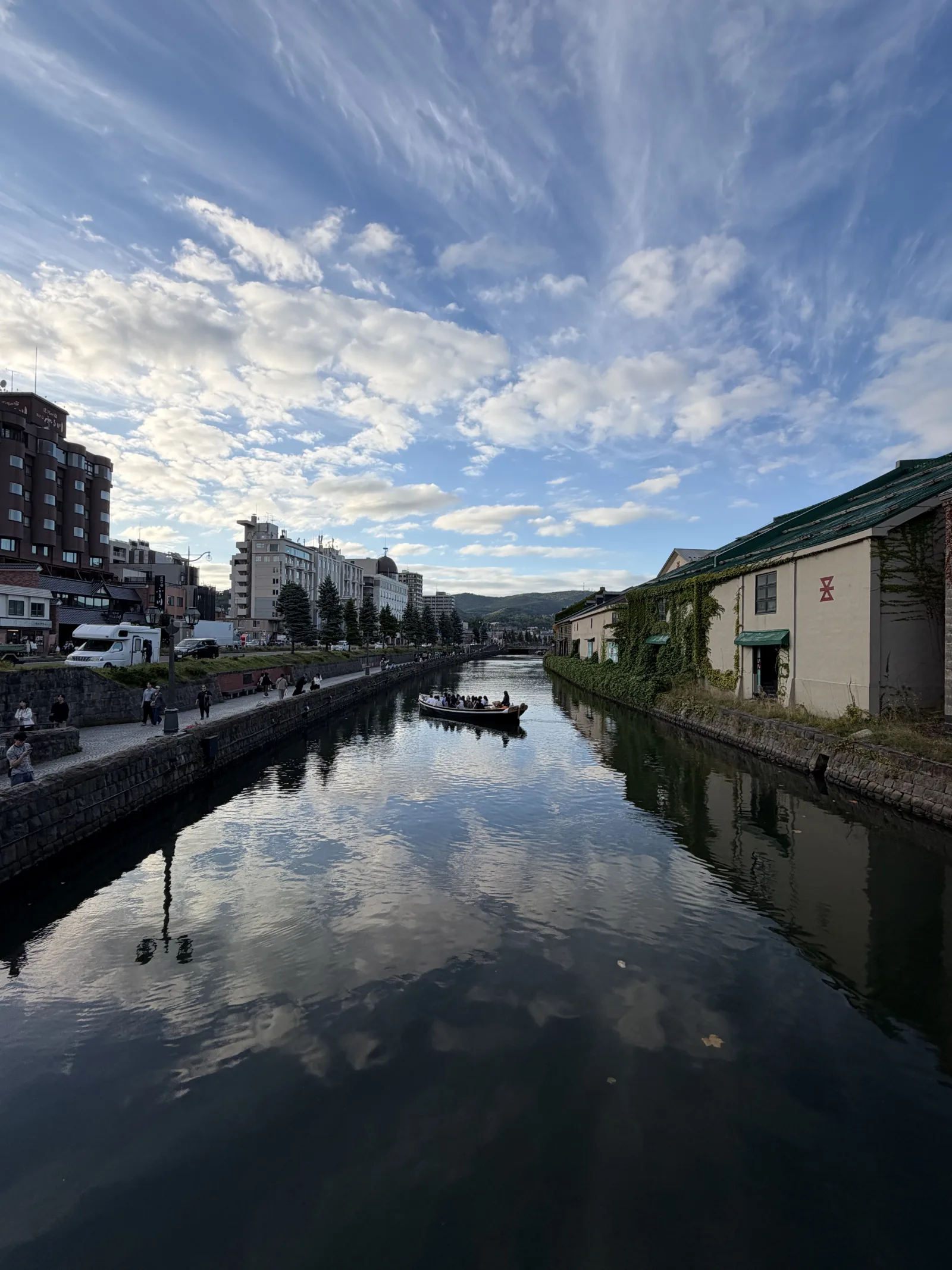
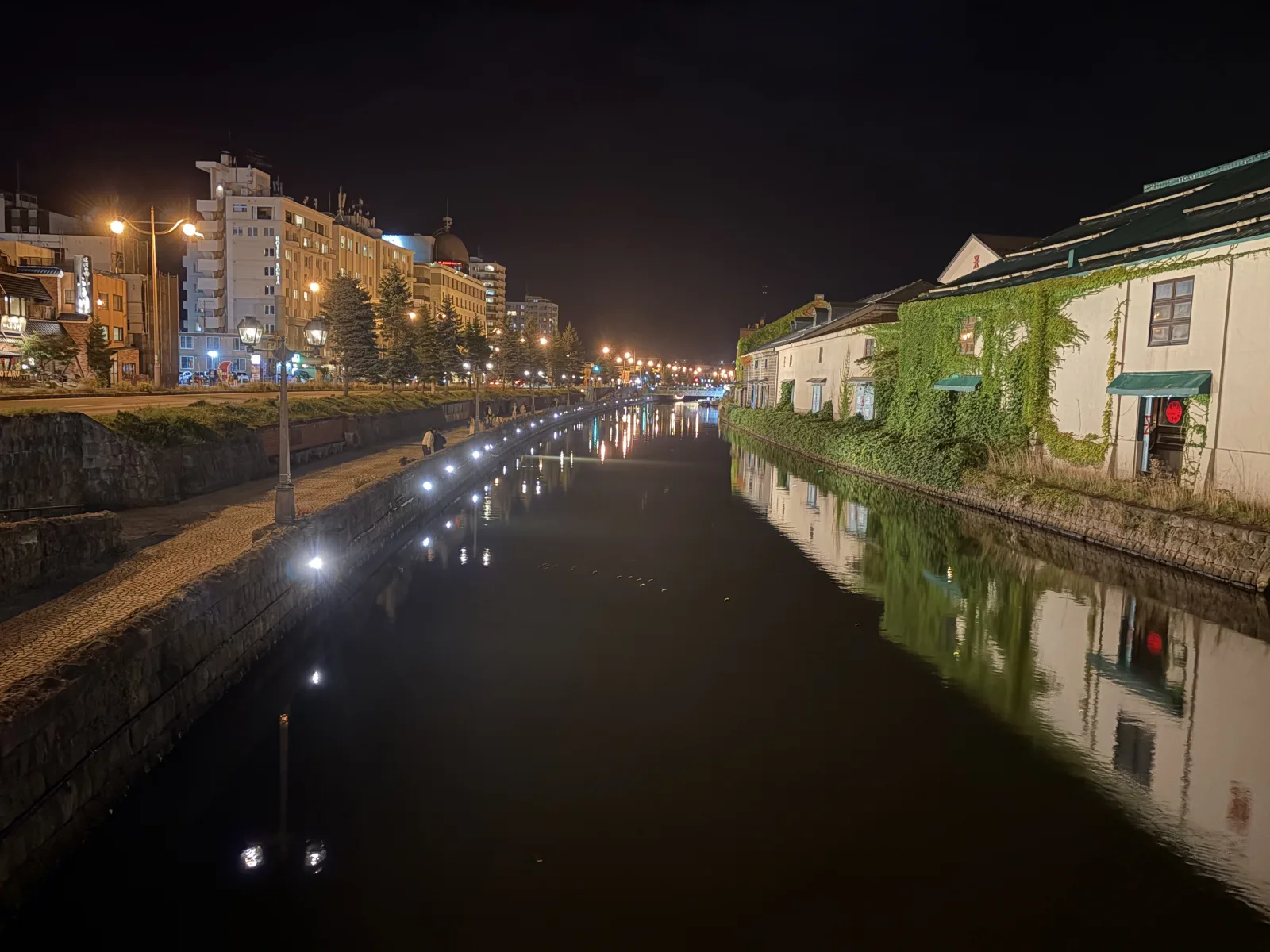
The canal is the natural introduction to Otaru’s warehouse-lined waterfront. Make it a walk rather than a single rushed photograph: notice the buildings, reflections and changing view from different points along the water. Daylight is useful for seeing details; an evening visit has a different atmosphere when lights reflect in the canal.
For a first visit, reserve a flexible 30–45-minute window for the canal area, with longer if photography is a priority. This is our suggested allowance, not a minimum required visit. Crowds, snow and your walking pace will change it. Keep entrances and the path clear when taking pictures.
A canal cruise is an optional paid activity, not something automatically included in a private car tour. If you want one, check the operator’s departure, boarding location, weather policy and availability before placing it between a restaurant reservation and a mountain visit. You can still enjoy the waterside without a cruise.
Decide early whether an evening canal view matters more than a sunset at Mount Tengu. Attempting both at precisely the same light can make a relaxed day feel rushed. A return to the canal is easiest when it is built into the route and vehicle hours from the start.
Sakaimachi Street: glass, music boxes and a proper browsing break
Sakaimachi Street is best treated as a sequence of small stops. Glass shops, music boxes and sweets make it easy to spend longer here than expected. Pick a few places you genuinely want to enter, then leave the rest as discoveries. Moving a group between every famous storefront often consumes more time than enjoying the shops.
Kitaichi Glass and Otaru Music Box Museum are useful names to research before the trip. Check the specific branch and any workshop reservation separately; shopping, a café visit and a hands-on activity have different time requirements. Admission to one area does not establish that every experience is free.
If shopping is important, protect a 60–90-minute block in your plan rather than filling it with extra sightseeing. Put fragile glass purchases in suitable packaging and ask how to carry chilled sweets back to Sapporo. A vehicle provides storage only within the agreed service arrangements; it is not refrigerated storage.
Confirm shop closing times for your date. A late afternoon arrival may still work for a canal walk but offer much less shopping time. In a winter plan, an indoor shop or café stop can also provide a useful warm break between outdoor sections.
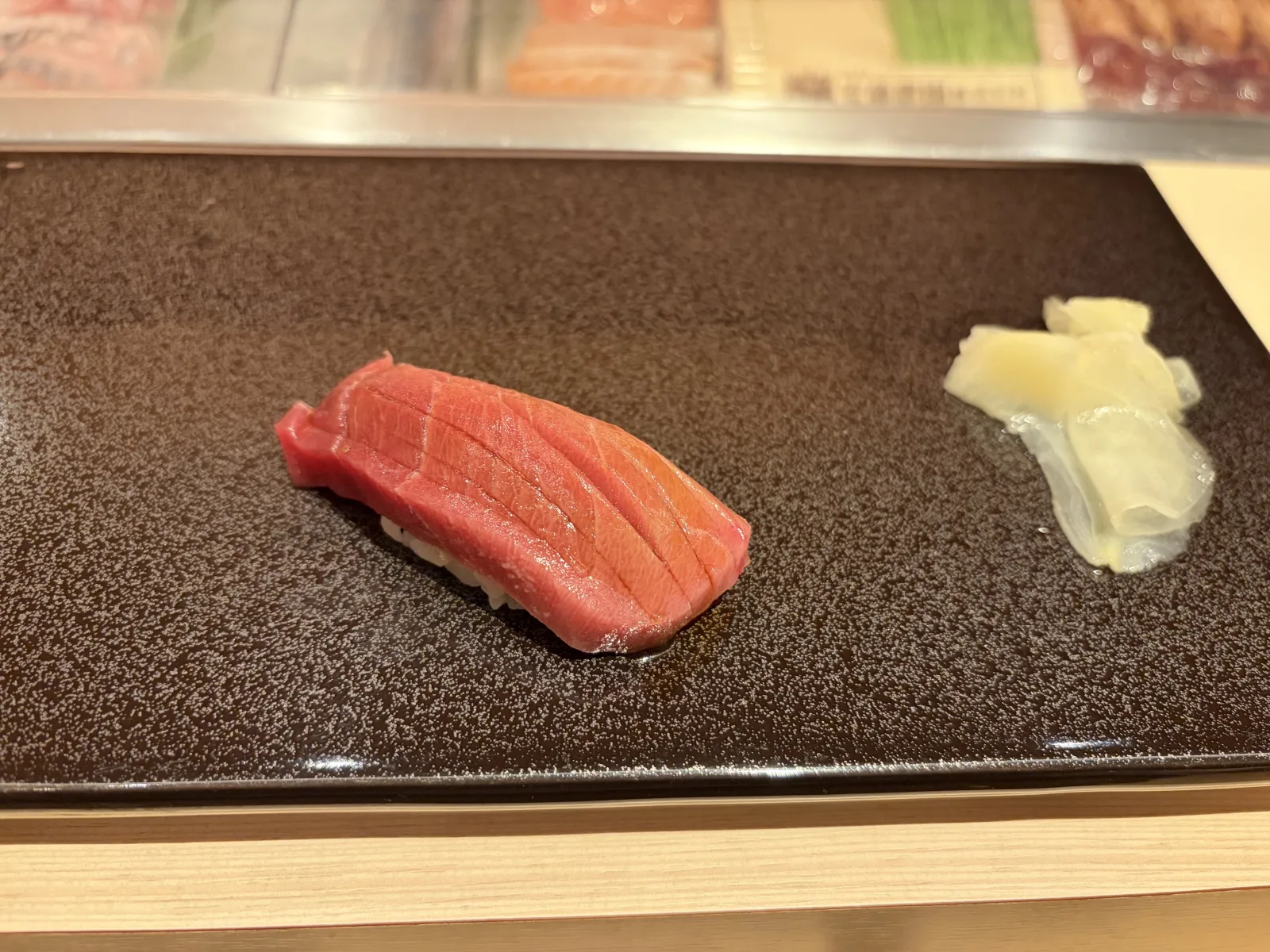
Sushi in Otaru, Takara Sushi and Kamaei pan rolls
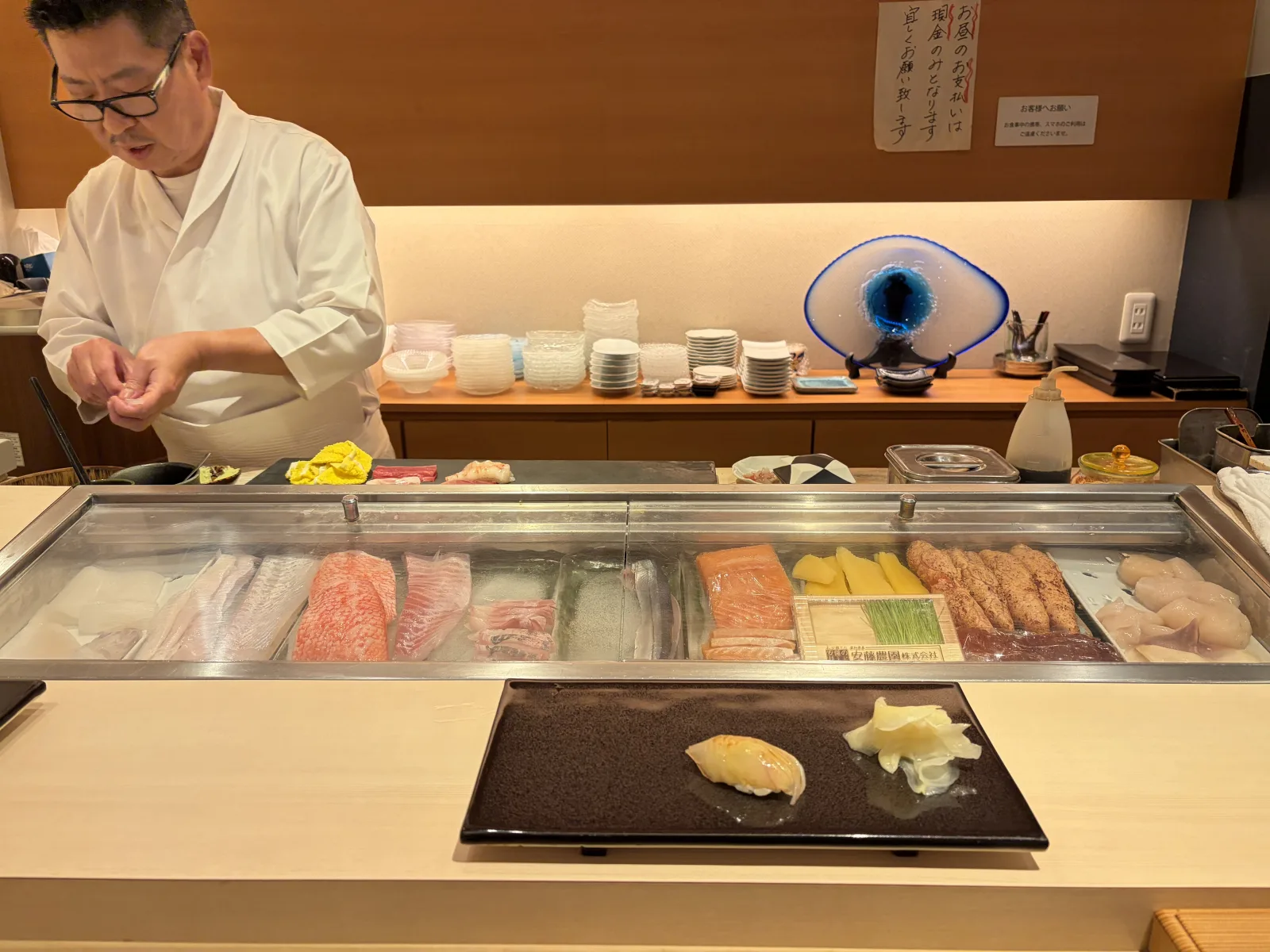
Make lunch a planned part of the day, not a gap squeezed between attractions. Otaru has many sushi restaurants, but counter seating, meal pace, children’s preferences and reservation requirements vary. Choose a restaurant that suits your group and tell it about allergies or foods you cannot eat when booking.
Takara Sushi: a restaurant to consider
Takara Sushi (宝すし) is one of HokkaVia’s suggested Otaru dining options. Ask about availability, the current menu and the expected time for your meal directly before you commit to a route. We do not promise a table, a fixed set price or a particular seasonal ingredient. If this restaurant is your main reason for visiting, secure lunch first and arrange sightseeing around it.
For children or guests who do not eat raw fish, check cooked dishes before arrival. Do not assume every sushi restaurant has a broad cooked-food menu or can prepare every dietary request. Seafood also does not automatically make a meal halal: sauces, seasonings, other ingredients and preparation need checking individually.
A smaller stop: Kamaei
Kamaei’s pan roll is a distinctive local snack made by wrapping fish paste in bread and frying it. Treat it as a snack stop rather than a second full lunch. Check the current ingredient and allergen information at the shop, particularly if avoiding meat, wheat or egg. The company recommends enjoying its pan rolls through its shops rather than assuming they can be shipped home.
For the itinerary below, allow approximately an hour for lunch as a starting point, then adjust to the restaurant’s advice. A leisurely course can need more time. Keep café and sweet-shop stops flexible so a queue does not jeopardise the return journey.
Mount Tengu: ropeway, views and weather decisions
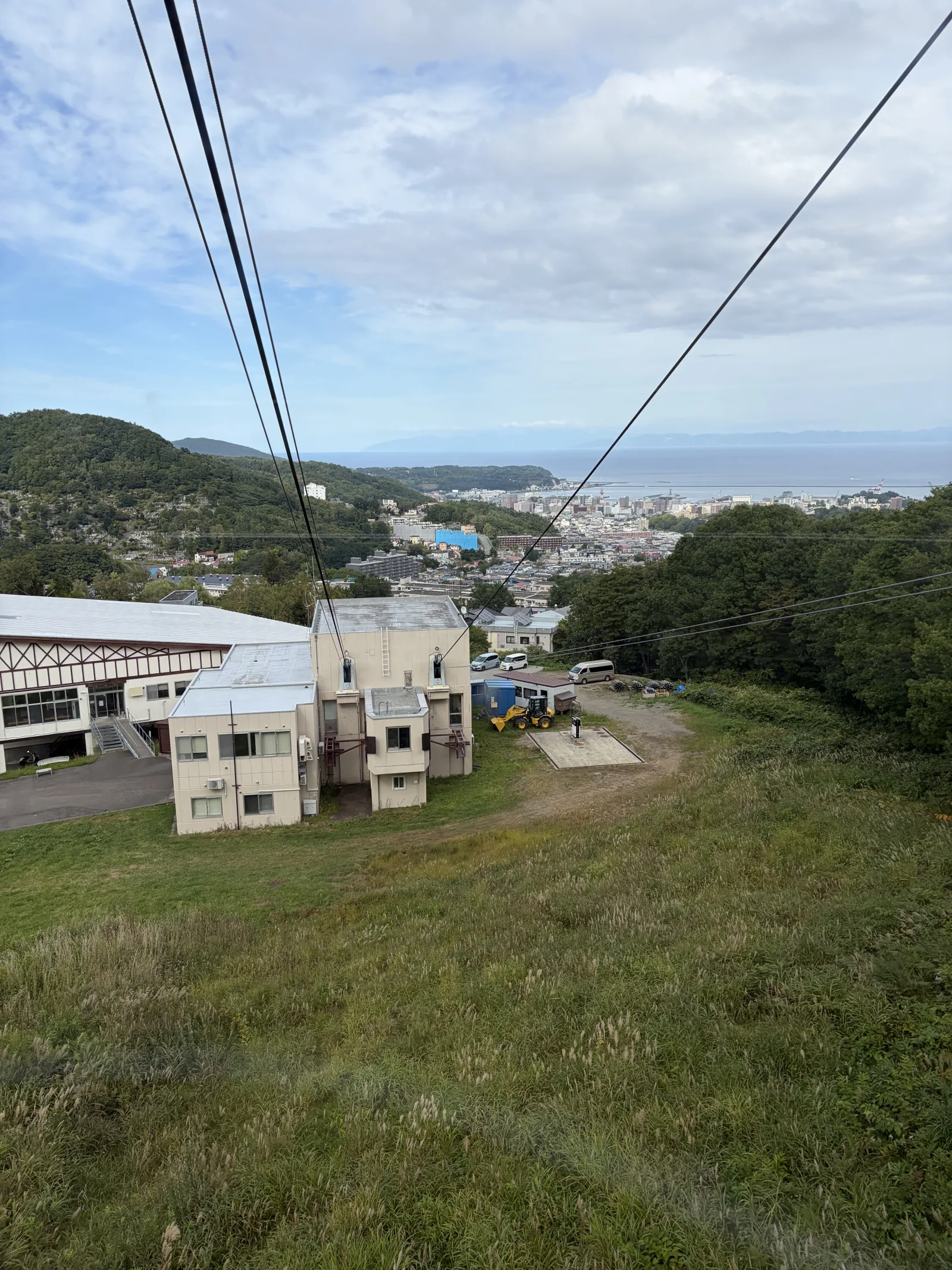
Mount Tengu—Tenguyama—is outside the compact canal and shopping circuit. Its value is the wider view over Otaru and the coast, so visibility should influence whether you go. Check the day’s operating notice before travelling to the base; wind, maintenance and other conditions can change plans.
The official access page places the local bus ride from Otaru Station at roughly 20 minutes and identifies route 9 from terminal stand 4. Verify the current departure and stop information on your date. This is only the bus journey: add waiting, ropeway queues and time at the top. A private car connects directly to the base but the ropeway and summit visit remain separate activities.
Check the seasonal ticket and operating dates
The operator currently lists adult return ropeway fares of ¥1,800 for summer and ¥2,000 for winter. The published 2026 summer season ends on 3 November; the 2026–27 winter season begins on 28 November. Do not assume normal operation between those seasons. These details were checked on 19 October 2026; use the official operating calendar and fares when booking.
Allow a flexible 90–120-minute block for the mountain visit and local connections from central Otaru, with extra time for a busy sunset period or activities. It is a planning allowance, not a guaranteed completion time. If clouds hide the view, a longer café break or more time in town may be a better use of your afternoon.
A night view does not require you to add every summit activity. Choose the view you want and confirm your return transport before going up. In winter, take a warm layer for the summit even when the car or train was comfortable.
A full-day Otaru itinerary from Sapporo
This example uses a private-road itinerary with a Sapporo hotel departure and return. It is a starting point for a quote, not a fixed operating schedule. By train, replace the hotel-to-town legs with the actual departures and allow for local connections to the mountain.
| Approximate target | Private-day example | If the day runs late |
|---|---|---|
| 09:00 | Sapporo hotel pickup | Keep the first arrival estimate flexible |
| Around 10:00 | Canal and central Otaru | Limit repeated photo stops |
| Late morning | Selected Sakaimachi shops | Choose the shops that matter most |
| 12:00–13:00 | Reserved sushi or another suitable lunch | Protect enough time to eat |
| Early afternoon | Finish browsing or take a short café/snack break | Remove the extra shopping loop |
| Around 14:30–16:00 | Mount Tengu block, subject to operation and visibility | Replace with town time if unsuitable |
| Around 17:00–18:00 | Return to Sapporo hotel as agreed | A later night view needs different service hours |
The early evening return leaves room within a ten-hour vehicle booking if the route runs as agreed. A longer sunset or night-view visit needs its own service-hour check. Do not assume an evening attraction can be added without affecting overtime, dinner or the return connection.
What to remove if lunch takes longer
Keep the main experience you chose and cut the weakest addition. If the sushi meal is the highlight, remove an extra shopping loop rather than eat in a hurry. If Mount Tengu is essential, choose fewer shops and confirm the mountain operation before setting off. If the group is tired, skip the mountain and enjoy the centre at a gentler pace.
A full day does not need a second outlying destination. Shukutsu, an aquarium visit, Yoichi and a distillery programme all need meaningful time and their own opening or reservation checks. Put one of those in place of the mountain if it is the priority, rather than placing all of them after the canal.
Tell us the hotel, number of people, luggage and two priority stops. We can assess a private Otaru day with clear pickup and return times. Meals and ropeway tickets are separate unless specifically included in the written quote.
Two gentler alternatives: short visit or family pace
Compact central visit: travel to Otaru, walk the canal, choose a lunch and browse part of Sakaimachi before returning. Leave Mount Tengu for another trip. This suits an afternoon arrival or travellers who want one town experience without a long day. Check whether your chosen shops will still be open; do not rely on a late seafood lunch being available everywhere.
Family and slower-walking visit: arrange a comfortable arrival, take a shorter canal walk, have an early planned lunch and use one or two indoor stops as rest points. Add the mountain only if everyone has energy and the weather is worthwhile. For some groups, less walking and a longer café stop are more valuable than completing the full list.
Share practical needs before requesting a vehicle: children’s ages, child-seat requirements, folded pushchair dimensions, mobility aids and any limit on stairs or continuous walking. A large vehicle does not establish that an attraction or pavement is step-free. Tell us what assistance is needed so we can discuss the actual route.
For a broader trip with children or grandparents, our Hokkaido family travel guide covers luggage and easier daily pacing.
Winter, rain and clear summer days: adapt the same route
In warmer months, the central walk can be longer and the mountain visit can follow a more generous lunch. Still carry a layer for a breezy waterfront or summit. A clear forecast is helpful, but it does not guarantee visibility at a particular hour.
In winter, shorten exposed walking sections and put warm breaks into the schedule before anyone becomes cold. Wear suitable footwear and allow extra time on snow or ice. Daylight and seasonal operating hours may make an earlier mountain stop more useful than following a summer timetable unchanged.
For rain or poor summit visibility, focus on the canal when conditions ease, then choose shops, a café and a longer meal. Keeping a second indoor choice makes the day easier to adapt. A private car helps between stops, but it cannot make outdoor paths dry or restore a closed ropeway.
If visiting for a winter festival or special illumination, verify the organiser’s dates for your year. Do not assume that an event runs throughout February or that ordinary attraction hours apply on event days. Our Hokkaido winter driving guide explains why road-based plans need extra flexibility.
Otaru day-trip costs: individual fares or a shared private car?
For a train-based day, add return rail fares, lunch, mountain transport if wanted, ropeway tickets and any shopping or activities. Check the total in the official booking or timetable tool for your date and seat choice. An old blog fare may omit a reserved-seat supplement or a local bus connection.
For a private day, HokkaVia publishes the Otaru/Yoichi-area prices below for a vehicle with driver, pickup and return in Sapporo and up to ten hours from pickup. These are starting vehicle rates, checked on 19 October 2026. The quote must confirm your stops, date, service period and luggage fit.
| Vehicle for the agreed group | April–November | December–March |
|---|---|---|
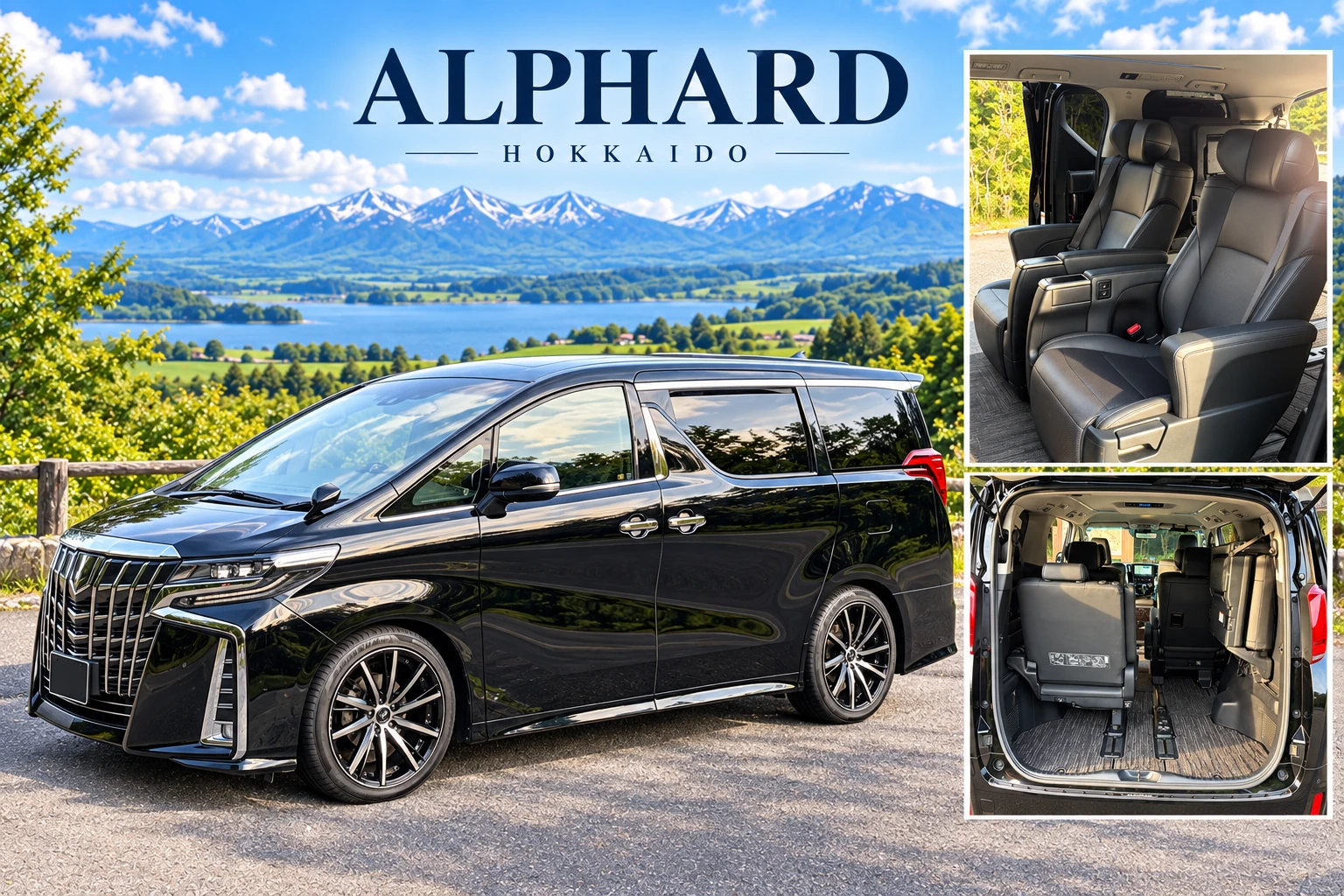
| Alphard | From ¥55,000 per vehicle | From ¥60,000 per vehicle |
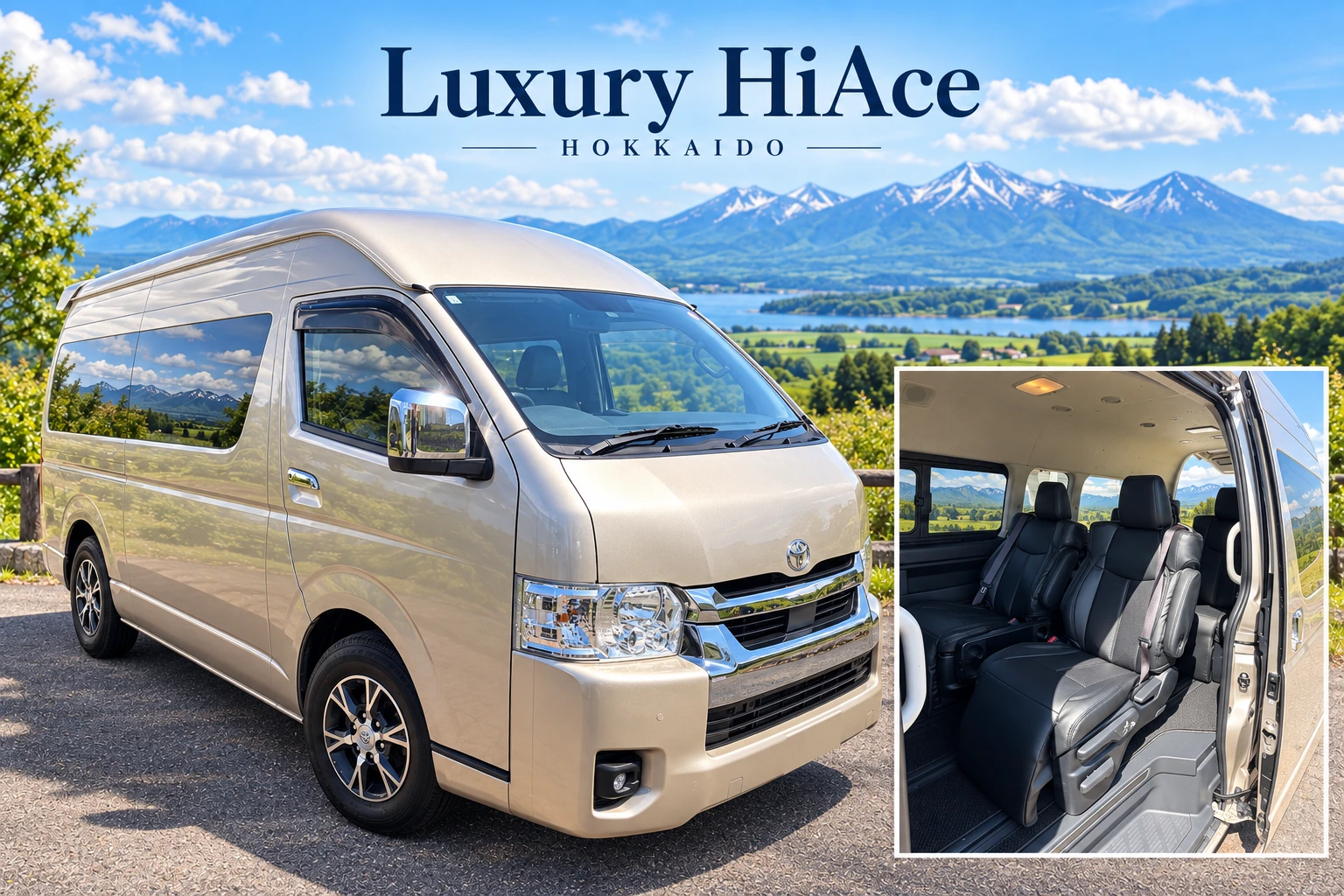
| HiAce | From ¥65,000 per vehicle | From ¥65,000 per vehicle |
The published sightseeing rate includes the driver, fuel, tolls and parking for the agreed route. It does not automatically include sushi, a canal cruise, workshops or the ropeway. A route called Otaru/Yoichi also does not promise every attraction in both places within the same hours.
For an April–November example, four guests sharing the ¥55,000 Alphard vehicle rate would divide it to ¥13,750 each before meals and tickets. The six-guest equivalent of a suitable ¥65,000 HiAce is about ¥10,833 each. These calculations show how sharing affects the vehicle cost; they are not individual rail fares or guaranteed capacities for every bag list.
Mount Tengu’s operator lists adult return ropeway fares of ¥1,800 in the 2026 summer season and ¥2,000 in the 2026–27 winter season. Use the official seasonal ticket page for child rules, operation and updates. That ticket is separate from the private car.
Overtime is published at ¥5,000 per thirty minutes. Before booking, confirm the planned finish and any child-seat requirements, payment currency and cancellation conditions. Compare the same itinerary with each operator. A lower car price with fewer hours or different inclusions may not describe the day you want.
HokkaVia published sightseeing rates and terms, checked 19 October 2026.
When to book an Otaru private tour with HokkaVia
Book a private vehicle when it solves a real part of your day: pickup away from Sapporo Station, carrying suitcases between hotels, reaching the ropeway base without changing local transport, or allowing a family to shorten the walking. If two adults only want the canal and lunch, a train-based visit may be the straightforward choice.
HokkaVia can arrange an Alphard or HiAce with a private driver for a route agreed around your group. We can discuss the order of the canal, lunch, Sakaimachi and a weather-dependent mountain visit before travel. English planning support helps make the request clear; confirm any need for a fluent sightseeing guide separately from the vehicle-and-driver service.
Send the bag list as well as the passenger count. Four people with large cases, a stroller and child seats need a different capacity assessment from four people with daypacks. Confirm the seating, restraints and allocated vehicle before treating an advertised passenger maximum as your booking specification.
A direct hotel transfer is also different from a sightseeing day. If you are changing hotels and want lunch or several stops on the way, list them in the enquiry. The quote should state where the service starts and finishes, what waiting time is included and which meals or tickets are separate. You can use the form near the beginning of this guide or return to the Otaru enquiry form.
Can Otaru fit into a longer Hokkaido itinerary?
Otaru can be a day trip from a Sapporo base or part of a hotel-to-hotel journey. For a first visit, returning to the same Sapporo hotel keeps packing and luggage simple. An overnight in Otaru gives more room for an evening canal walk and an unhurried dinner, but it also creates a hotel change.
A two-day idea is Sapporo → Otaru sightseeing and overnight → a relaxed return to Sapporo. A three-day journey could combine a Sapporo day, an Otaru day and a separately planned onward transfer or countryside excursion. These are planning structures, not fixed packages; check the geography and service hours before adding destinations.
Do not bolt Furano–Biei onto the end of an already full Otaru sightseeing day just because both are popular from Sapporo. They involve different directions and substantial travel. Browse the model itineraries and choose a route that protects time at the places that matter to you.
What to send for a useful Otaru tour quote
Send the travel date, Sapporo pickup address, final destination, adults and children, children’s ages, luggage and your two main priorities. Mention any restaurant reservation and whether you want Mount Tengu by day or an evening view. If your date is flexible, list the alternatives rather than leaving the date unspecified.
- State your preferred pickup and latest finish time.
- List the stops you consider essential and the ones you would happily skip.
- Describe walking limits, child seats, dietary needs and large bags.
- Ask for the vehicle, service hours, inclusions and extra-charge rules in writing.
- Agree a weather alternative and the cancellation or amendment terms.
A useful itinerary leaves room for the day itself. Once the main timings are agreed, keep a shop or snack stop optional. Use the enquiry form to request a route-specific proposal; submitting it is an enquiry, not confirmation of a vehicle or restaurant booking.
What to check on the morning of your Otaru day trip
Check the chosen train or pickup time, the restaurant booking and the mountain operating notice. If the ropeway is closed, the central walking route can still work; make the change before spending time on the separate mountain connection. Check the weather for Otaru rather than assuming Sapporo’s conditions are identical.
Agree on a lunch fallback and a realistic meeting point after shopping. Let the driver know if the group may divide temporarily between a café and shops, and keep the return meeting time clear. On a train day, choose the practical return service before arriving at the platform with tired children and shopping bags.
For winter, take footwear suited to slippery walking surfaces and plan warm breaks. A car reduces some outdoor connections, but the canal, shopping street and summit can still involve cold or uneven paths. If the day needs to become shorter, the central route and a good meal are enough to make the visit worthwhile.
Otaru day trip: frequently asked questions
Can you do Otaru as a day trip from Sapporo?
Yes. The centre suits a day visit. Add hotel connections to the intercity journey and keep a full day if including a leisurely lunch and Mount Tengu.
How long does the train from Sapporo to Otaru take?
Plan roughly 35–50 minutes between stations depending on the service, then check the actual JR Hokkaido timetable. Hotel connections and sightseeing are additional.
Is a half day enough for Otaru?
A focused canal walk, meal and part of Sakaimachi can work. Trying to include the mountain as well can make a short visit rushed.
Do I need a private car in Otaru?
Not necessarily. Central sightseeing can suit public transport and walking. A car is useful for luggage, hotel pickup, several generations or the mountain connection.
Should I use Otaru or Minami-Otaru Station?
Otaru works for the canal and mountain bus connection. Minami-Otaru can suit starting by southern Sakaimachi. Check your train stops and actual walking route.
Is Mount Tengu open every day?
Do not assume so. Seasonal schedules, maintenance and weather affect operation. Check the operator for your date and again before visiting.
Is the ropeway included in a private tour price?
Only if your written quote explicitly includes it. Confirm tickets, meals, parking, tolls and waiting separately.
Can I visit Otaru in winter or rain?
Yes, subject to conditions and operating notices. Shorten exposed walks, include warm indoor breaks and keep a substitute for a poor-visibility mountain visit.
Are the restaurants in this guide halal?
No halal certification is claimed. Seafood alone does not establish suitability; check ingredients, sauces and preparation directly before choosing.
Can the day end at New Chitose Airport?
Ask for a specific route and quote with your flight information. It changes the driving and service hours, and sightseeing must leave a conservative airport buffer.
Planning sources and date
Reviewed by the HokkaVia planning team. Updated 19 October 2026. Timetables, fees and operating conditions can change; use the linked operators for your travel date. Itinerary time blocks and shared-car calculations are our planning examples.
Attraction details and road conditions change. The official links below are useful for checking your travel date; route and vehicle availability are confirmed in a written quote.