HOKKAVIA · 21
Hokkaido 7-Day Itinerary: Cities, Countryside & Onsen
A week gives you time for city food, northern countryside and a lakeside onsen stay—if the hotel nights and long drives are planned together. This route starts and ends at New Chitose Airport, with six nights and space to change plans when the weather does.

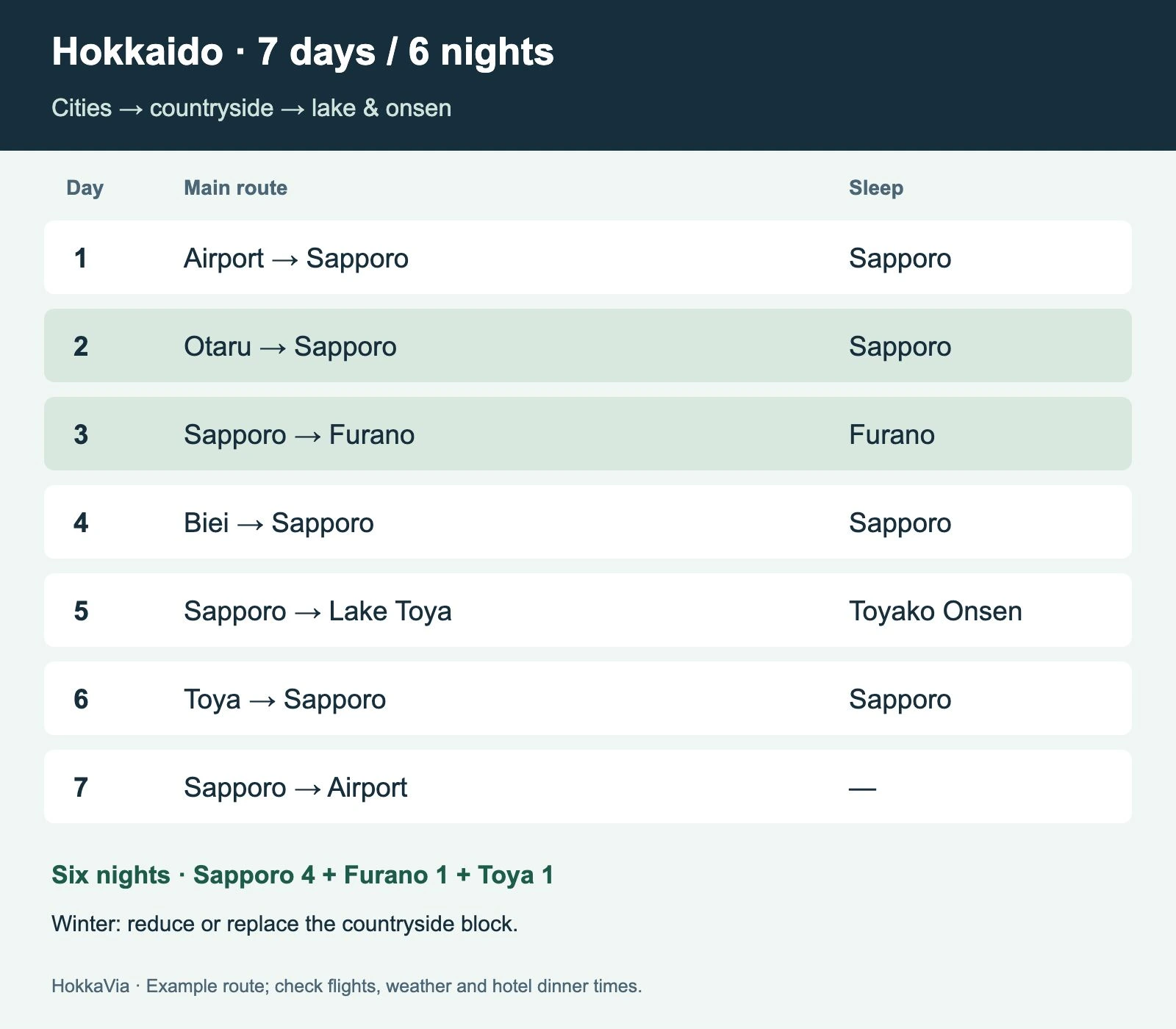
The route and the six-night hotel plan
This is a central and southwestern Hokkaido trip: Sapporo and Otaru for city walks and food, Furano–Biei for countryside, and Lake Toya for one unhurried onsen evening. It suits a first visit that values variety without trying to cross the whole island. It is an itinerary example, not a fixed package with admission, meals or accommodation included.
| Day | Main plan | Sleep |
|---|---|---|
| 1 | New Chitose Airport → Sapporo; easy city evening | Sapporo |
| 2 | Otaru day trip → Sapporo | Sapporo |
| 3 | Sapporo → seasonal stops around Furano/Nakafurano | Furano |
| 4 | Biei/Shirogane → Sapporo | Sapporo |
| 5 | Sapporo → Lake Toya; early ryokan arrival | Toyako Onsen |
| 6 | One Toya-area activity → Sapporo | Sapporo |
| 7 | Sapporo → New Chitose Airport | — |
There are four Sapporo nights in three booking blocks: nights 1–2, night 4 and night 6. Keep that distinction on your hotel list. The return to Sapporo on day 4 deliberately breaks the long north-to-south move; it also gives you a city evening before the lake stay. The trade-off is another hotel check-in. If unpacking is the main concern, use the fewer-moves alternative below.
Days 1–2: arrive in Sapporo and explore Otaru
Day 1: make arrival a light day
Allow for immigration if applicable, baggage collection, the walk to transport and hotel check-in before planning sightseeing. JR Hokkaido advertises the fastest airport-to-Sapporo train at 33 minutes; that is station-to-station, not landing-to-hotel. A private transfer can be useful with children or several suitcases, while the train works well for a hotel with an easy station approach.
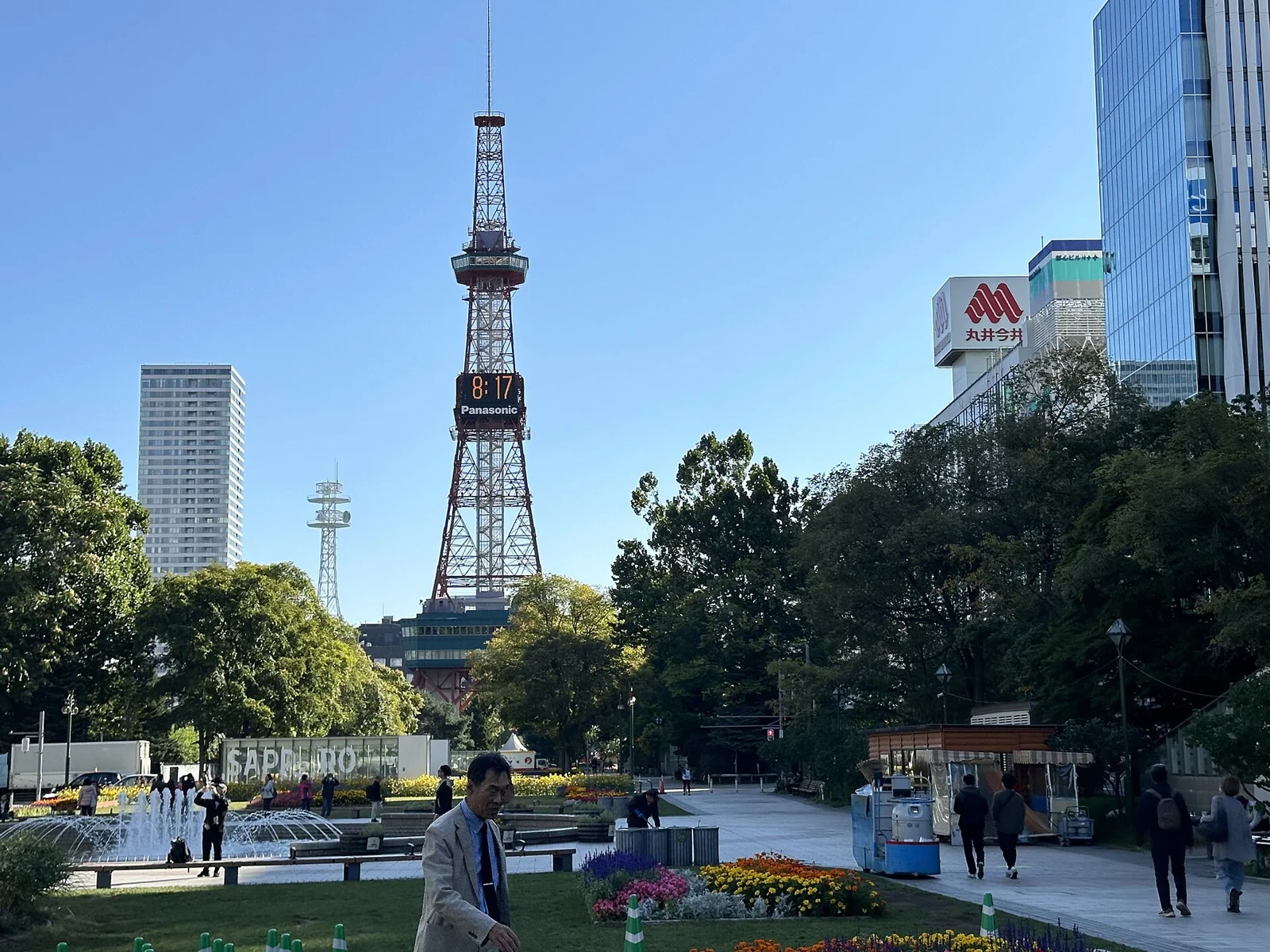
After checking in, choose Odori Park and a nearby dinner, or one compact shopping area. A late flight should mean dinner near the hotel, rather than a promised mountain night view. For long-haul arrivals from the US or Australia, keep this evening especially flexible; connecting flights and fatigue can change the useful time on the ground.

Day 2: Otaru without a hotel move
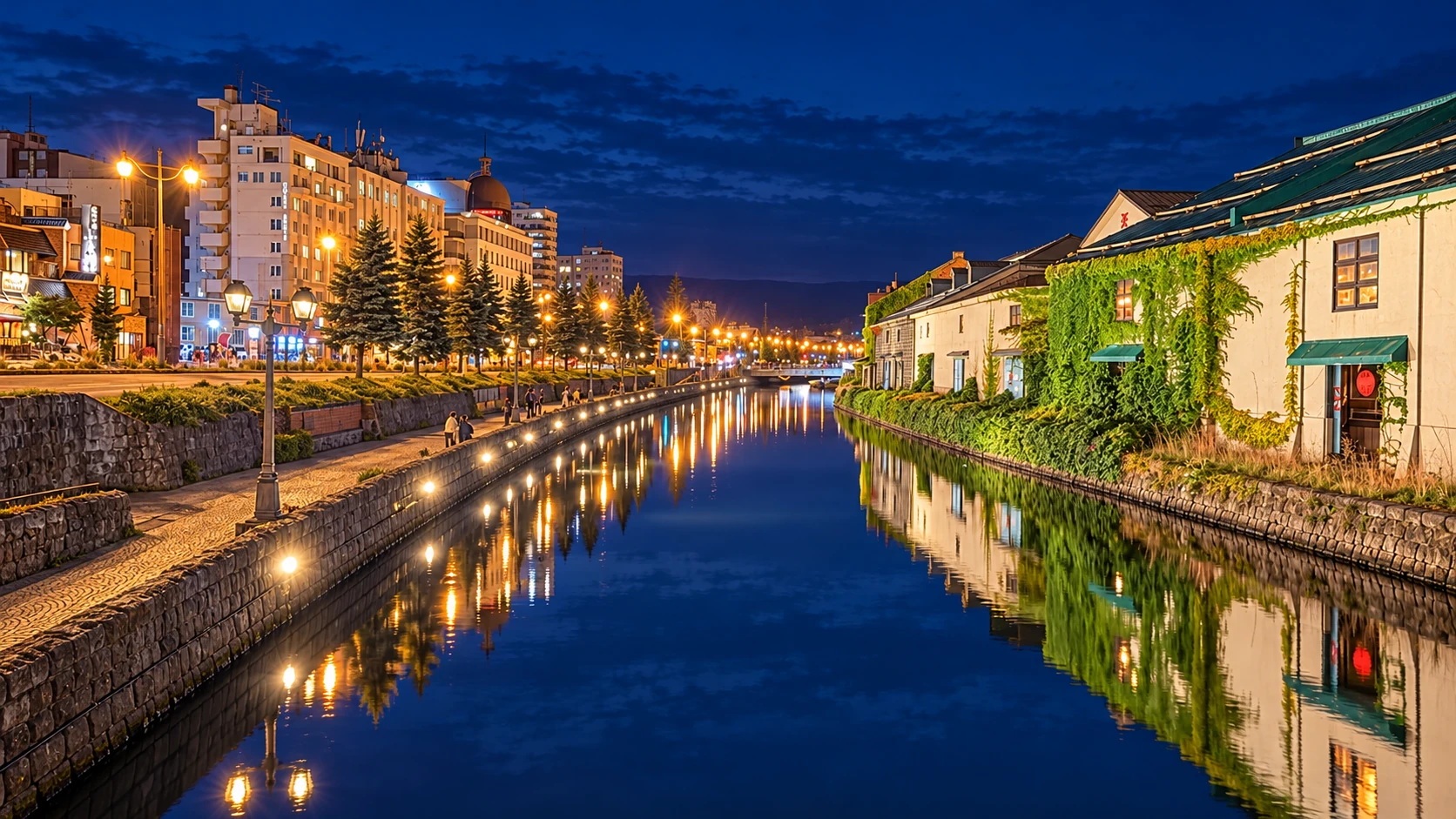
Choose a canal walk, lunch and Sakaimachi Street as the core. Allow a full day if your party likes glass shops, music boxes or cafes, but use the same Sapporo hotel. JR suits travellers happy with walking between stops; a car makes more sense when the walking distance, a stroller or the weather changes the plan.
Yoichi and the Nikka distillery are an optional substitution for part of Otaru, not an automatic extra before every shop and viewpoint. Check visitor arrangements for your date. See the Otaru tour ideas for a dedicated Otaru–Yoichi day. A full ski day is another separate choice: replace a day rather than squeezing it into this afternoon.
Days 3–4: Furano and Biei with one countryside night
Day 3: Sapporo to Furano
Set aside roughly 2½–3½ hours of travel and rest time before counting visits, with more time in congestion, snow or poor visibility. This is a planning window, not a fixed driving promise. Start after breakfast, make a comfort stop and choose two main visits around Furano or Nakafurano. In flower season, Farm Tomita plus a nearby stop is more useful than a list spanning the whole district.
Check the hotel location before choosing the last attraction. A hotel in Furano town and one in the surrounding resort area have different evening access. If dinner is included, work backwards from its final seating. Do not leave luggage visible in an unattended vehicle; agree how bags will be handled during visits.
Day 4: Biei, then back to Sapporo
Choose a permitted countryside viewpoint and either Shikisai-no-oka or the Shirogane area according to the season and your interests. The Blue Pond, Shirahige Waterfall, farm scenery and a long cafe lunch cannot all be treated as quick roadside photographs. Agree two priorities and leave one optional. Plan roughly 3–4 hours for the return travel and breaks from the Biei area; actual conditions and hotel location decide the timing.
Farm Tomita lists the Irodori Field’s usual best viewing period as mid-to-late July. This does not mean every field has the same peak or that winter offers summer flowers. The flower photograph below shows Shikisai-no-oka, a different attraction. Biei’s hills are working farmland: stay in permitted visitor areas, including when fields are covered by snow, and never walk onto Blue Pond ice.
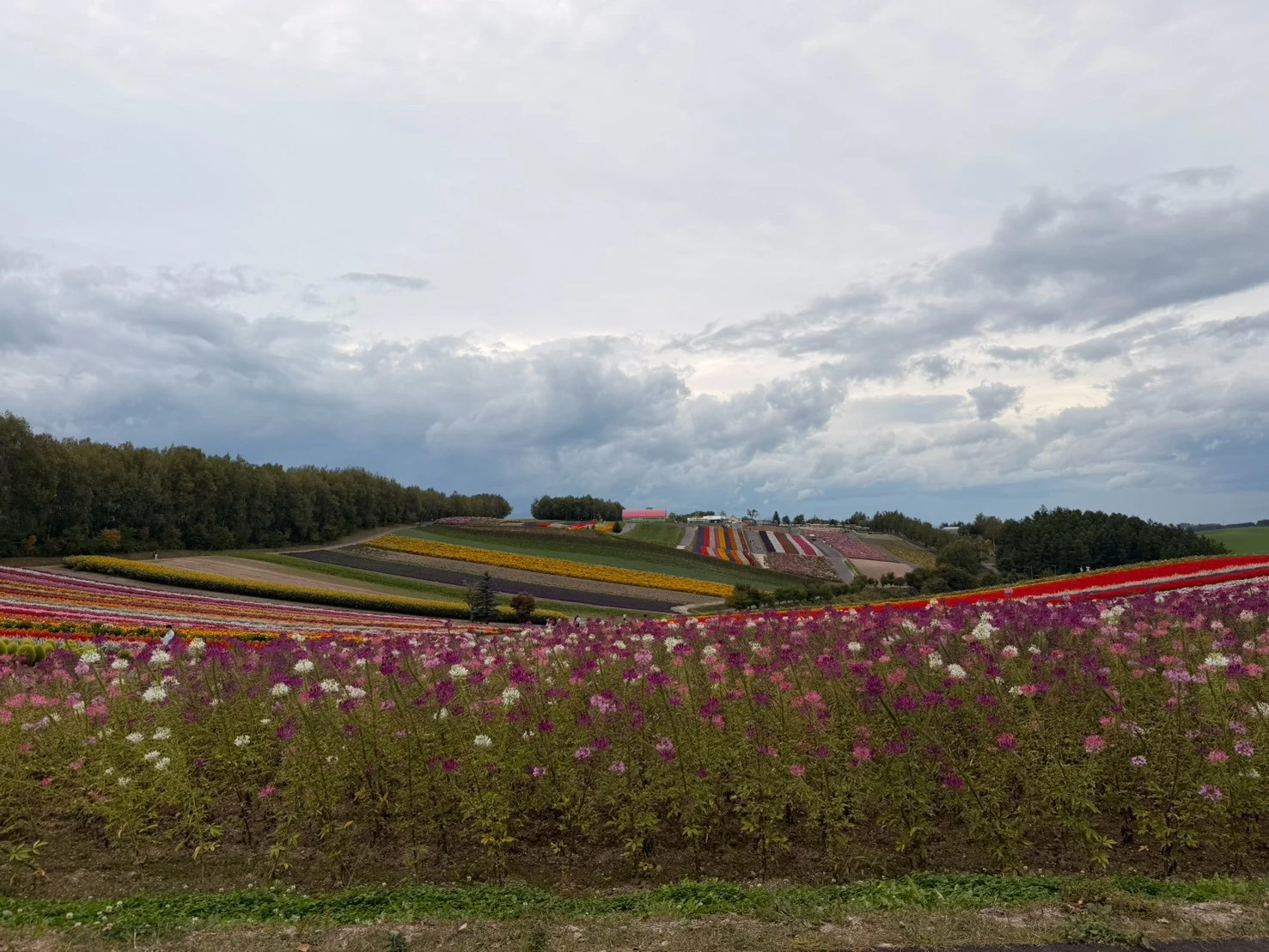
For stop selection and seasonal rail limitations, use the Furano–Biei destination guide and the five-day itinerary. Do not assume a seasonal sightseeing train will operate on your winter date or on a future year’s schedule.
Days 5–6: Lake Toya and an onsen night
Day 5: reach the ryokan before the evening becomes rushed
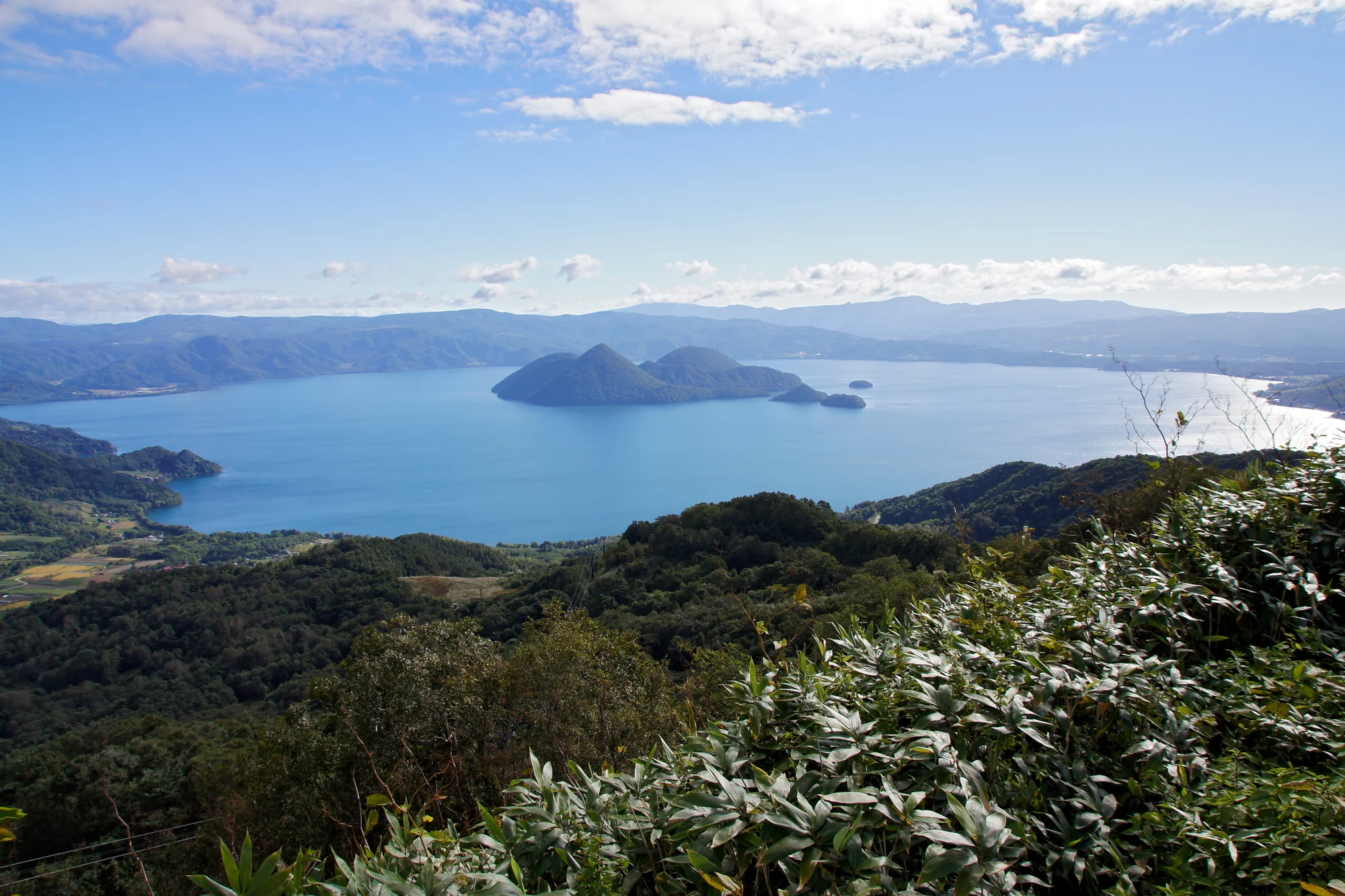
Travel from Sapporo after breakfast and keep one main viewpoint or lakeside stop. The local tourism association gives about 2 hours 10 minutes for the drive via Route 230; for a sightseeing transfer, reserve a larger window—roughly 3–4 hours including a break and one visit in ordinary conditions. Snow, a pass closure or a longer route can change this substantially.
Silo Observatory is an option when visibility and access are suitable. Lunch at Boyotei or another local restaurant needs time for queues and its actual closing days; a named restaurant is not a reservation guarantee. Aim to reach the ryokan in mid-afternoon, then enjoy its bath and the dinner you have booked. Confirm the exact arrival deadline directly with the accommodation.
Day 6: choose one local activity, then return
Choose Usuzan Ropeway in suitable conditions, a Lake Toya cruise, or the Volcano Science Museum as an indoor alternative. For the ropeway, allow around 90–120 minutes for tickets, queues, the ride and walking rather than budgeting only the short cabin ride. Wind and maintenance can affect service. The operator lists an adult round trip at ¥2,000 on the check date; recheck before booking.
After lunch or a short final lakeside stop, return to Sapporo with a break. This final city night avoids making a long lake transfer the main connection to an international flight. An early departure may still justify an airport-area hotel instead—check its terminal transfer and first shuttle, rather than assuming every airport hotel is walkable. More choices are in the Lake Toya guide.
Day 7: protect the flight home
Start with the airline’s check-in and baggage deadlines, then add hotel-to-terminal travel, station walks or vehicle loading and a disruption buffer. Flight time is not the time you should leave Sapporo. Identify the correct domestic or international terminal and share the flight number when requesting a transfer.
A late flight may allow a relaxed breakfast or one nearby errand. A long last-day excursion to Furano, the lake or an outlet with tight timing defeats the purpose of the final Sapporo night. Do major souvenir shopping earlier and keep valuables, medication and travel documents in your cabin bag.
If you shorten arrival or departure time because of a connection, the itinerary has fewer usable sightseeing hours even though it still spans seven dates. Put both flights into the plan before confirming the countryside hotel. See airport transfer route guides for the relevant arrival and departure links.
JR, private car or a combination?
| Choice | Useful for | Check before booking |
|---|---|---|
| JR, subway and local buses | Sapporo, Otaru and travellers comfortable with station walks | Transfers, operating dates, last connections and luggage handling |
| Private car with driver | Furano–Biei visits, hotel-to-hotel travel, a group needing shorter walks | Daily hours, exact vehicle, bag sizes, driver lodging and waiting |
| Mixed transport | City days independently; car on days 3–4 and/or 5–6 | Pickup/drop-off towns and separate airport arrangements |
A train station is not always the attraction. JR Toya Station requires a further bus or taxi to the lakeside onsen area. The Sapporo–Toyako Onsen bus is fully reserved; Donan Bus lists about 2 hours 45 minutes and an adult one-way fare of ¥3,700 on the check date. Confirm your stop, date and service before committing a hotel dinner time.
A rail pass is not automatically economical for this route. Compare the actual individual journeys and pass eligibility; do not assume every local bus is included. For Furano and Biei, map the station-to-attraction legs and the return service rather than copying a car route into a rail timetable.
With a private car, seven holiday days do not require seven full charter days. City days can be independent. Ask whether separate two-day countryside and lake arrangements make sense, including any driver repositioning or overnight costs. Drivers use everyday conversational English and translation apps; the planning team provides English support. A fluent tour guide or a driver speaking your preferred language needs separate confirmation.
Hotel changes, luggage and the onsen stay
Book the six nights on a calendar before choosing attractions. In Sapporo, compare the real walking route from the station, lift access and taxi loading space. In Furano, decide whether the evening will be spent in town or at the hotel. At Toya, a hotel described as “near the lake” may not be on the onsen promenade; give us its full name and address.
If returning to the same Sapporo hotel, ask whether it will store your larger bags between separate reservations. Storage is not automatic, and some travellers will need every bag on the countryside transfer. Send suitcase counts and dimensions, stroller details and mobility equipment before a vehicle is allocated. Passenger capacity and luggage capacity are different limits.
For a ryokan, confirm whether dinner and breakfast are included, the last dinner seating, bedding, children’s meal arrangements, stairs and bath access. Wash before entering a communal bath, follow its clothing rules and check tattoo policies. A private or in-room bath may suit a family’s privacy needs, but room type, booking and any supplement must be verified with the property. “Onsen hotel” does not guarantee a private bath.
Change the route for flowers, snow and short days
| Season or condition | Keep | Change |
|---|---|---|
| Summer flower trip | One Furano night and two selective countryside days | Check actual bloom; allow crowd and lunch time |
| Autumn or shoulder season | City food, views and the onsen stay | Check field closures, shorter opening hours and mountain weather |
| Winter | Warm city breaks, shorter outdoor stops, early hotel arrival | Reduce countryside stops or replace that overnight block |
| Poor weather | The overnight plan and safe return margin | Replace a viewpoint, cruise or ropeway with an indoor visit or rest |
A seven-day winter route should not be the summer route with white photographs. Roads, limited daylight and the time needed for coats and footwear reduce the number of useful stops. If countryside conditions are poor, replace days 3–4 with Sapporo-based visits and an earlier onsen stay, then recount the six nights. Do not travel north simply because the original hotel plan had a pin there.
Snow festivals and fireworks operate on particular dates, not throughout an entire season. Confirm the relevant event calendar for your travel year. A photograph of a flower field or a blue, unfrozen pond is a description of that scene, not a promise of what you will see on your date.
Children, older travellers and less walking
Choose the group’s comfortable walking time before deciding how many attractions to fit in. Give a lunch stop enough time for seating, toilets and a warm break. A shorter outdoor visit plus a good afternoon at the hotel can work better than a third viewpoint. Keep snacks, layers and essential medicines accessible rather than underneath the large cases.
Vehicles with an electric boarding step can be arranged for older travellers and anyone concerned about a high step. The driver can offer a hand and assist with boarding and alighting. Tell us your requirements before booking so the actual vehicle and access can be confirmed. A step and a helping hand do not establish wheelchair-lift capability, accessible attraction paths or medical assistance.
For child seats, share each child’s age, height and weight, as well as stroller dimensions. A rear-facing seat and several large cases affect vehicle fit. For walking aids or a folding wheelchair, give folded dimensions and explain whether the traveller can transfer to a vehicle seat. Discuss the hotel entrance and bath access separately from the car.
What a seven-day trip actually costs
Build the budget in separate parts: transport for the agreed route, guest accommodation and meals, admissions, and any driver overnight accommodation. There is no verified all-in seven-day price for this example. A day-tour starting rate should not be multiplied by seven and presented as an overnight package quote.
For context, HokkaVia currently lists an Alphard Biei–Furano or Lake Toya–Noboribetsu day tour from ¥65,000 in April–November and ¥70,000 in December–March, for up to 10 hours. Those are per-vehicle starting day-tour prices, not the price of this Furano hotel transfer or a two-day journey. The exact route, pickup/drop-off towns, date, vehicle and availability determine the written quote.
Current service information includes fuel, expressway tolls and parking for the agreed route; guest meals, admission and accommodation are separate. Overtime is listed at ¥5,000 per additional 30 minutes. If a driver needs to stay overnight, accommodation is listed from ¥15,000 per night depending on the area. Your guest hotel room does not include a driver’s room.
Confirm payment timing, inclusions, cancellation conditions and weather-related changes in your individual written quotation and booking confirmation. Conditions already agreed for a reservation remain applicable; this example does not introduce a new deposit percentage or cancellation rate. See the current price and service information and ask about any difference between the general page and your written terms.
Fewer hotel moves or a different priority?
Fewer moves: Sapporo four nights, Toya two
Stay in Sapporo for nights 1–4 and Toya for nights 5–6, then arrange the day-7 airport transfer to suit the flight. Choose at most one selective Furano–Biei day trip from Sapporo, or omit it in difficult winter conditions. Two consecutive long countryside round trips undo the benefit of staying put. An early flight may require moving the final night closer to the airport; revise the six-night list before booking.
Onsen first, or Hakodate first
For more onsen time, replace Toya with Noboribetsu rather than requiring both towns plus every countryside stop. For Hakodate, redesign the southern part of the week and consider different arrival/departure airports. Do not add Hakodate, Shiretoko or eastern Hokkaido as an “extra stop” to this central itinerary. Each changes the distances, nights and transport budget.
If you have only five days, use the five-day route. For a compact city-led trip, compare the three-day plan. More days should provide room for the trip you want, rather than only adding kilometres.
Ask for a route-specific written quote
Send your travel dates and flights, adult and child numbers, the six-night hotel list, luggage sizes, walking needs and your two or three essential places. Tell us which city days you want to arrange independently. Include dietary requirements and whether ryokan dinner is already booked, so lunch and arrival can be planned around real constraints.
HokkaVia is a service brand operated by LankaMe Japan Co., Ltd. Vehicle operations are carried out by transport operators holding the permits required under Japanese law. Ask us to confirm the vehicle, daily service hours, driver accommodation, inclusions and applicable written booking conditions before you decide.
Frequently asked questions
Is seven days enough for Hokkaido?
Yes for a selective central and southwestern route with Sapporo, Otaru, Furano–Biei and one onsen area. Seven calendar days include arrival and departure, so do not treat them as seven full sightseeing days.
Where are the six hotel nights?
Sapporo nights 1–2, Furano night 3, Sapporo night 4, Toyako Onsen night 5 and Sapporo night 6. The four Sapporo nights require three booking blocks unless you choose the fewer-moves alternative.
Why return to Sapporo between Furano and Toya?
It breaks the north-to-south move and avoids combining a full Biei sightseeing day with the long drive to a ryokan dinner. The trade-off is an additional check-in.
Do we need a charter car every day?
No. Compare JR or subway for city days and a private car for selected rural days or hotel transfers. Ask about separate service blocks, luggage handling and any driver overnight costs.
Can this itinerary be used in winter?
Use it as a framework, then shorten outdoor stops or replace the Furano overnight block when roads and daylight make it unsuitable. Check current transport and attraction operations.
Can we add Hakodate or Shiretoko?
Redesign the route and its airport and hotel plan rather than adding either as a quick stop. Both change the distances substantially; eastern Hokkaido usually warrants a different trip focus.
Are hotels, meals and entrance tickets included?
This is a planning example. Guest accommodation, meals and admission are separate from the published vehicle starting rates unless your written quotation explicitly includes them.
Can an older traveller have boarding assistance?
An electric-step vehicle can be arranged and the driver can offer a hand when boarding and alighting. Confirm the actual vehicle, walking and transfer needs before booking; wheelchair lifts and medical assistance are separate matters.
What should we send for a seven-day quote?
Travel dates, flight numbers, the six-night hotel plan, passenger and child-seat details, luggage dimensions, walking and dietary needs, essential stops and which days need a driver.
Sources and planning notes
Official transport, attraction and service information checked on 9 November 2026. Driving windows below are planning allowances, not guaranteed journey times. Recheck timetables, opening days, weather and your written booking conditions before travel.