HOKKAVIA · 20
Hokkaido 5-Day Itinerary: Sapporo, Furano, Biei & Otaru
Five days can bring together Sapporo, the countryside around Furano and Biei, and a day in Otaru. The practical way to do it is to give the countryside two connected days, keep the final nights in Sapporo, and treat your arrival and departure as travel days. Here is a four-night route to adapt to your flights, season and pace.
The five-day route and where to spend your four nights
| Day | Main plan | Hotel night |
|---|---|---|
| 1 | New Chitose Airport → Sapporo; an easy city evening | Sapporo |
| 2 | Sapporo → Furano / Nakafurano; choose a few seasonal stops | Furano |
| 3 | Biei / Shirogane → Sapporo; leave a proper return-driving block | Sapporo |
| 4 | Otaru Canal, Sakaimachi and lunch; return to Sapporo | Sapporo |
| 5 | Airport transfer; local sightseeing only if the flight allows | No night included |
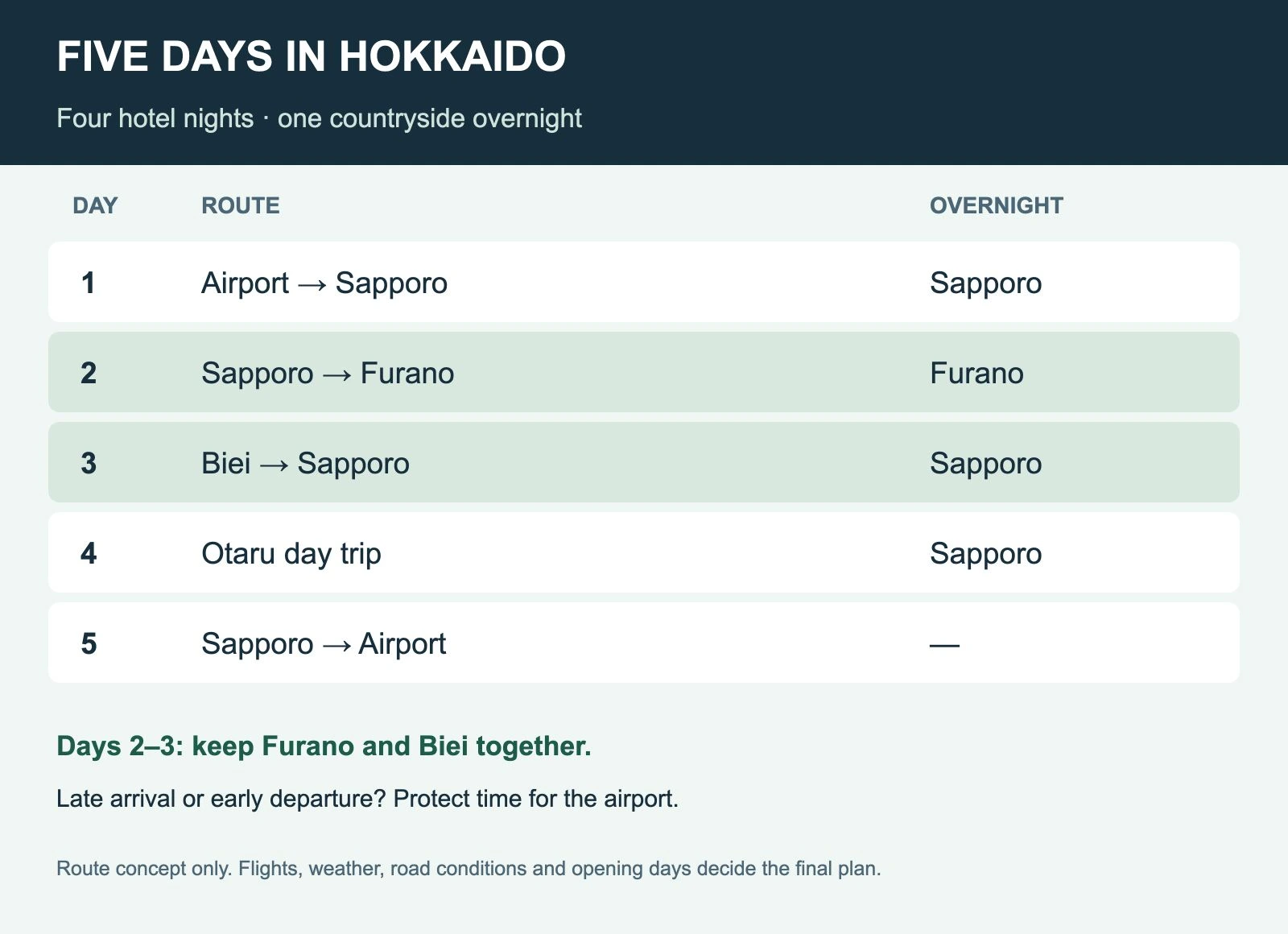
The route keeps eastbound countryside travel separate from the westbound Otaru outing. You are not driving from Furano to Otaru and then rushing to the airport on the last day. Nor does it add Hakodate, eastern Hokkaido or a full ski day to the same five-day schedule. If one of those is your priority, change the route or add nights.
Our three-day Hokkaido itinerary is a different, shorter southwest circuit. The family travel guide focuses on travelling with children, while this page concentrates on the day-by-day four-night arrangement.
Check the flights before booking the countryside hotel
Count the days you actually have in Hokkaido. A flight leaving your home country overnight may arrive in Japan the following morning; the departure date on the first leg is not automatically day one of this itinerary. Use your New Chitose arrival and departure times in Japan local time, including any domestic connection.
If you land in the afternoon or evening, keep day one to check-in, dinner and perhaps a short nearby walk. Do not book a distant restaurant or night-view excursion before allowing for immigration, baggage and hotel access. JR’s fastest airport–Sapporo Special Rapid journey is 33 minutes, but that is train running time, not aircraft-door-to-hotel time.
The final flight is equally important. A morning departure makes day five a transfer day. An evening flight may allow a short city visit, but first calculate when you need to be at the correct terminal. If a major weather warning affects the rural section, discuss reducing it or staying in Sapporo; keeping all four destination names is less important than a workable trip.
Day 1: arrive in Sapporo and keep the evening easy
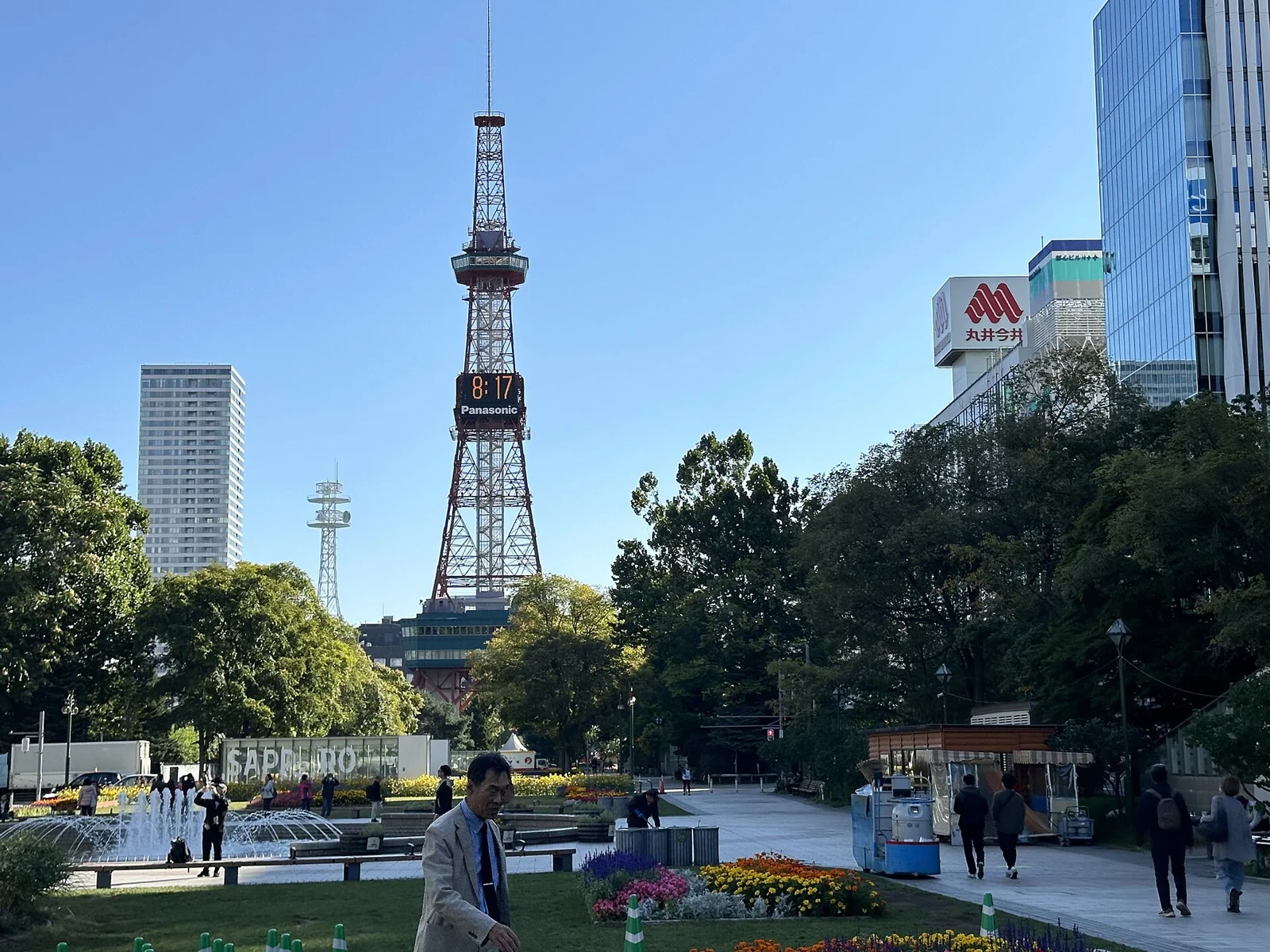
Drop your bags at the hotel, then connect Odori Park, the TV Tower area and the outside of the Clock Tower on a compact walk. Dinner around Sapporo Station, Odori or Susukino can be the main event: soup curry, ramen or seafood is enough for a satisfying first evening. A restaurant you particularly want may require a reservation or a queue, so keep another option nearby.
Choose your hotel by access as well as price. Check the station exit, lift route and distance from the platform with suitcases; “near Sapporo Station” does not necessarily mean the shortest walk to your room. For a private transfer, give the hotel’s full name and entrance rather than only a map pin.
Mount Moiwa can be an optional evening when the weather, operating status and your energy allow. It is a separate outing, not a quick extra between dinner and bed. With a late arrival, children or older relatives, stay close to the hotel. The Sapporo guide offers choices for a longer city stay.

Day 2: Sapporo to Furano, with one countryside overnight
Leave room for the journey
Check out after breakfast and travel towards Furano or Nakafurano with the bags needed for your overnight stay. An indicative 08:30 departure and a late-morning or midday arrival leave space for a break and lunch. For planning, allow roughly three to four hours for the road block including stops and congestion, then revise it for your exact hotels and road conditions. This is an allowance, not a fixed driving time; winter can require longer or a different route.
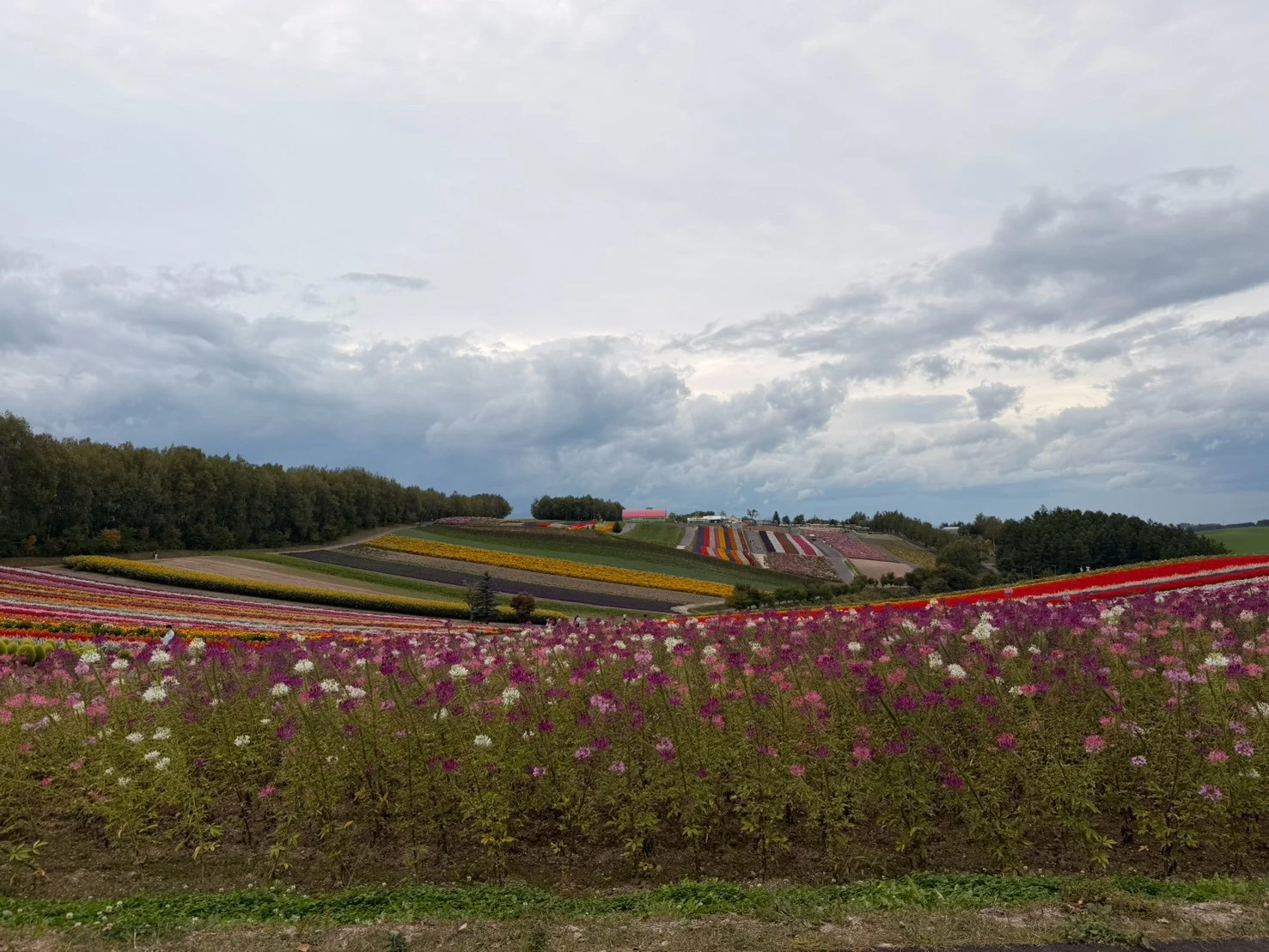
In flower season, make Farm Tomita the main visit, then choose one additional stop rather than collecting every flower field. Nakafurano and Furano town are different places; allow the local journeys between attractions, the hotel and dinner. If Farm Tomita is your priority, confirm the current flower report. Its Irodori Field normally has its best viewing in mid to late July, not throughout the year.
Plan lunch and check-in as real stops
Allow around an hour for a proper lunch, with extra time when a popular restaurant has a queue. Choose a second café or simpler meal before you set out. A cheese-factory visit or a short garden visit may suit another season, but check that the particular facility and activity operate on your date.
Reach the hotel with enough time for its dinner or check-in deadline. Furano Station, the town centre and resort hotels outside town have different last-mile journeys. Book your own accommodation and confirm the full address with your transport planner. Hotel meals and restaurant reservations are separate from a vehicle charter unless your written quote explicitly says otherwise. See the Furano and Biei guide for individual attractions.
Day 3: Biei, the Blue Pond and a measured return to Sapporo
Use the second countryside day for Biei instead of returning to Sapporo on day two and repeating the long journey. Choose two or three main visits, leaving a protected afternoon driving block back to Sapporo. A guide to the shape of the day is below; the order changes with your hotel, season, visibility and traffic.
| Illustrative window | Plan | What to keep flexible |
|---|---|---|
| 08:30–10:00 | Leave Furano; travel towards Biei / Shirogane | Starting hotel and a short rest stop |
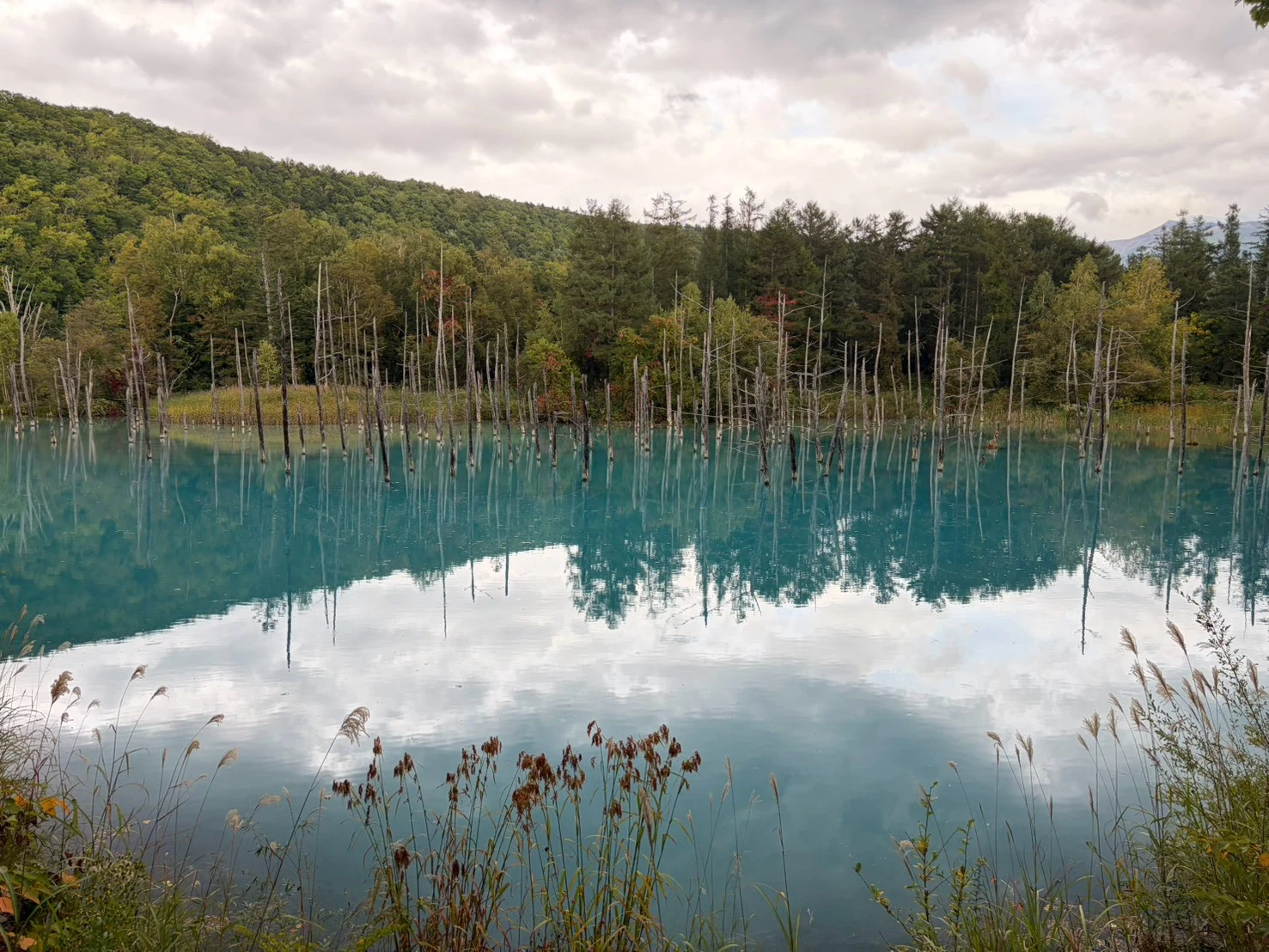
| Morning | Blue Pond and, if conditions suit, Shirahige Falls | Walking ability, icy paths and safe access |
| Around midday | Lunch; one flower-hill or permitted viewpoint stop | Queues, flowering status and weather |
| Early afternoon onwards | Return to Sapporo; check in and rest | Allow several hours and remove an optional stop first |
Shikisai-no-oka is a green-season flower option; it is not the same place as Farm Tomita. The patchwork hills are working farmland. Never enter fields, even when covered by snow, and do not stop where a vehicle blocks traffic. Use designated viewing areas. At the Blue Pond, stay on permitted paths and never walk onto the ice.
The pond does not always look like a summer photograph. Rain, light, freezing and snow can change what you see. In deep winter the surface may be covered; allow for the setting and the season rather than promising open blue water. The Furano–Biei transport and overnight guide explains why the station-to-attraction leg matters.
Back in Sapporo, make dinner near your hotel the default. Avoid a non-refundable evening activity that relies on a precise countryside return time. The last two nights in the city give you a less demanding Otaru day and a clearer airport plan.
Day 4: an Otaru day trip, without another hotel move
Leave the main luggage in your Sapporo room and visit Otaru with a small day bag. For many travellers, JR plus walking is a sensible choice. Allow for reaching the station, the actual train service and the walk from Otaru Station to the canal; a short train ride is only part of the trip.
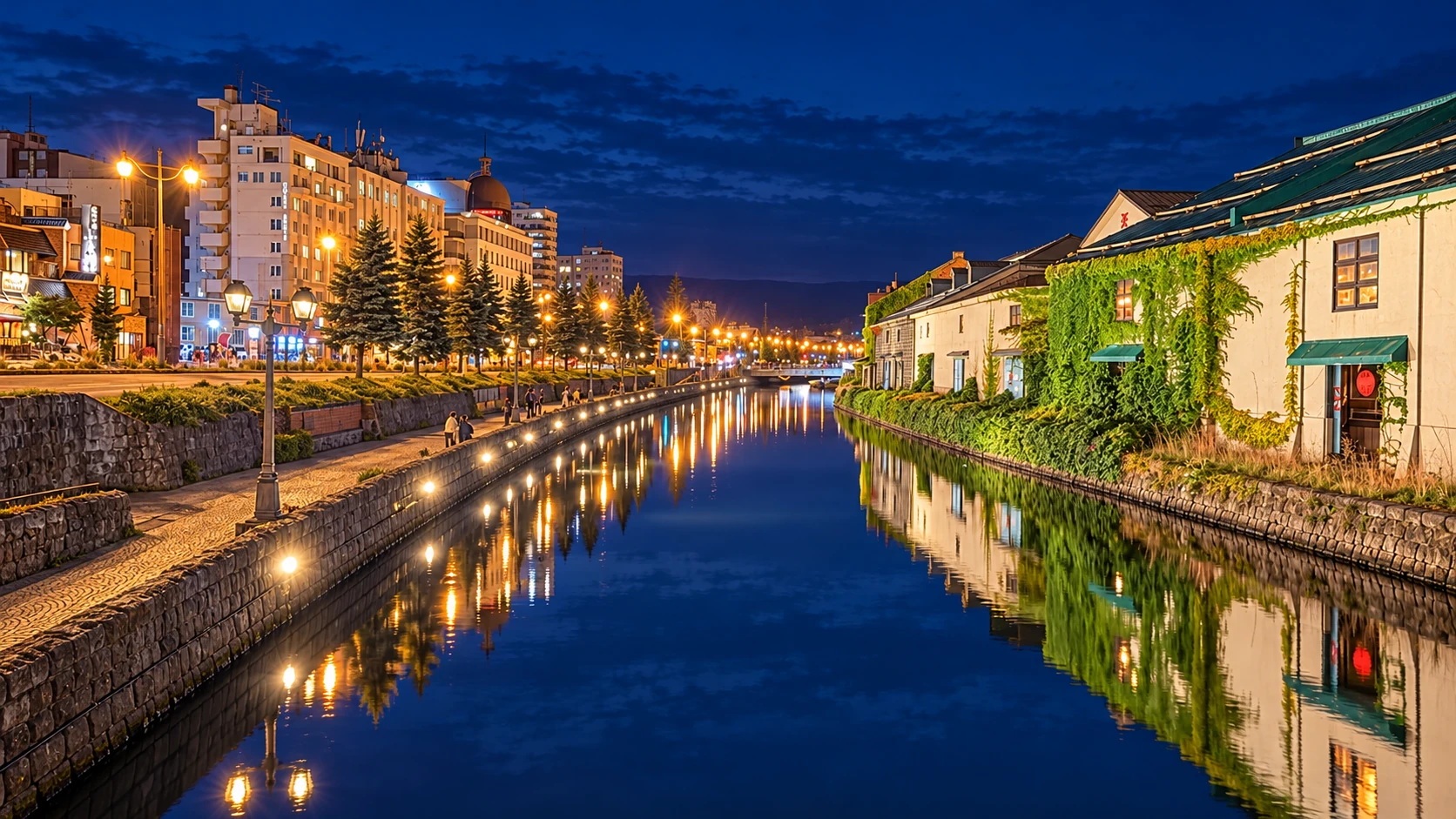
Begin with the canal and historic warehouse area, then choose a compact Sakaimachi walk, a few glass or music-box shops and an unhurried lunch. Shops and restaurants keep different hours. If a particular seafood meal is important, check its last order and queue before committing to a late lunch. You do not need to add the aquarium, a cruise, Tenguyama and Yoichi to make the day worthwhile.
A driver is useful when your group needs shorter walks, an outlying stop or a particular restaurant. If the Nikka Yoichi Distillery is a priority, replace other sightseeing, check the distillery’s official reservation rules and obtain a revised route quote. A guided visit or tasting is not automatically included in a charter. Our Otaru guide has separate day-tour options.
For the canal after dark, plan your return transport and dinner. In winter, favour short outdoor sections and warm indoor breaks. Return to the same Sapporo hotel for night four.
Day 5: work backwards from the airport deadline
Start with the airline’s check-in, bag-drop and security requirements, then add the actual journey to the correct New Chitose terminal. For example, if your plan requires a 15:00 terminal arrival and you allocate two hours for the hotel-to-terminal road journey and contingency, leave the hotel by 13:00. This is arithmetic to explain planning, not a promise that two hours is always enough. Weather, road restrictions, international formalities or a different hotel can require more.
A short nearby breakfast, park walk or final shop may fit before pickup. Do not start a Furano–Biei excursion, a remote onsen visit or a long outlet-shopping detour on the assumption that you can shorten the airport journey later. Take the direct transfer if the margin shrinks.
With JR, choose a suitable Airport train and factor in station lifts and baggage. Not every train serving the corridor continues to Otaru, so check the destination on any earlier rail outing too. The airport–Sapporo transfer guide compares train and private-car choices.
Hotel bases and luggage: three Sapporo nights, one Furano night
Make the split booking explicit
You need one Sapporo night at the beginning and two at the end, separated by the Furano night. Confirm the dates on both Sapporo reservations; do not accidentally reserve four consecutive Sapporo nights and also pay for a Furano room you cannot use. Returning to the same Sapporo property can simplify familiarity, but does not guarantee the same room.
Ask whether the hotel can store your main bags during the intervening night, whether there is a fee and what is excluded. Get its agreement before relying on this. If the bags travel with you, give the driver the number and dimensions of cases, cabin bags, stroller and any ski equipment. Never assume the advertised passenger maximum leaves room for everyone’s large luggage.
Would four nights in Sapporo be easier?
One base saves packing and check-in time. Use a single selective Furano–Biei excursion, a separate Otaru day and a city day, leaving more recovery time. The trade-off is a long rural round trip and fewer countryside stops. Do not turn the saved hotel move into two consecutive long return drives.
For an evening Blue Pond visit, a Shirogane-area overnight may be more suitable than Furano. That changes day two and day three; check hotel dinner, the night road journey and the next day’s start before booking. If you want two countryside nights as well as a relaxed Otaru visit, consider adding a sixth day.
JR, sightseeing bus, self-drive or a private driver?
| Option | Where it works well | What to check |
|---|---|---|
| JR + city transport | Airport–Sapporo, city sightseeing and Otaru | Station access, luggage, tickets and your exact service |
| Regional trains + local buses | Travellers willing to plan fixed countryside connections | Last bus, operating dates and the distance from stops to sights |
| Reserved sightseeing bus | A compact pre-set Furano/Biei outing | Language, meeting point, baggage, stop lengths and seasonal operation |
| Private driver for days 2–3 | A countryside overnight with bags and flexible breaks | Both hotel addresses, daily hours, driver lodging and quote inclusions |
| Self-drive rental | Travellers comfortable with actual road conditions | Parking, winter driving, insurance and return arrangements |
A useful middle option is to use public transport for Sapporo and Otaru and reserve a vehicle only for the two countryside days. You do not automatically need a driver waiting throughout all five days. Conversely, a low train fare does not include a taxi from every rural station or the cost of a missed connection.
The direct Furano Lavender Express is seasonal: JR’s published 2026 page lists June–September operation, subject to the detailed calendar. Do not assume it runs in November or copy those dates to 2027. The Takikawa–Furano section does not accept IC cards; check the correct paper ticket, limited-express ticket or pass for your actual train.
Biei’s official tourism site lists regional sightseeing buses and the city bus towards the Blue Pond and Shirogane. Check the exact day, stop and return connection. A rail pass is not a universal ticket for local buses, taxis or every attraction. Compare the total route cost and the time available at the sights, not just one ticket price. Our self-drive comparison explains the driving decision.
Summer flowers, winter light and the shoulder seasons
Summer: choose the actual flowering period
July is a useful starting point for lavender planning, but fields, varieties and weather differ. Farm Tomita lists mid to late July as Irodori Field’s best viewing period. In June, August or autumn, select what is actually open and in season instead of expecting the same view. Busy summer weekends need extra time for traffic, parking and lunch.
Winter: replace flower assumptions and plan the night visit separately
Short daylight, snowy roads and icy paths call for fewer outdoor stops and more indoor breaks. Farm Tomita’s official winter guide describes a different snow-covered garden and indoor spaces; confirm which facilities are open. A full ski day needs a different allocation of days and equipment arrangements.
The Biei Tourism Association has announced Blue Pond illumination for 22 October 2026 to 21 April 2027. The stated hours are 17:00–21:00 in October–November and 16:30–21:00 in December; later months have different starting times. Weather and snow change the experience, and the programme changes after the pond freezes. If the illumination is essential, arrange the nearby overnight and road plan around it rather than casually adding a late return to Sapporo.
Spring and late autumn: keep an alternative
Snow can remain while some warm-season attractions are still closed, or leaves may already have fallen. Check opening days and current conditions close to travel. If the countryside forecast is poor, exchange days when reservations allow or choose a city-based alternative. Safe roads, an open lunch venue and an enjoyable pace matter more than a checklist.
Budget by travel component, not an unverified five-day package
Keep the vehicle quote separate from the whole holiday budget. Airfares, four hotel nights, meals, attraction tickets, rail or bus tickets and shopping depend on your own choices. A shared vehicle price is per car, whereas a group package or hotel price may be per person. Currency conversion is an estimate, not the amount your card provider will necessarily charge.
| Cost item | How to budget |
|---|---|
| Countryside vehicle | Quote the full Sapporo → Furano hotel → Biei → Sapporo route and both days’ hours |
| Driver accommodation | If needed, the current website lists a starting amount of ¥15,000 per night; confirm the actual amount |
| Guest accommodation | Four nights booked separately; check breakfast, dinner and cancellation conditions |
| Airport / Otaru transport | Add the actual train, bus or transfer bookings; do not assume they are part of a two-day charter |
| Meals, entry and activities | Allow separately unless explicitly included in the written quote |
As checked on 7 November 2026, HokkaVia lists Alphard Furano–Biei day tours from ¥65,000 in April–November and ¥70,000 in December–March, for up to ten hours with Sapporo pickup and return. Those stated conditions do not automatically price this different-hotel overnight route. Do not multiply them into a guaranteed two-day total.
The current conditions include vehicle, professional driver, fuel, expressway tolls and parking for the agreed route; meals, attraction admission and your hotels are separate. Overtime is listed at ¥5,000 per additional thirty minutes. Confirm service hours, positioning, overnight costs, payment schedule and cancellation conditions in your written quotation before booking. See the current price and conditions page.
Travelling with children, older relatives or larger luggage
Choose the longest comfortable walking segment, not only the number of attractions. Biei viewing paths, Otaru streets and station exits can involve slopes, steps or ice. A private vehicle reduces some walking between places but does not make every attraction step-free. Tell us about the help each traveller needs before the route is finalised.
Vehicles with electric side steps can be arranged for travellers concerned about high entry steps, and the driver can offer a hand with boarding and alighting. Confirm the actual vehicle and any specific access needs in advance. For wheelchair access or assistance beyond a helping hand, discuss the specific needs before booking.
Provide each child’s age, height and weight for the appropriate seat, plus suitcase sizes, stroller dimensions and any mobility equipment. Keep medicines, documents, warm layers and one change of clothing accessible during the overnight journey. Plan toilet, lunch and warm-up stops into the day’s service hours. The vehicle and boarding-support guide helps compare capacity.
Ask for a quote for the route you will actually use
Send your Japan travel dates, flight numbers and local arrival/departure times, all hotel names, group size, children’s ages, bag sizes and your priority stops. Tell us whether you want transport for all five days or only the countryside block and selected transfers. Mark any restaurant, illumination or activity that needs an appointment.
HokkaVia’s English-speaking planning team can help shape the route. A driver is not automatically a fluent English-speaking sightseeing guide; ask about any essential language support or separate guiding before booking. Tours and meals, guest hotels and special activities are confirmed separately unless included in your written quotation.
Hokkaido five-day itinerary FAQ
Is five days enough for Sapporo, Furano, Biei and Otaru?
Yes, with a selective route and suitable flights. This example uses five calendar days and four hotel nights, including arrival and departure. A late arrival, early flight or severe weather may mean dropping a stop.
Where should I stay for the four nights?
The main example uses Sapporo on night 1, Furano on night 2, then Sapporo on nights 3 and 4. Four nights in Sapporo with one selective countryside day is a simpler alternative. An evening Blue Pond visit may justify changing the rural hotel to Shirogane.
Do I need a private driver for all five days?
Not necessarily. JR and city transport can work for Sapporo and Otaru, while a vehicle for the two countryside days can help with luggage, short walks and hotel-to-hotel travel. Compare the full route, not a single fare.
Can I see outdoor lavender and snowy scenery on the same itinerary?
They represent different seasons. Flower fields have their own calendars; winter requires different attractions and shorter outdoor visits. Confirm the actual flowering or snow conditions and opening days.
Will the Blue Pond look blue in winter?
Not necessarily. Freeze and snow can cover the water. The winter illumination is a different experience, with the current 2026–27 announcement and starting times linked in the sources. Never walk on the pond’s ice.
Can I add Hakodate, Lake Toya or a full ski day?
Those priorities need a revised itinerary. Do not simply add them to the existing five days. Replace an area, change the airports or add nights, and recalculate every transfer and hotel booking.
Does the quoted vehicle price include our hotels and meals?
Only items explicitly listed in the written quotation are included. The current vehicle conditions exclude guest accommodation, meals and admission; driver accommodation may be an extra agreed cost for overnight travel.
Can you arrange help for children or older travellers?
Tell us the required child seats, walking limits, luggage and boarding needs. Electric-step vehicles and a hand when boarding can be arranged, but the actual vehicle and route suitability must be confirmed.
Is a fluent English-speaking guide included with the driver?
Not automatically. The English-speaking planning team supports arrangements; the driver’s language ability and any separate guide should be confirmed for your reservation.
Official sources & planning checks
Seasonal and transport information was checked against these official sources on 7 November 2026. The daily windows are planning examples, not guaranteed arrival times. Recheck opening days, road conditions, bookings and your airline’s requirements for your actual travel dates.