HOKKAVIA · 25
Best Month to Visit Hokkaido: Choose Your Season & Route
The best month depends on the scene you want and the part of Hokkaido you will visit. July flower fields, late-spring city walks, October foliage and a midwinter ski stay require different routes, hotel bases and packing. Start with one main purpose, then match the dates and travel days to it.
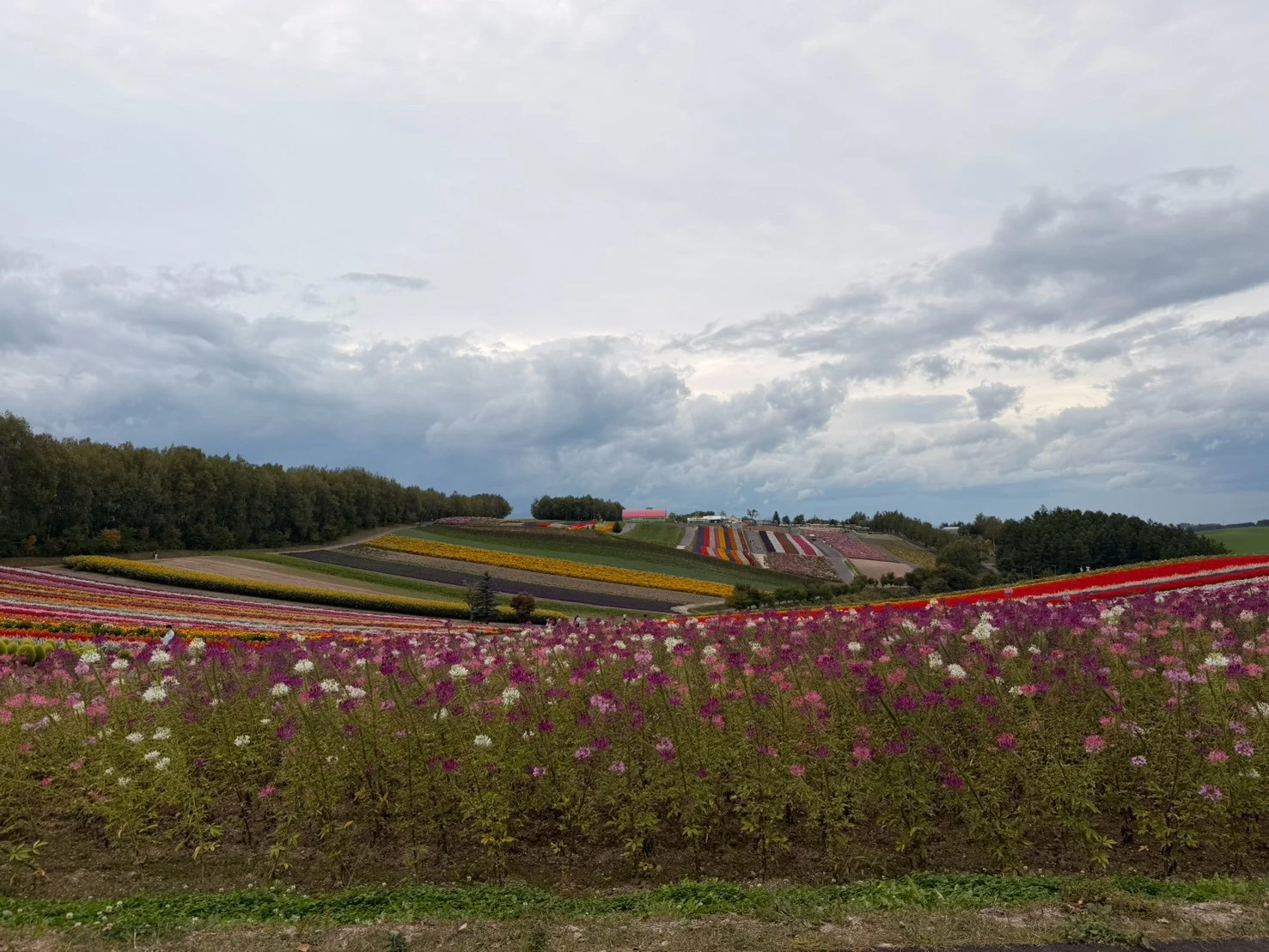
What is the best month to visit Hokkaido for your trip?
There is no single month that delivers every famous Hokkaido scene. Decide whether flowers, city sightseeing, autumn scenery or skiing matters most. Then select a region and the number of nights actually available. A comfortable city holiday and a mountain hiking trip can need different dates even within the same season.
| Main purpose | Useful starting window | Route decision |
|---|---|---|
| City walks and green scenery | June or September, according to conditions | Sapporo and Otaru; add one nearby onsen area |
| Sapporo cherry blossoms | Usually late April–early May | Keep the flower day flexible using current reports |
| Lavender and mixed flower fields | July, with field-specific timing | Furano / Nakafurano and Biei; consider two local nights |
| Autumn colours and onsen | Match elevation and location, rather than one island-wide date | Choose a local colour report; Sapporo and mountain areas differ |
| Skiing and snowy resort scenery | January–February as a planning shortlist; verify resort operation | Choose the exact resort, lessons and full ski days first |
These are starting choices, not guaranteed conditions. If your dates are fixed, design a good trip for that month instead of trying to reproduce photographs from another season. A small western-Hokkaido route can suit a first visit; eastern wildlife, islands or a southern-city trip require their own geography and transport plan.
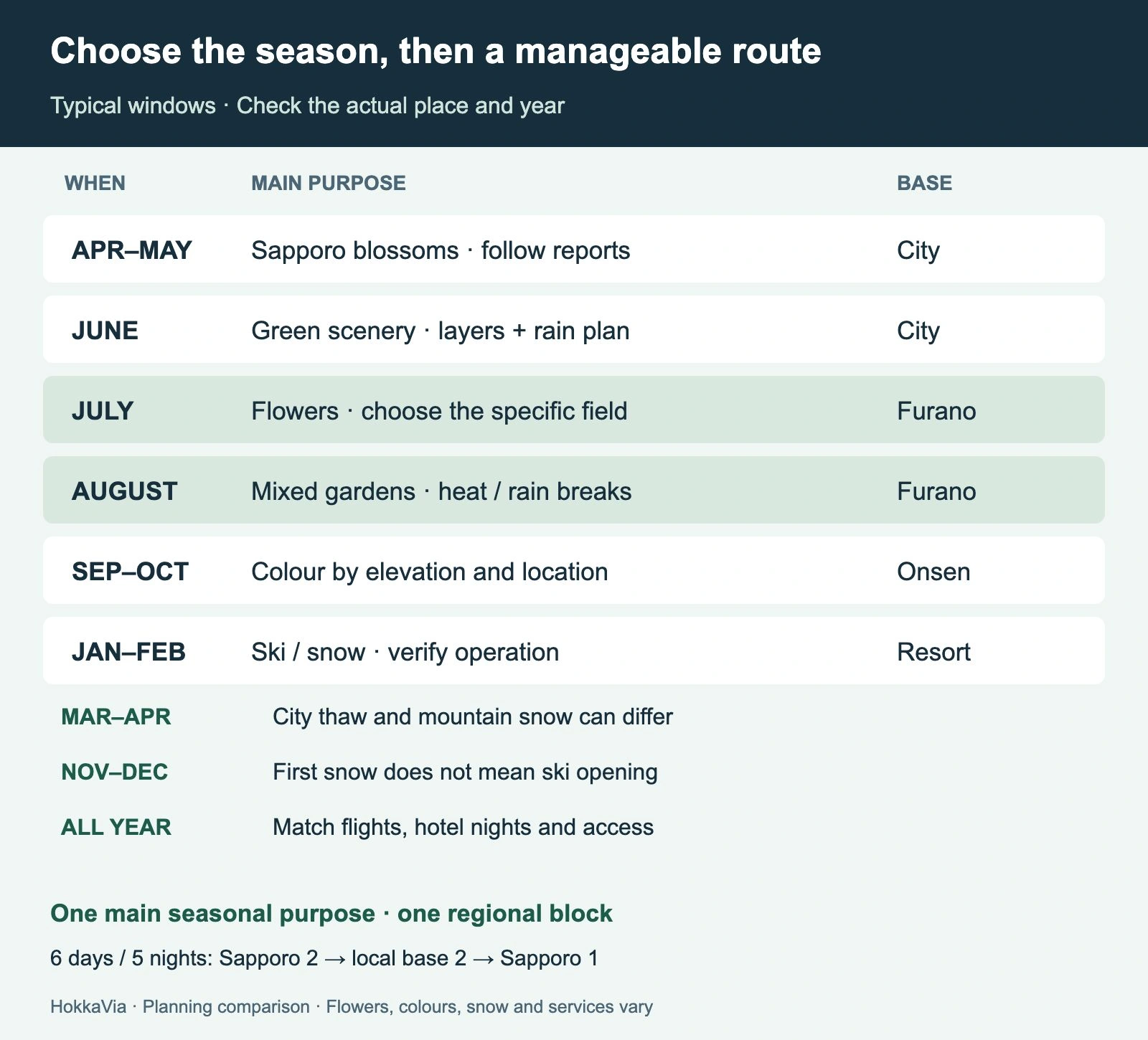
Hokkaido month by month: scenes, weather context and trade-offs
The temperature column is Sapporo’s monthly mean from JMA’s 1991–2020 climate normals. It includes day and night and is neither an average daytime high nor the temperature to expect throughout Hokkaido. Use it to compare seasons, then check the actual destination and forecast.
| Month | Sapporo mean °C | Possible focus | Planning check |
|---|---|---|---|
| January | −3.2 | Ski stay, city snow and onsen | Cold, short daylight and actual transport operation |
| February | −2.7 | Skiing or a date-specific snow festival | Festival dates, rooms and crowds |
| March | 1.1 | Operating ski areas and city / onsen rest | Thaw, wet footwear and activity closing dates |
| April | 7.3 | City food and culture; later blossom possibilities | Remaining mountain snow, maintenance and actual bloom |
| May | 13.0 | Late spring flowers and city walking | Local bloom, Golden Week demand and chilly evenings |
| June | 17.0 | Green hills, city walks and selected gardens | Rain layer; do not assume July lavender scenes |
| July | 21.1 | Furano / Biei flowers | Field report, busy roads and warm-day breaks |
| August | 22.3 | Mixed gardens and summer scenery | Heat, rain and actual flowers after lavender harvest |
| September | 18.6 | City / onsen travel and suitable outdoor visits | Mountain colour may differ from city; rain and layers |
| October | 12.1 | Lower-elevation autumn visits | Current local colours, early snow higher up and closures |
| November | 5.2 | Food, museums and a quiet onsen stay | Transition operation; first snow does not confirm ski opening |
| December | −0.9 | City winter scenes and confirmed resort activities | Early-season snow, holiday demand and exact opening |
Coastal, inland and higher-ground conditions differ. A monthly mean also hides hot spells, cold spells, rain and wind. Do not pack for a regional average alone, or treat a historical snow photograph as evidence that a particular street or slope will be white on your date.
Read the weather by region, elevation and activity
Sapporo is a useful starting point for a city route, but it does not describe every lake, coast or mountain. An inland overnight, a high viewpoint and a city shopping afternoon may need different layers on the same day. Plan the actual walking, exposed waiting and last-mile connection, not just time inside a heated car.
Summer needs rain and heat preparation too
A June trip is often chosen for green scenery, but “no rainy season like much of Honshu” should never be read as “no rain”. Carry a rain layer, allow an indoor choice and check warnings. Sapporo can exceed 30°C in summer; shade, water and a proper lunch matter for children and older travellers even when the long-term monthly mean looks mild.
Winter and mountain visits need their own decision
Snow, ice, wind and short daylight can reduce the comfortable touring day. A ropeway viewpoint and a mountain walk are different activities; access, clothing, ability and weather must be assessed separately. A professional driver cannot bypass a closure or guarantee rail, road or flight operations. Keep an optional stop and avoid long-distance touring on a tight airport connection.
April–May: late blossoms, city walks and a flexible flower day
For Sapporo cherry blossoms, the city’s official tourism information gives the usual window as late April to early May. It is later than the familiar Tokyo spring calendar, and the actual year can vary. Early April is not a dependable Sapporo cherry-blossom booking. Use the local report and keep one nearby day flexible.
A Sapporo base can combine a suitable park or shrine visit, a meal and a compact city afternoon. Visit Otaru on another day rather than moving all the luggage. If blossom conditions are poor, city culture, food and an onsen stay can still form the trip’s purpose. Do not add Matsumae, eastern flower parks and every Sapporo park as though they were one neighbourhood.
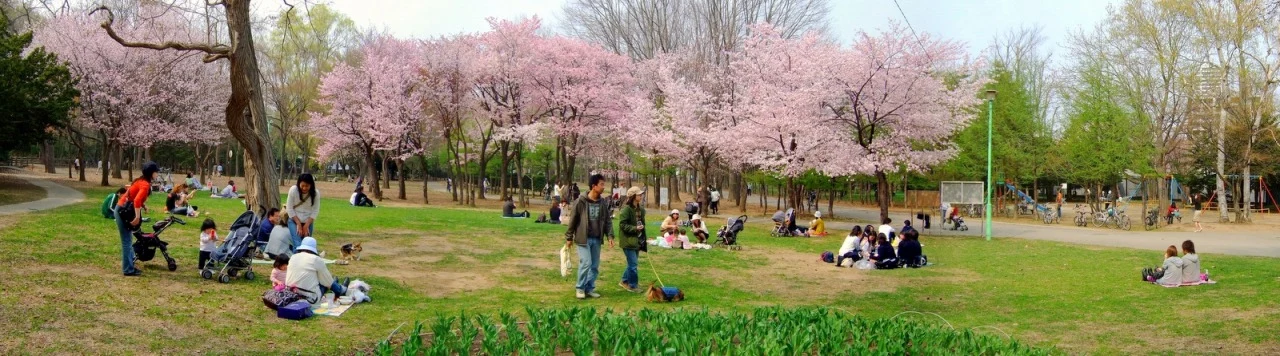

Golden Week can overlap the usual flower period. Compare the real hotel and transport dates rather than assuming all spring is quiet. April and early May may also involve snowmelt or maintenance at higher ground; confirm access before paying for a mountain-focused stay. A lighter city coat may be insufficient for an exposed viewpoint or a cold evening.
June–August: choose the flower field before fixing the flower date
June: green scenery without a July promise
June can suit city walks and a countryside route with currently flowering gardens. Check the specific garden’s report before selecting a lavender stop. The first half of June should not be sold as the identical purple field shown in a July photograph.
July: different fields have different peaks
Farm Tomita lists its Traditional Lavender Field as usually flowering from late June to late July, with best viewing in early to mid-July. Its Irodori Field usually flowers during July, with best viewing in mid to late July. These are different calendars. Farm Tomita is in Nakafurano; the hero photograph on this page shows Shikisai-no-oka in Biei, a separate property.
August: plan for the flowers actually remaining
Mixed gardens and summer countryside can still be worthwhile, but July lavender may have been harvested. Do not promise the same flower bands all summer. Hot or rainy days need rest and a shorter alternative. Popular flower areas can have queues, so choose two main priorities per full countryside day.
Two nights in Furano provide one full day without checking out. A town hotel, Nakafurano property and resort-area hotel have different dinner and transport options. Use our six-day summer itinerary and Furano–Biei guide to choose a focused route.
September–October: follow the local colour report
Autumn is a moving sequence, not one date shared by the island. Higher ground and city parks can change at different times. Sapporo’s official guide describes city colours as often best in mid to late October; that is not a promise of mountain peak colour on the same dates. Check a report for the actual park, valley or elevation.
For a manageable western route, use Sapporo and Otaru with a Jozankei outing or onsen stay. Give the valley walk, lunch and access time their own space. The photograph below shows the bridge and valley from an earlier year; it does not establish this year’s peak.
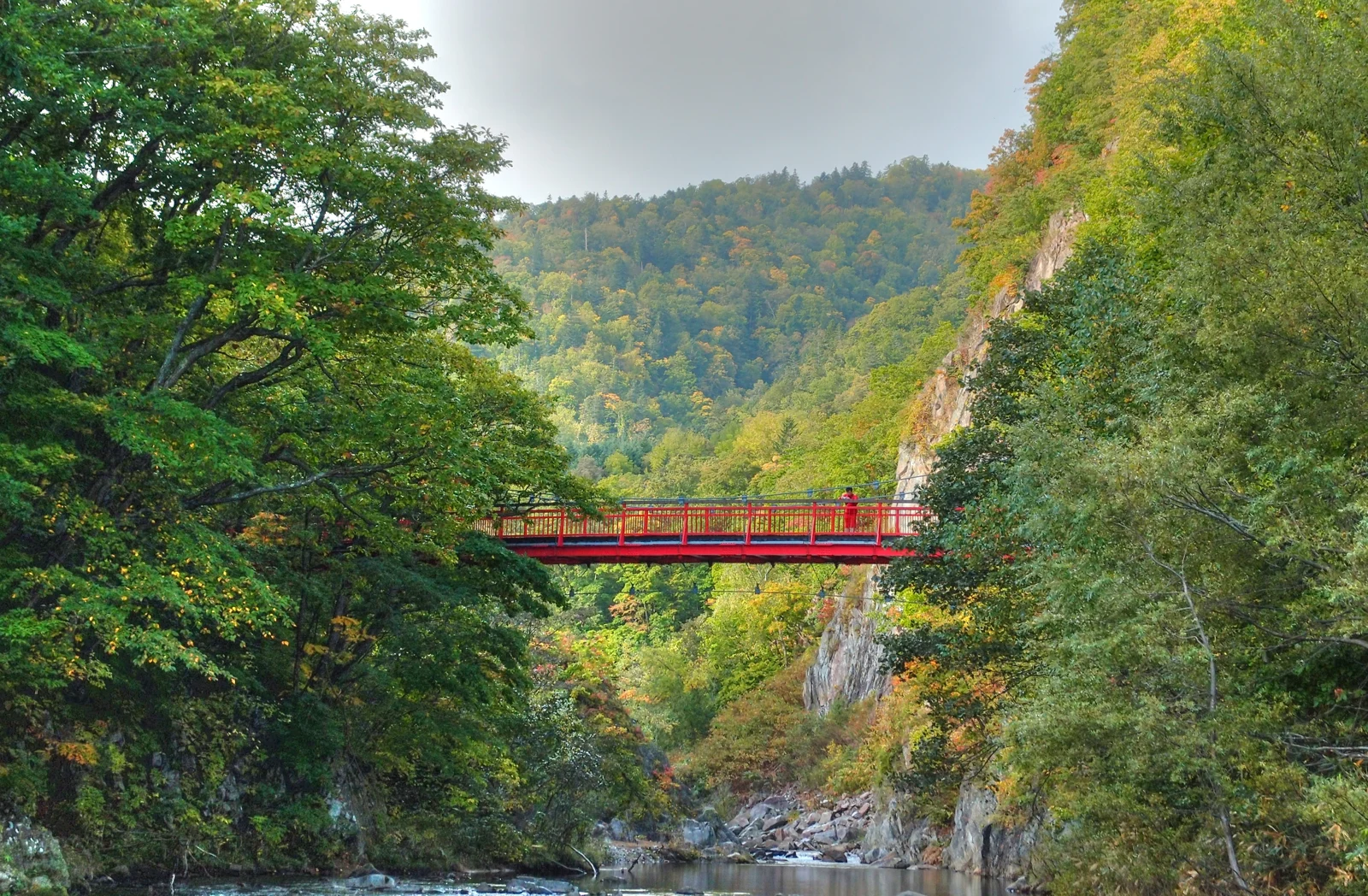

A high ropeway or mountain trail requires current operation and weather checks even if a city afternoon feels comfortable. Add warm and rain layers. Seasonal road closures can make a summer scenic route unusable later in autumn; do not copy a summer map into a late-season transfer.
September may suit a green city-and-onsen trip even before the local autumn peak. If red leaves are essential, choose the location from that week’s report instead of extending a long drive simply to chase colour.
December–March: distinguish first snow from an operating ski holiday
A first snowfall in the city does not confirm ski terrain or a snow activity. Pick the resort area, lesson language, meeting point and rental arrangements, then verify operation. January and February are useful months to shortlist for a snow-focused stay, but weather and services still vary.
As an area-specific example, Annupuri currently plans 28 November 2026–5 May 2027 tentatively, with possible opening delays according to snow and weather. This is not the shared timetable of all Niseko resorts. March may offer operating ski areas while city streets thaw, so bring appropriate footwear and check each activity’s end date.
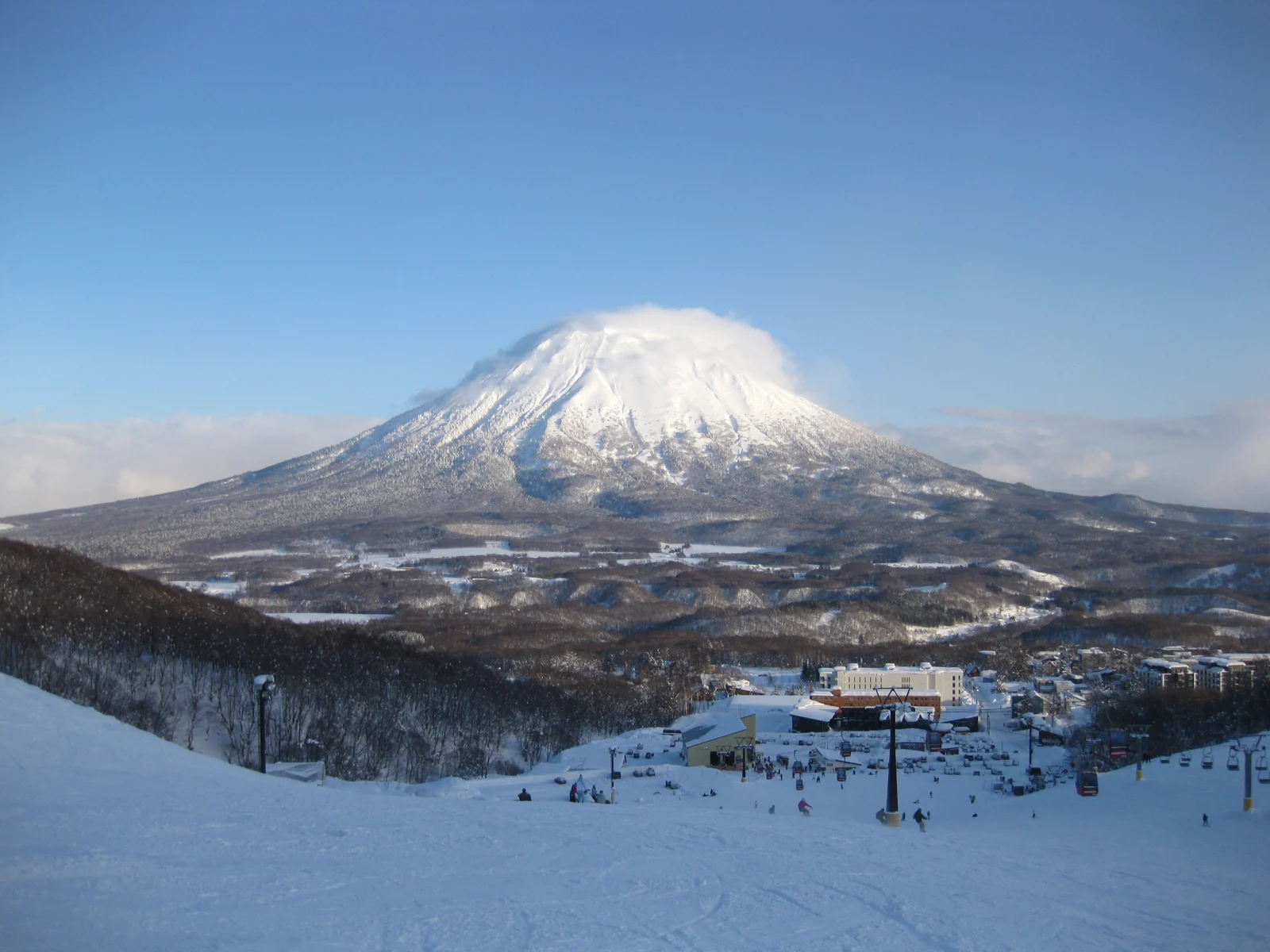

The Sapporo Snow Festival is scheduled for 4–11 February 2027. It is a date-specific trip choice, not an attraction on every winter holiday. If you want snow and onsen without the festival, compare other actual dates; no single post-festival week is guaranteed cheaper.
Two Niseko nights in a six-day route give one full resort day after the transfer and before checkout. Add a third resort night for two full ski days. See the winter Sapporo–Otaru–Niseko itinerary. Non-skiers can choose a city base and independently confirmed nearby snow activities instead.
April and November: judge the trip by what is open
Transition months can work well for food, museums, city time and an onsen stay. They are less suitable when the entire trip depends on an unconfirmed flower field or ski opening. Snowmelt, closed seasonal roads, maintenance and limited rural transport can affect the options. A lower room price is useful only if the trip still serves its purpose.
Before booking, ask the actual hotel about meals and facilities, the attraction about operating dates, and the transport provider about the whole connection. Some facilities take maintenance breaks outside busy periods. Do not label an entire month as impossible, or promise that every shop and attraction is open because the city itself welcomes visitors.
If dates cannot change, select two or three reliable priorities, a nearby indoor option and one comfortable base. A shorter city-and-onsen route can be a better choice than a long journey through countryside whose main seasonal attraction has finished.
Turn your chosen season into realistic days and nights
Four days / three nights: a compact city base
Use day 1 for arrival, day 2 for Otaru, day 3 for Sapporo or a confirmed nearby seasonal outing, and day 4 for departure. Three Sapporo nights reduce luggage moves. A far eastern attraction, a full ski stay and every flower field cannot all fit within this short break.
Six days / five nights: add a seasonal base
Use Sapporo 2 nights → a chosen local base 2 nights → Sapporo 1 night. In summer the middle base might be Furano; for a ski-led winter it can be the actual Niseko resort hotel. Day 3 is the move, day 4 a complete local day, day 5 the return and day 6 the flight. Count arrival and departure within the six calendar days.
Choose one main countryside region. An onsen or city version may need fewer hotel moves. For more time, compare our seven-day and ten-day itineraries. Hakodate, eastern Hokkaido or offshore islands can justify a different airport and their own block of nights.
Write actual check-in and checkout dates beside every room. A long-haul overnight flight is not a Hokkaido hotel night or an extra full touring day. Return towards the departure airport before the final day where appropriate; verify the airline and connection requirements rather than relying on a map estimate.
Choose transport and packing for the actual season and group
Rail often suits airport, Sapporo and Otaru travel. Rural gardens, resort hotels and onsen entrances require last-mile planning; a station is not automatically an attraction entrance. Seasonal coaches and trains need their own operating-year, reservation and baggage checks. The JR seasonal page currently describes 2026, so future-year operation must be reconfirmed.
| Travel method | Useful situation | Confirm |
|---|---|---|
| Rail / city transport | City bases and selected airport / Otaru trips | Bags, walking from stations and return connection |
| Fixed day tour | A clear seasonal route on your actual date | Meeting time, stops, age, luggage and terms |
| Rental car | A qualified, prepared driver | Documents, rental conditions, seasonal roads and fatigue |
| Private driver | Selected rural touring days and hotel moves | Actual route, hours, vehicle/bag fit, overnight arrangements |
Send the number and dimensions of suitcases, stroller, ski bags and folding walking aid. Children’s age, height and weight help confirm suitable seats. Ask the hotel about storage between stays; do not assume the driver holds bags overnight. A family’s comfortable walking limit matters as much as the number of sights.
Electric-step vehicles can be arranged for guests concerned about high boarding steps, and the driver can offer a hand when boarding and alighting. Confirm the actual vehicle in advance. Wheelchair lifts, medical care and accessibility at the destination require separate confirmation.
Pack layers, rain protection and footwear for the actual activity. Plan shade and water in summer, warm indoor breaks and dry clothing in winter. Share allergies and food requirements before rural days; seafood or vegetarian wording does not confirm stock, cooking alcohol or preparation. Arrange any halal meals or prayer breaks around real facilities.
When is Hokkaido cheaper? Compare the actual dates and inclusions
Room and flight prices depend on the exact date, location, events and booking conditions. Golden Week, summer holidays, year-end and a major festival can affect demand; an autumn weekend or resort peak can differ from a nearby city weekday. Compare equivalent rooms and cancellation terms instead of assuming one whole month is always cheapest.
Keep transport, five guest hotel nights where applicable, meals, admission, activities, lessons and rental equipment separate. HokkaVia currently lists Alphard Biei–Furano / Niseko / Lake Toya–Noboribetsu return day tours from ¥65,000 in April–November and ¥70,000 in December–March, per vehicle, up to 10 hours, Sapporo pickup and return. These are starting day-tour rates, not a multi-night package total.
Current information includes fuel, expressway tolls and parking for the agreed route. Guest rooms, meals and admission are separate. Listed overtime is ¥5,000 per additional 30 minutes; driver accommodation, when required, starts from ¥15,000 per night depending on the area. Your guest room does not supply the driver’s room.
Selected city days may not need a private vehicle. Request a total for the actual service days and route, including waiting or overnight arrangements. Confirm payment, cancellation and weather changes in the written conditions. See the current price and service information.
Request a written quote for your season and route
Send your travel-year and date range, flights, local hotel nights or preferred bases, adult/child numbers, bag sizes, seat and boarding needs, walking limits and food requirements. Name one or two essential seasonal experiences and the days you want a driver. If dates are flexible, say whether the priority is flowers, cooler city walks, autumn colour, skiing or a quieter onsen stay.
HokkaVia is operated by LankaMe Japan Co., Ltd. Vehicle operations are carried out by transport operators holding the permits required under Japanese law. Confirm the actual vehicle, dates, hours, inclusions and written booking conditions before deciding.
Frequently asked questions
What is the best month for a first Hokkaido trip?
It depends on your priority. June or September can be useful starting choices for a city-and-green-scenery route. July suits particular flower fields; skiing and autumn colours need their own place/date decisions.
When do Sapporo cherry blossoms usually bloom?
The official city guide gives late April to early May as the typical window. Confirm the actual year and park. Early April or a Tokyo blossom calendar is not a reliable Sapporo booking guide.
Can I see the same lavender fields in June and August?
Do not assume so. Different fields have different calendars and lavender may be harvested after its peak. Check the individual field report and choose the flowers actually blooming.
Is October best for autumn leaves everywhere?
No. Elevation and region matter. Sapporo city colours and mountain colours may peak at different times; use a report for the place you intend to visit.
Is Hokkaido rain-free and always cool in summer?
No. Prepare for rain and hot days as well as cooler evenings. Historical monthly means are not a forecast, and Sapporo can exceed 30°C.
Are April and November bad months to visit?
They can suit food, culture, city time and an onsen stay. Check maintenance, seasonal roads and rural transport. They are poor choices only if the main unconfirmed seasonal activity is essential to your trip.
Does first snow mean ski resorts are open?
No. Confirm the actual resort, terrain and activity. Planned opening dates can change with snow and weather, and different areas have different seasons.
Which month is cheapest?
There is no guaranteed cheapest month for every town, hotel and activity. Compare exact dates, local events, room type and booking conditions, as well as the transport and experiences you need.
How many days and private-car days should I book?
Count local arrival and departure within the days and list every hotel night. Four days can suit a city base; six days and five nights can add one two-night regional block. Rail may suit city days, with a driver only for selected transfers or rural days.
Sources and planning notes
Official climate, destination, operator and HokkaVia information checked on 13 November 2026. Sapporo monthly means use JMA 1991–2020 normals, not a travel-date forecast or a whole-island temperature. Bloom, colour, snow and operation vary; confirm the actual year and place.
- JMA — 1991–2020 climate normals
- Sapporo Tourism — Seasonal scenery
- JNTO — Hokkaido seasons
- Farm Tomita — Traditional Lavender Field
- Farm Tomita — Irodori Field
- Annupuri — Tentative 2026–27 season
- Sapporo Snow Festival — 2027 dates
- JR Hokkaido — Seasonal train operating year
- Niseko Town — Seasonal road closures
- HokkaVia — Prices and service conditions